The term Capitalocene, advanced by Jason W. Moore and others, critiques the Anthropocene for obscuring capitalism’s central role in planetary crisis. It situates ecological breakdown not in “humanity as such” but in the historical regime of capital accumulation, colonial extraction, and cheapening of life. The Capitalocene reframes climate change as inseparable from political economy and systemic exploitation. For landscape and urban studies, it emphasizes how environments are produced through capitalist value regimes. The concept demands structural critique rather than generalized human guilt.
Landscape architecture operates through territorial displacement but rarely narrates it. Sense of place must also include the geographies embedded in supply chains. Otherwise it becomes aesthetic traditionalism, concealing its material contradictions as the ecological crisis unfolds.
This article critiques how industrial “clock-time” and efficiency-driven planning structure urban life. It examines the shift from spatial mapping to “chrono-urbanism,” using isochrones and rhythmic analysis to reveal how transport and institutional schedules distribute time and access unequally.
I returned to the High Line more than a decade after its completion to see how it had evolved. During my previous visit, Section Three was still under construction and closed to the public. The first two sections remain heavily visited, meticulously maintained, and perceptually closed; returning to them offered no new readings, aside from […]
In the article, we outline several contemporary epochal currents which, in a kind of singularity of collapse, may converge in what has been termed the Homogenocene, “a label for the modern world, characterized by unprecedented, and accelerating, flows of people, pests, crops, and forms of political domination”, as Charles Mann describes it, tracing its origins to 1493.
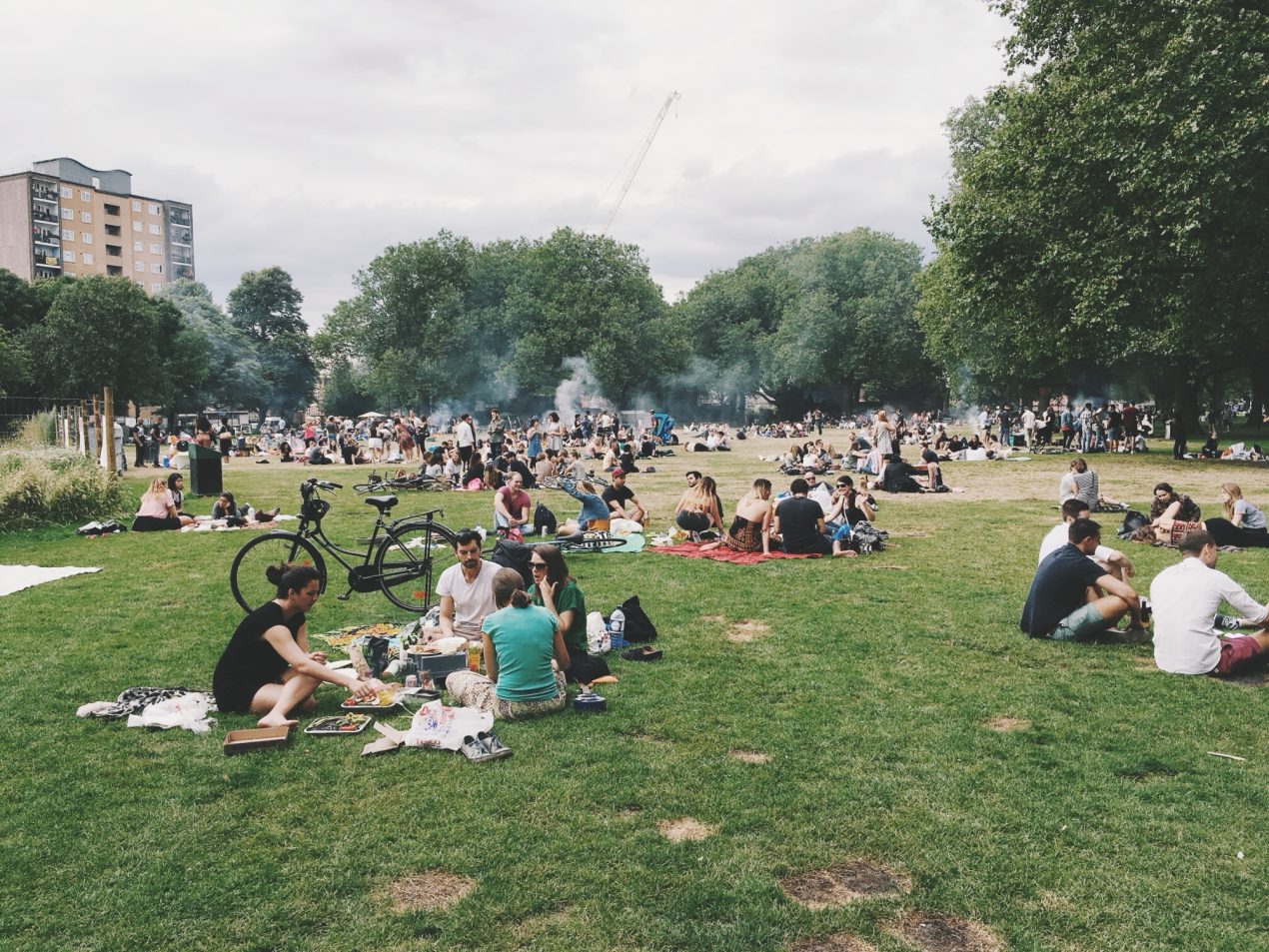
Landscape architecture should engage intensively with conviviality—it has the capacity to unify many issues in current theoretical debates and connect the discipline to the global network of the conviviality movement.
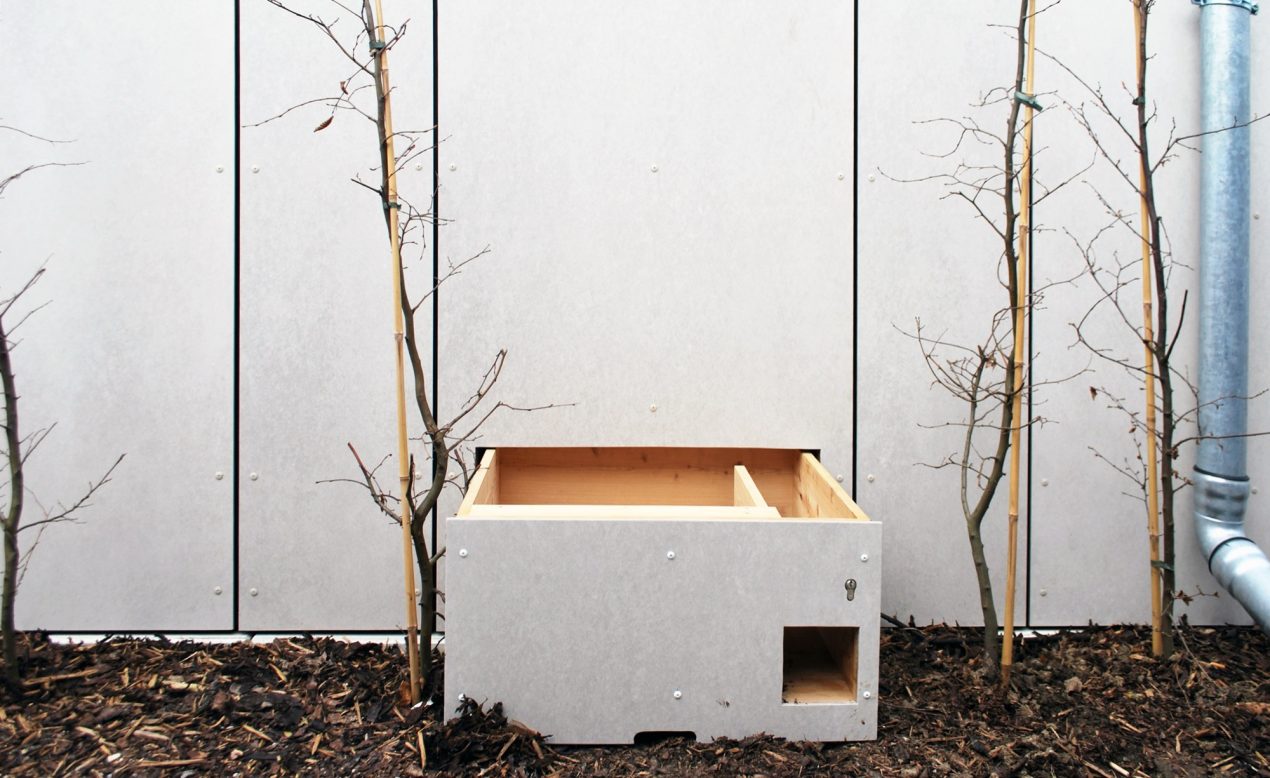
Scientific research into animal behaviour still rests on many deeply ingrained assumptions about what is deemed to be “natural” human behaviour. For example, men—males—are assumed by nature to be more dominant and aggressive than women—females. And if men are violent, then the violent behaviour of other male animals in the wild can supposedly be explained […]
How do we represent territories whose histories, economies, and ecologies have been shaped by centuries of extraction, yet are still often perceived as peripheral or empty? 1. Introduction In his book Norrland, journalist Po Tidholm opens with a poem that captures a long-standing reality: northern Sweden has long been a site of resource extraction— iron […]
HPO is an art and event-architecture group from Ferrara. Their work has been, among other venues, presented at Milan Design Week and 18. Venice Biennale.
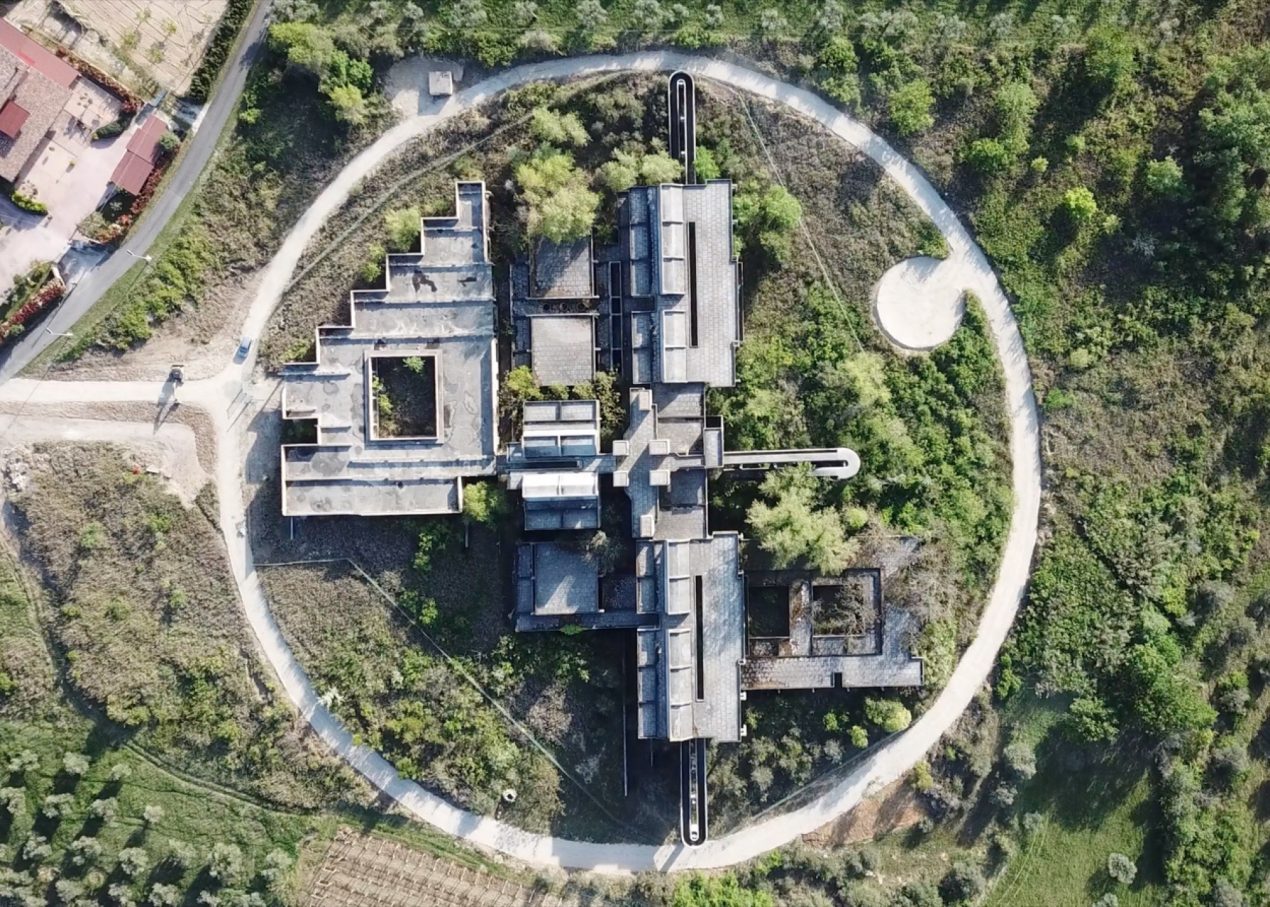
In the interview, we discuss the marginal position, DIY, incomplete architecture and the importance of play.
Tim Waterman is Professor of Landscape Theory and Inter-Programme Collaboration Director at the Bartlett School of Architecture, UCL. He is Chair of the Landscape Research Group (LRG), a Non-Executive Director of the digital arts collective Furtherfield, and an advisor to the Centre for Landscape Democracy at the Norwegian University of Life Sciences. He is also […]
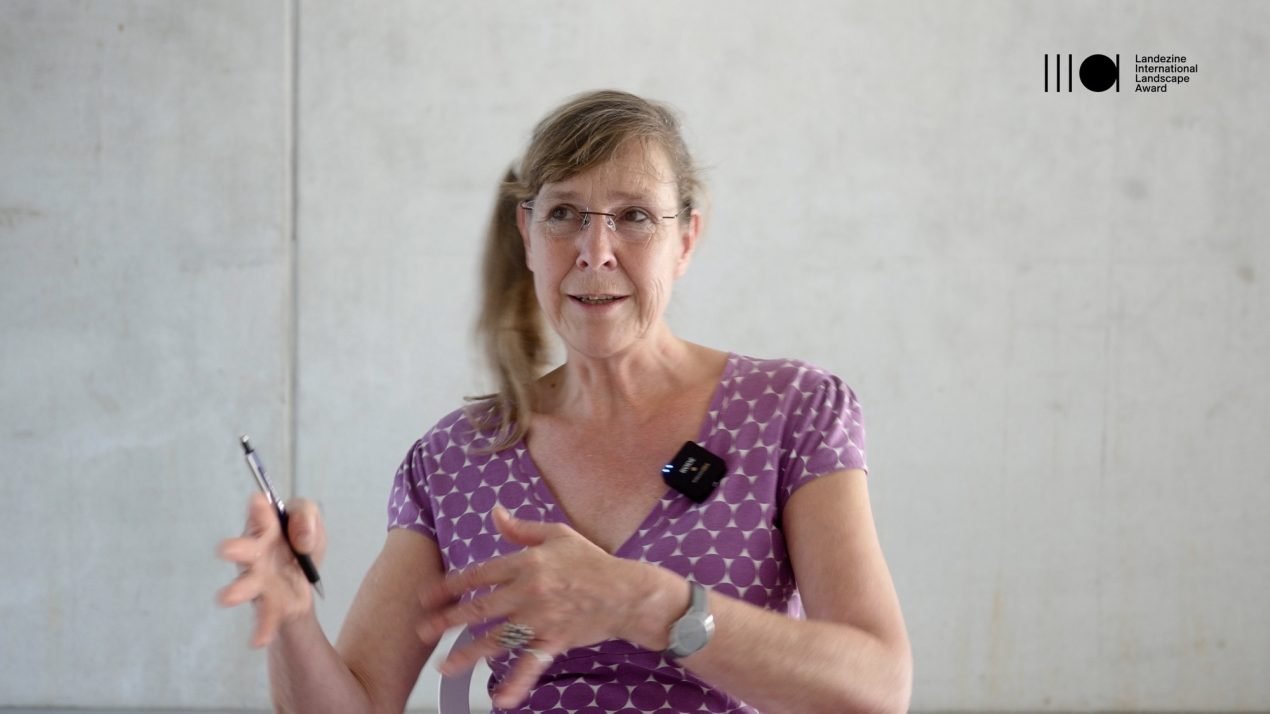
In this interview, Zaš Brezar talks to Prof. Dr. Lisa Diedrich, the winner of LILA 2023 Honour Award. She speaks about her professional development throughout the years and specifically about being a ‘straddler’ between professional practice and academia. She references several books and projects that inspire her as a landscape architect, architect, journalist and especially […]
Urban biodiversity? Yes, please! Nevertheless … … Due to the transitional phase of our understanding of nature in the light of the Anthropocene, there are still some important notions, contradictions and misunderstandings that need to be addressed. To do so, we will operate with terms like nature, ecology, biodiversity, landscape, and aesthetics, and we’ll focus […]
To provide the best experiences, we use technologies like cookies to store and/or access device information. Consenting to these technologies will allow us to process data such as browsing behavior or unique IDs on this site. Not consenting or withdrawing consent, may adversely affect certain features and functions.
Functional
Always active
The technical storage or access is strictly necessary for the legitimate purpose of enabling the use of a specific service explicitly requested by the subscriber or user, or for the sole purpose of carrying out the transmission of a communication over an electronic communications network.
Preferences
The technical storage or access is necessary for the legitimate purpose of storing preferences that are not requested by the subscriber or user.
Statistics
The technical storage or access that is used exclusively for statistical purposes.The technical storage or access that is used exclusively for anonymous statistical purposes. Without a subpoena, voluntary compliance on the part of your Internet Service Provider, or additional records from a third party, information stored or retrieved for this purpose alone cannot usually be used to identify you.
Marketing
The technical storage or access is required to create user profiles to send advertising, or to track the user on a website or across several websites for similar marketing purposes.
To provide the best experiences, we use technologies like cookies to store and/or access device information. Consenting to these technologies will allow us to process data such as browsing behavior or unique IDs on this site. Not consenting or withdrawing consent, may adversely affect certain features and functions.
Functional
Always active
The technical storage or access is strictly necessary for the legitimate purpose of enabling the use of a specific service explicitly requested by the subscriber or user, or for the sole purpose of carrying out the transmission of a communication over an electronic communications network.
Preferences
The technical storage or access is necessary for the legitimate purpose of storing preferences that are not requested by the subscriber or user.
Statistics
The technical storage or access that is used exclusively for statistical purposes.The technical storage or access that is used exclusively for anonymous statistical purposes. Without a subpoena, voluntary compliance on the part of your Internet Service Provider, or additional records from a third party, information stored or retrieved for this purpose alone cannot usually be used to identify you.
Marketing
The technical storage or access is required to create user profiles to send advertising, or to track the user on a website or across several websites for similar marketing purposes.