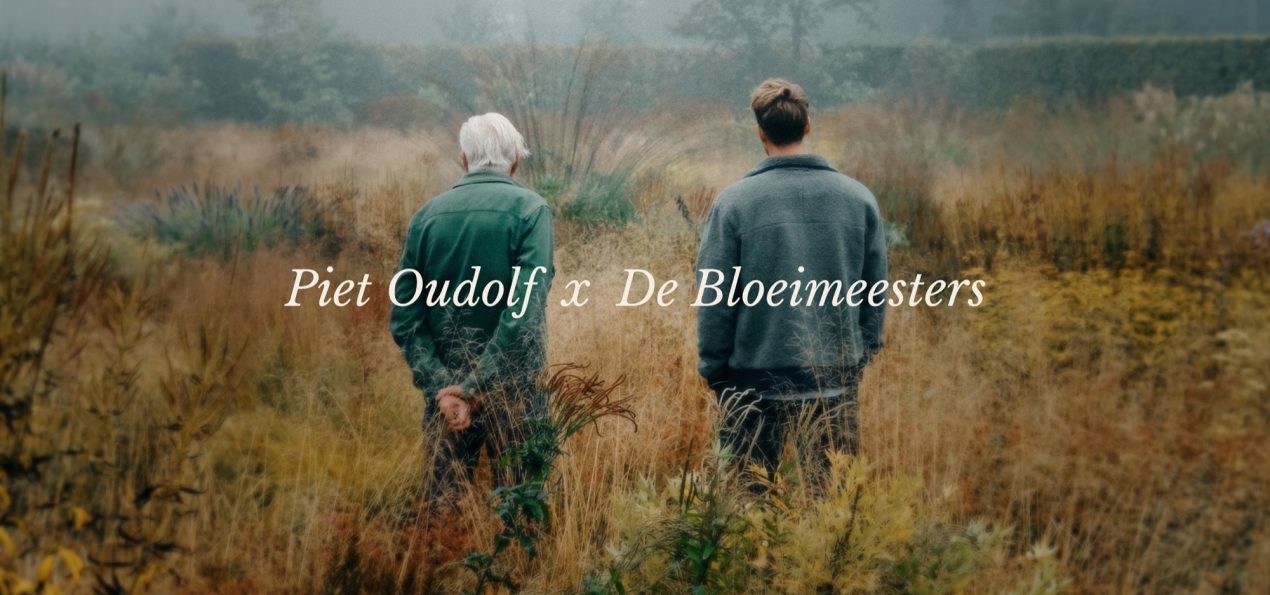
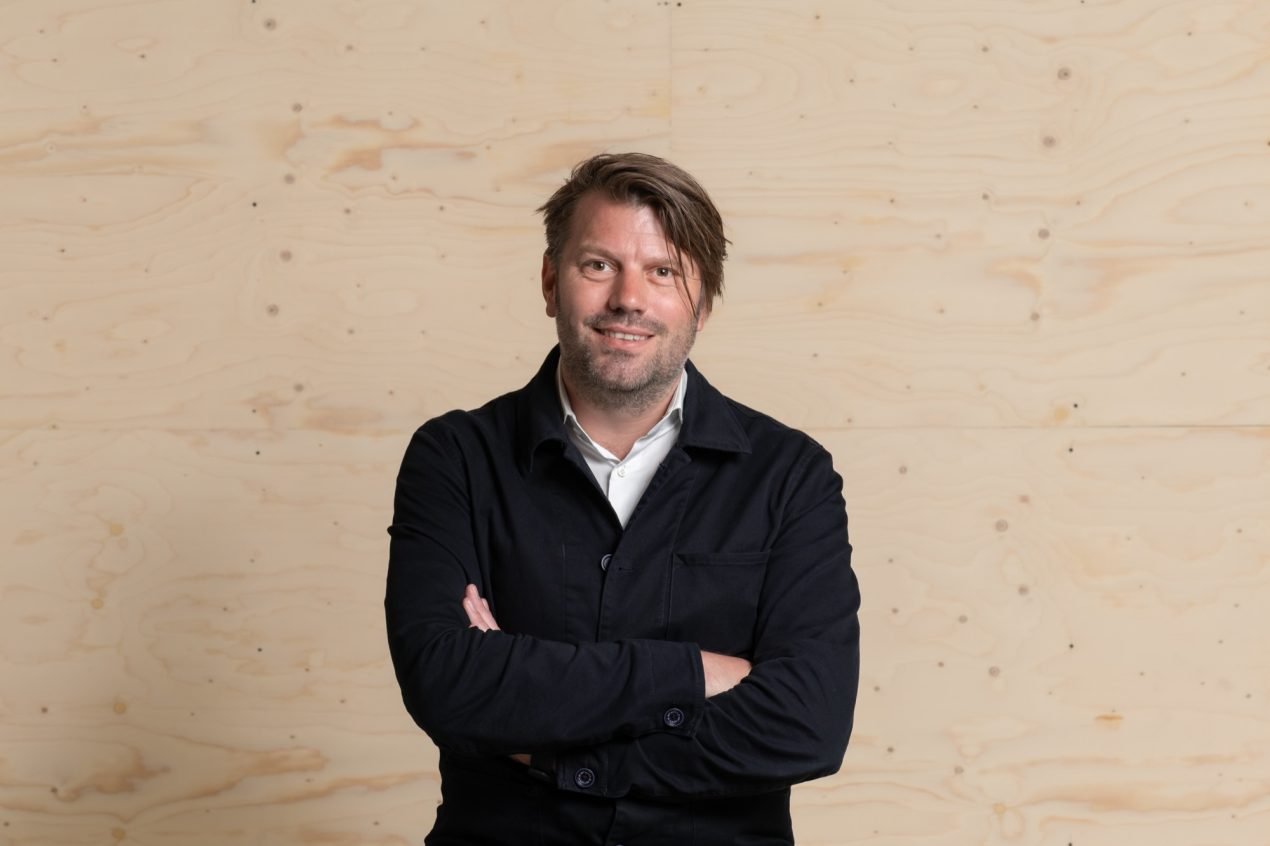
Piet Oudolf talks to filmmaker and planting specialist Arjan Boekel of De Bloeimeesters in the garden at Hummelo, about what planting design for the 21st-century issues actually requires, and where the profession still falls short.
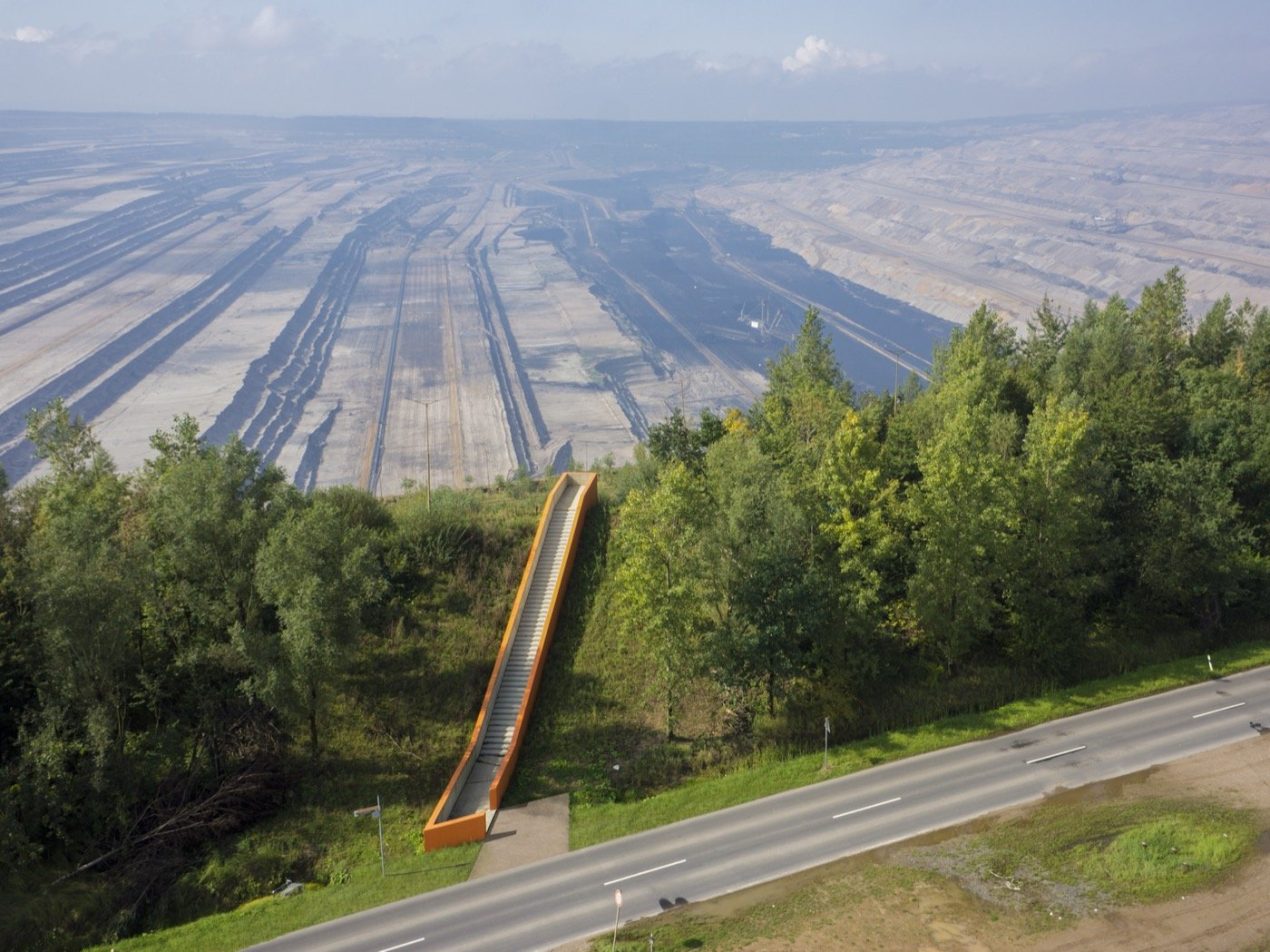
In the article we search for landscape architecture projects that resist the temptation of resigning control or creating spectacle. Environmental stoicism – working with existing conditions proves productive force in design approach.
Thomas Balsley is a central figure in shaping contemporary public space in New York City, with a career spanning more than four decades. His work has focused on transforming post-industrial waterfronts into resilient and socially active public landscapes. His portfolio includes more than 100 projects, among them Hunter’s Point South Waterfront Park, Gantry Plaza State […]
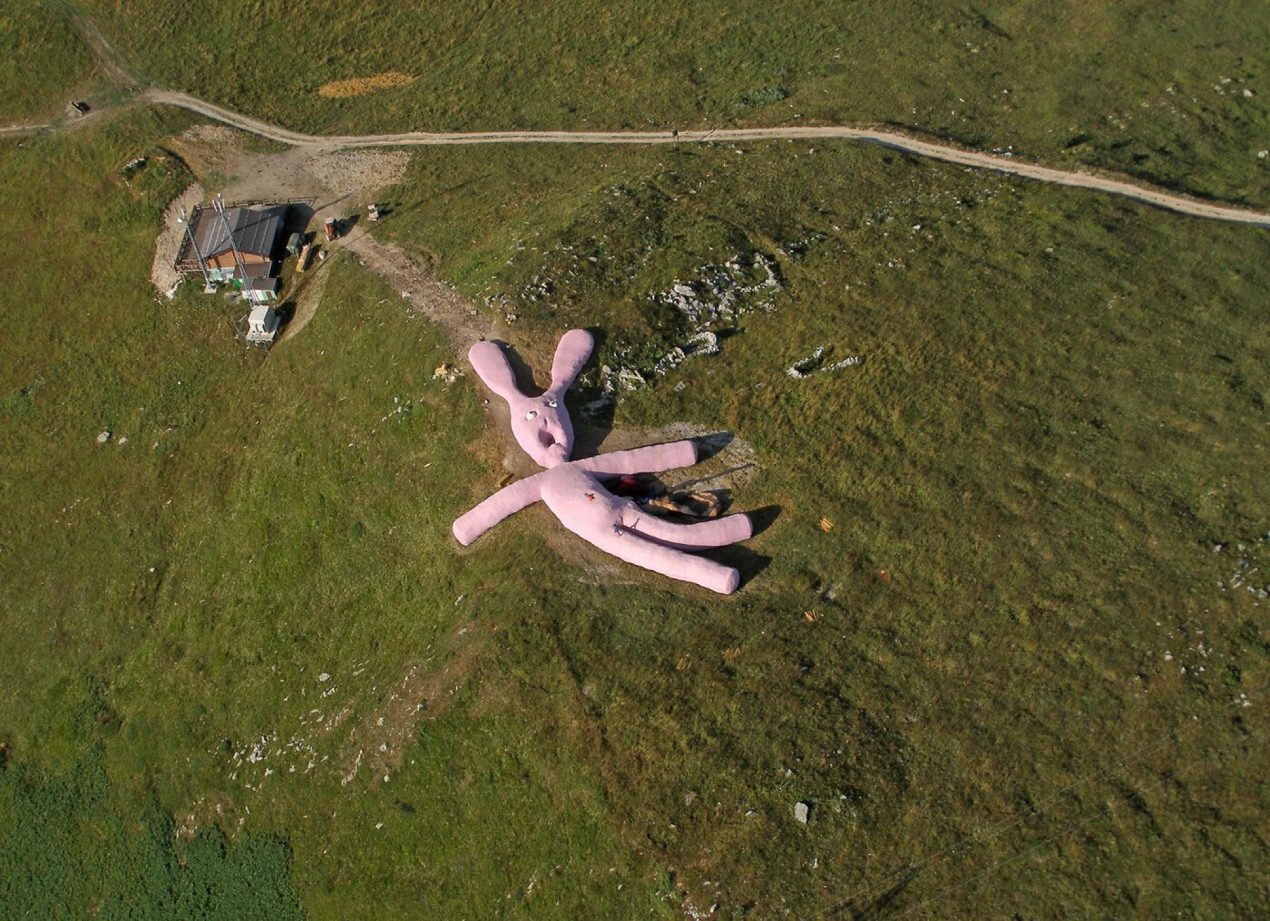
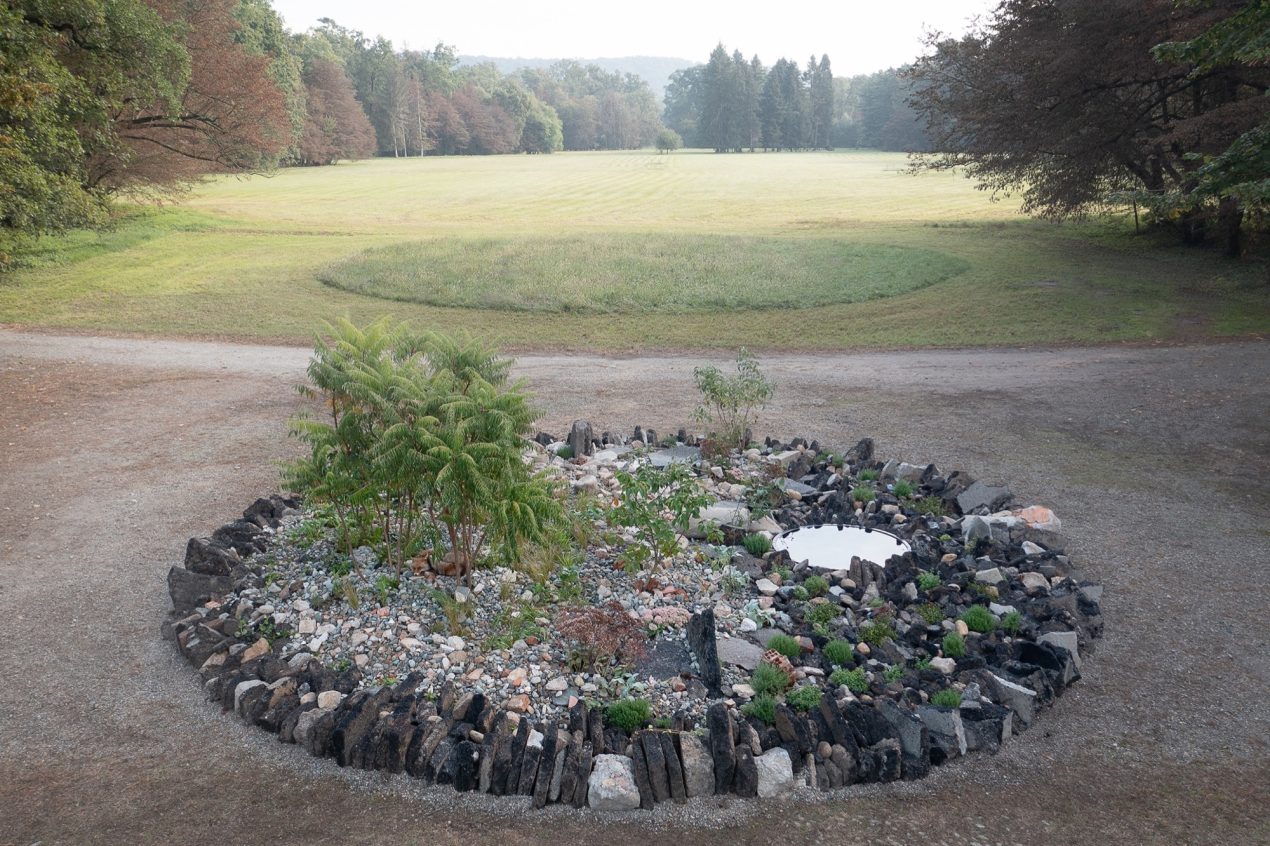
Recently, a case of a huge pink rabbit lying ‘dead’ in a mountainous terrain circulated on social media. The odd situation caught our attention. Hase by Gelitin produces a defamiliarising effect on the landscape — the body of a dreamy vernacular landscape is invaded.
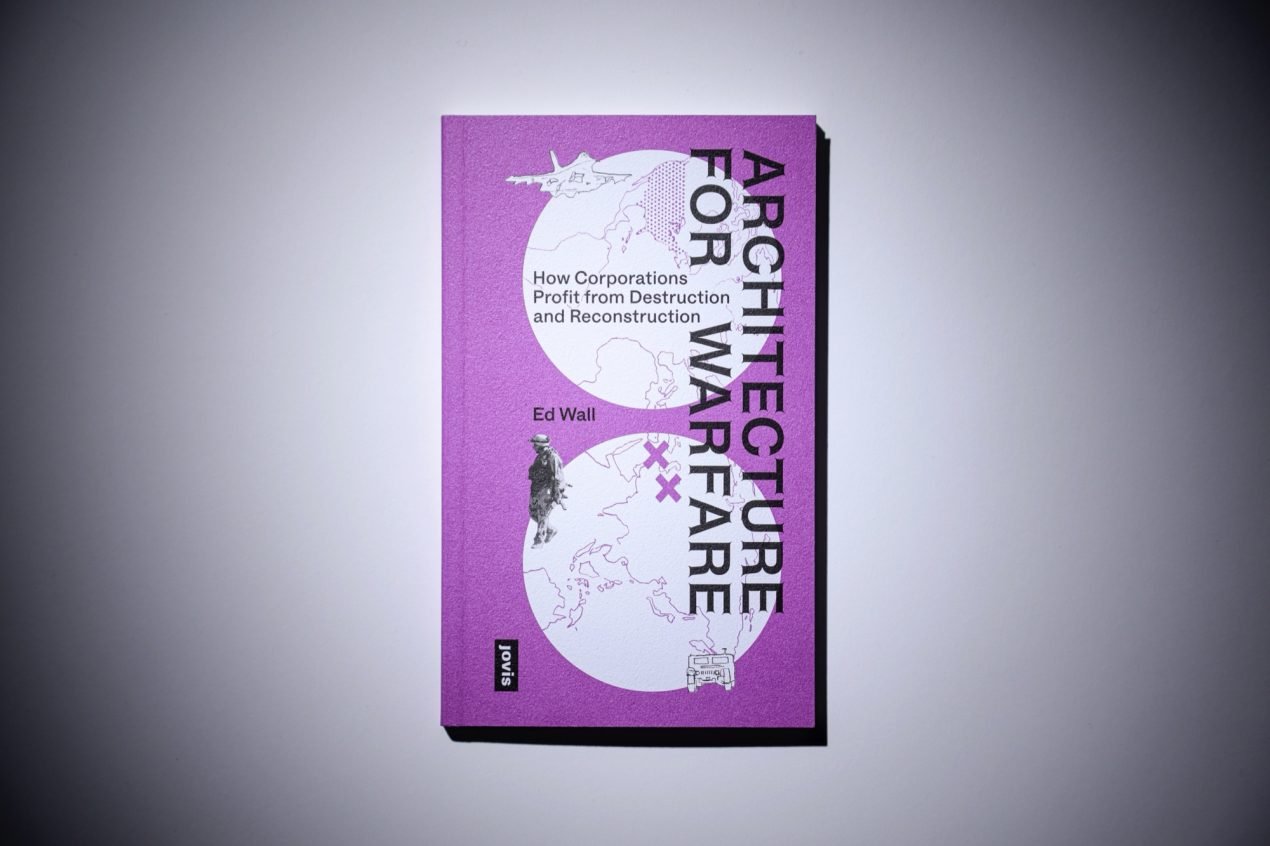
Ed’s new book, published by Jovis, traces the entanglements between spatial design and the expanding geography of war. It began, as Ed explains, with a moment of bitter revelation during his years in practice as a landscape architect …
The forest has recently become a site of renewed interest — not only in philosophy and the humanities, but also in art and aesthetic theory. Many reasons lie behind this return, all closely tied to the tensions of our present moment. We speak with philosopher and co-editor of Forest Encounters, Mateja Kurir.
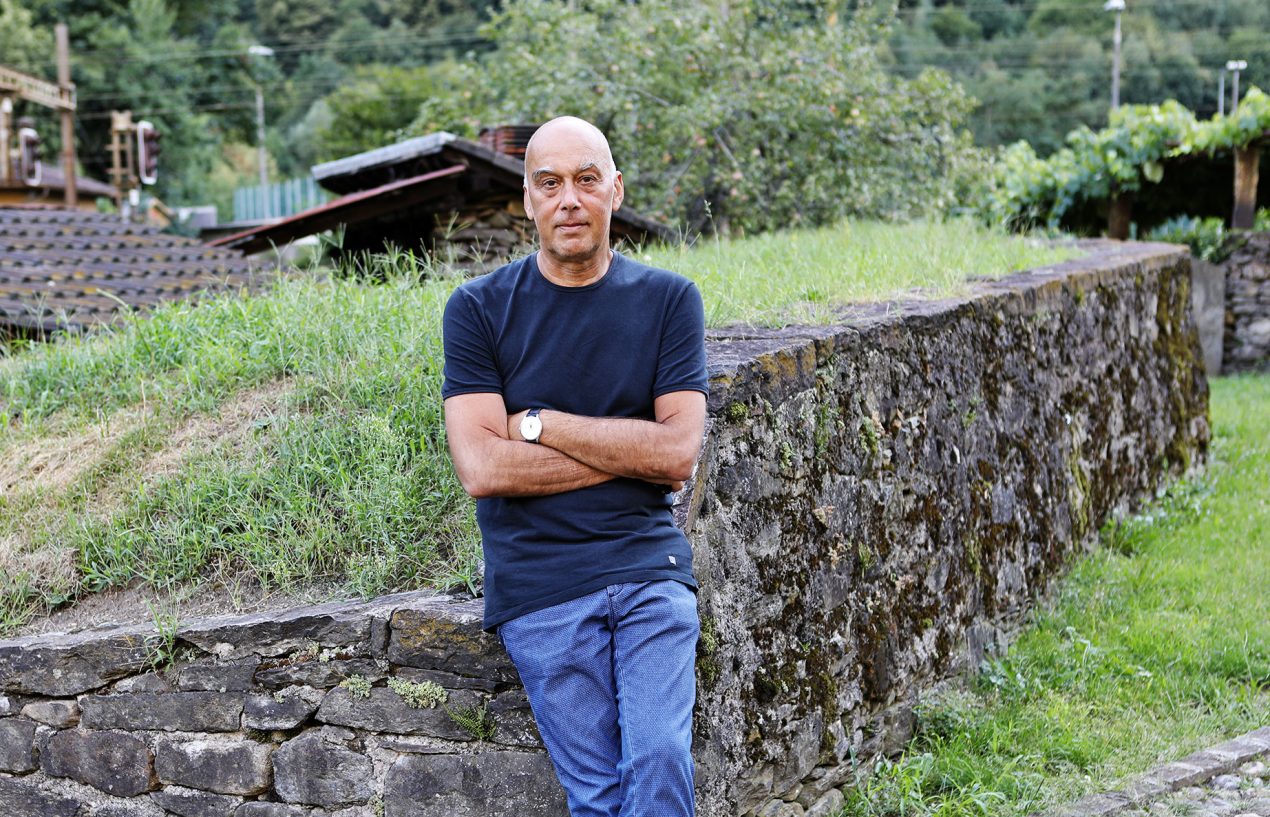
Jürgen Weidinger on the pressures shaping landscape architecture today — from climate anxiety and public budgets to design culture and the next generation, and where the ways forward might be found.
Topophilia, the affective bond to place, presumes duration through which meaning accumulates. Under accelerating transformation, places are altered, degraded, or erased. Design, we argue, cannot produce places, it can only frame conditions where it may emerge and allow for attachment, not secure it.
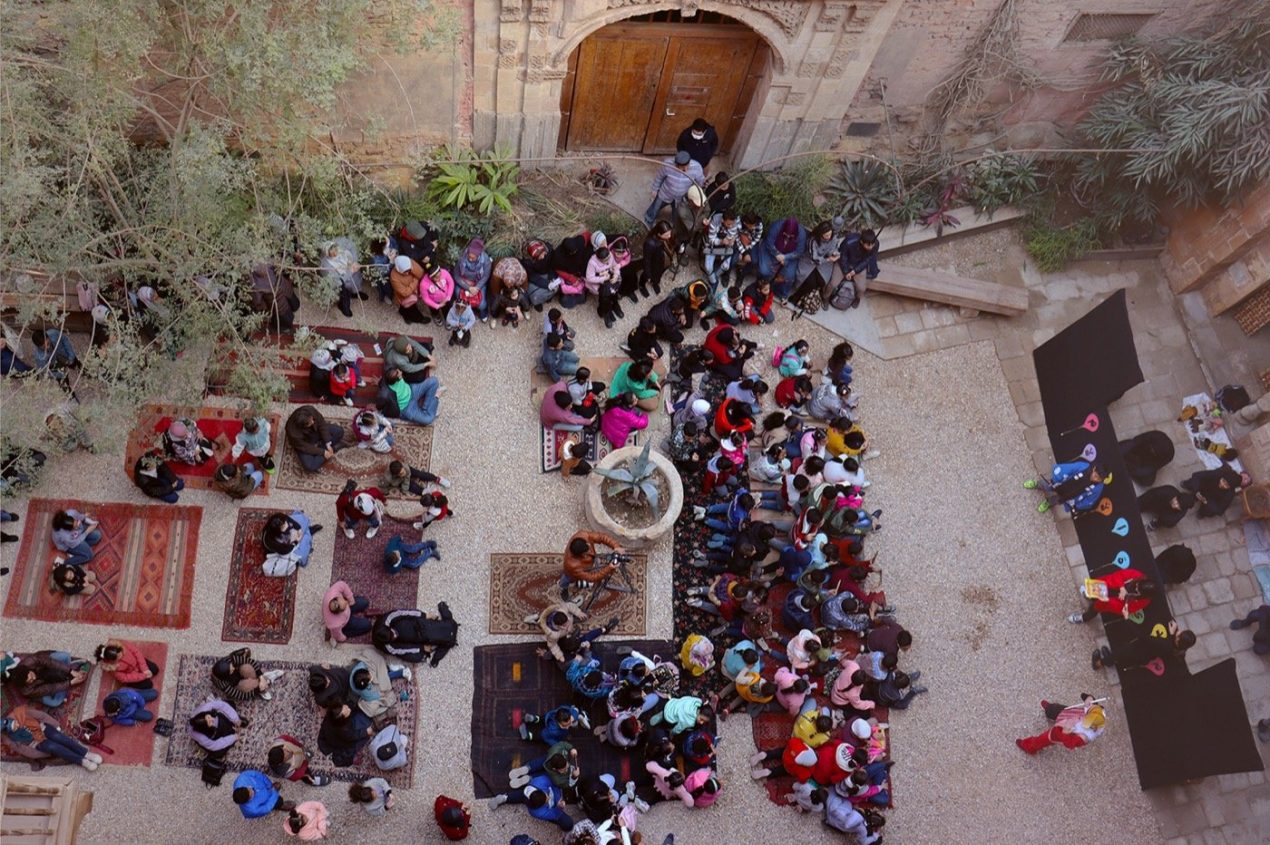
Literature is abundant on enclosed landscapes; from atriums, private gardens and patios, to large courtyards, cemeteries and spaces of worship. One thing seems to be in common to all: enclosure functions not only as a protective device, but also produces a world.
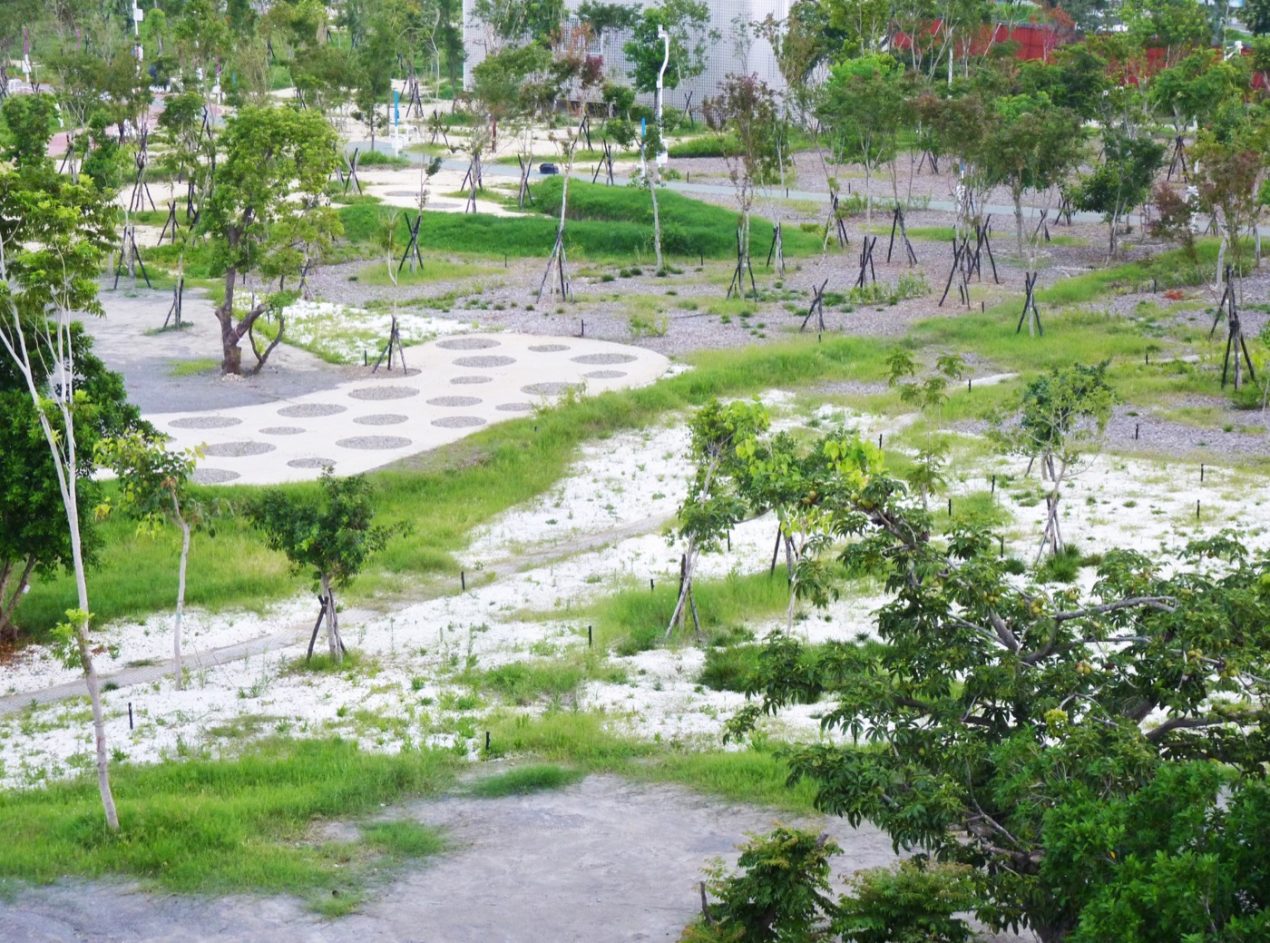
Alessandro Martinelli writes about how Taichung Central Park reveals a conflict between design and governance systems built on institutional trust and “appropriateness”. He stresses that procurement culture, political dynamics, and maintenance regimes can undermine ambitious landscape projects.
We talk to Stephen Buckle about drawing as a thinking tool, landscape as urban system rather than surface, negotiating development pressures, rejecting fixed styles in favour of place response, and why landscape architects must take a stronger leadership role in shaping dense cities.
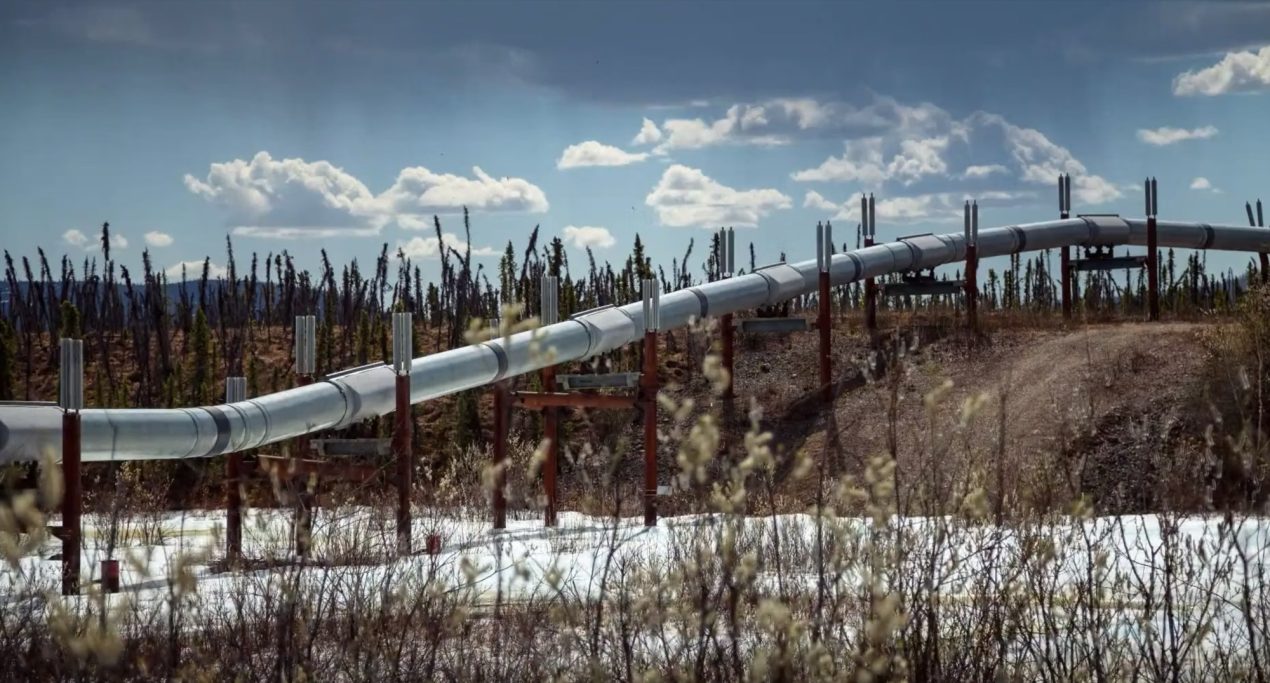
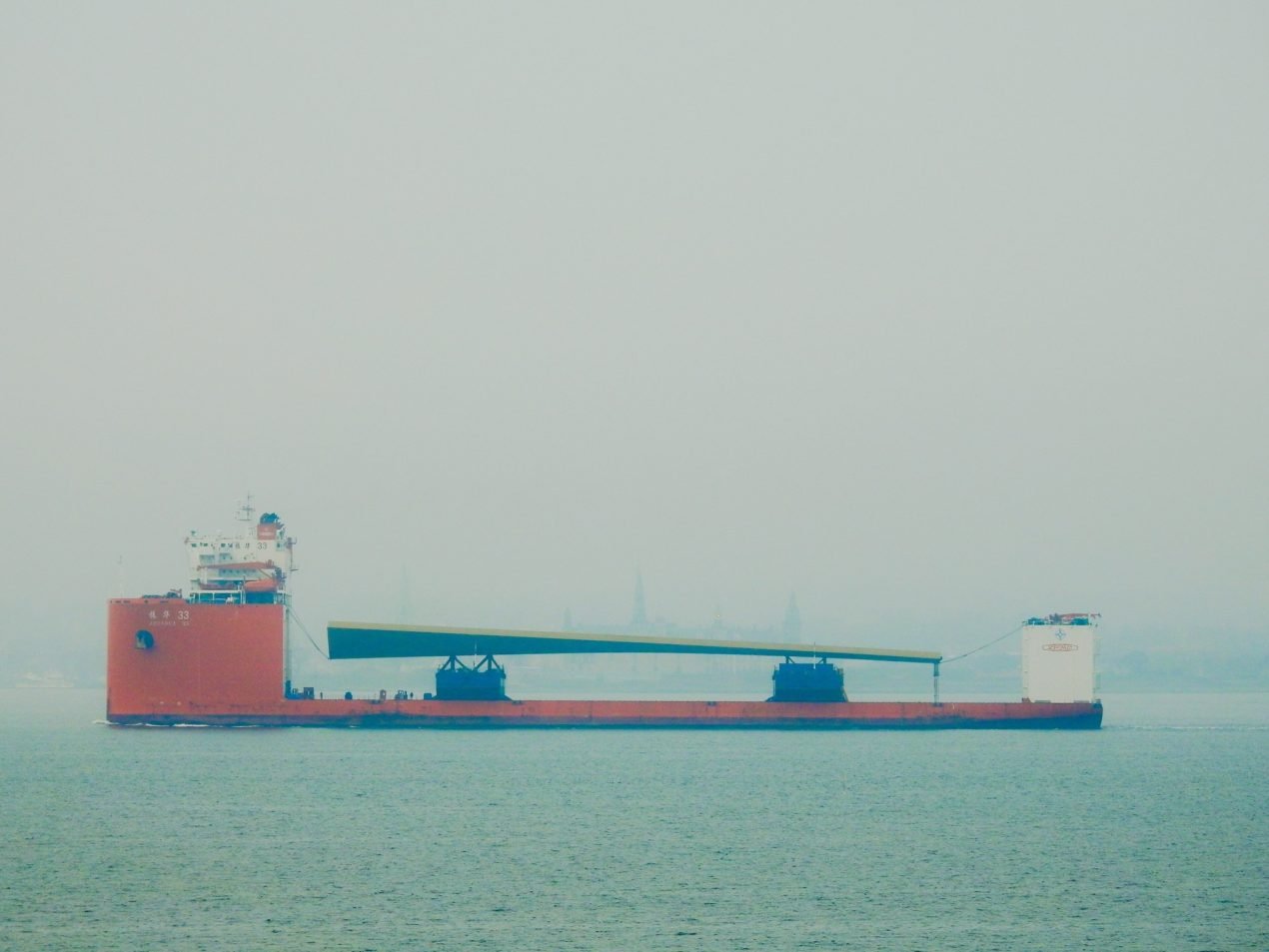
Landscape architecture operates through territorial displacement but rarely narrates it. Sense of place must also include the geographies embedded in supply chains. Otherwise it becomes aesthetic traditionalism, concealing its material contradictions as the ecological crisis unfolds.
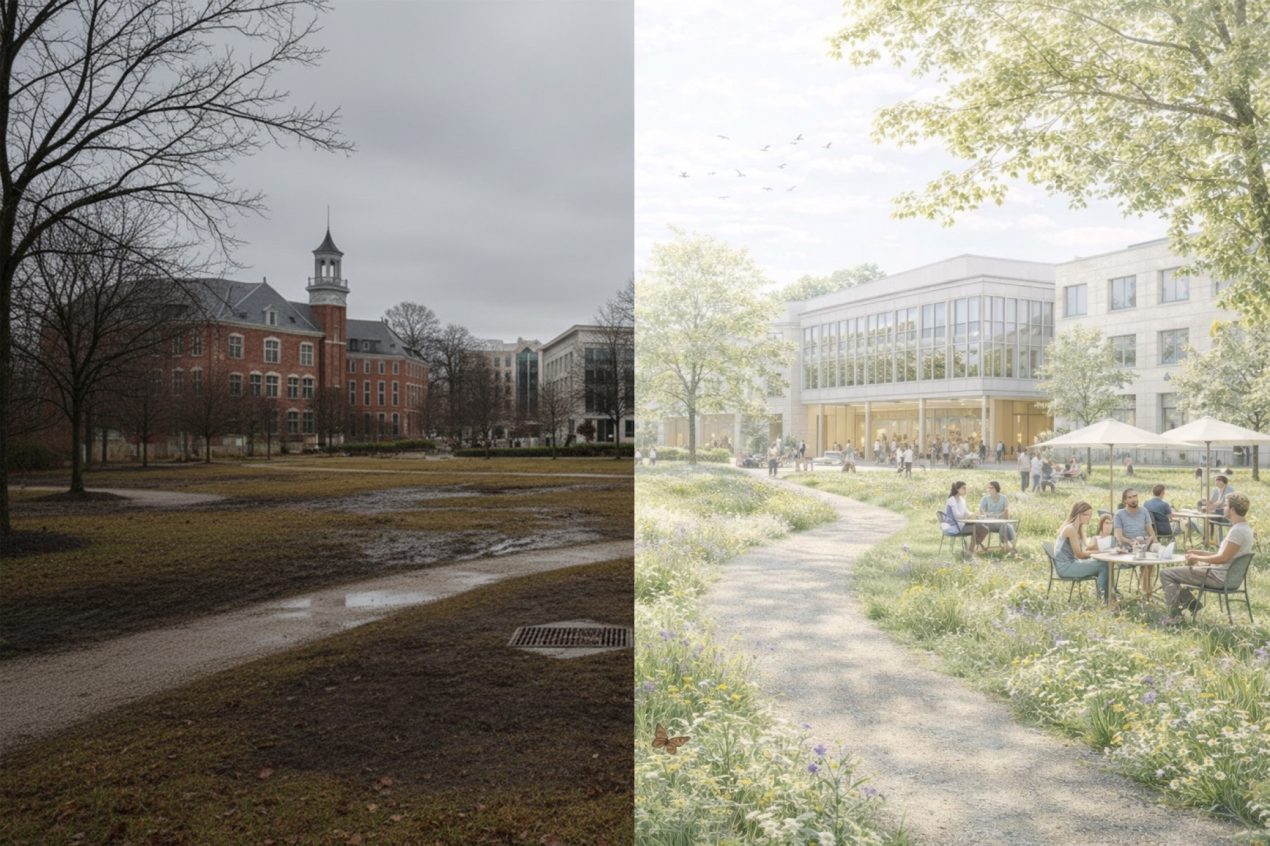
Anti-render flips the golden-hour fantasy. What if your project is seen on a grey November Tuesday instead of a May evening? A look at AI tools that strip away atmosphere and expose what design really stands on once people, light and seasonal charm disappear.
Rob Beswick examines how the Urban Greening Factor and Biodiversity Net Gain are reshaping landscape practice in the UK, arguing that while both policies advance environmental recovery, their success depends on integrating metrics with design quality, social value, and long-term resilience.
We talk to Chiara Geroldi about how landscape architecture can engage with the growing landscapes of discarded soil, the importance of making material processes legible, and how design can approach material surplus for shaping post-industrial and infrastructural topographies.
Ibrahim Diaz writes on how technical and ecological performance can act as an alibi for spatially weak landscapes. He argues that technical metrics are important, but risk replacing design ambition.
This article critiques how industrial “clock-time” and efficiency-driven planning structure urban life. It examines the shift from spatial mapping to “chrono-urbanism,” using isochrones and rhythmic analysis to reveal how transport and institutional schedules distribute time and access unequally.
Historic gardens are in most cases preserved through visual continuity, yet climate change exposes the ecological instability beneath their timelessness. The article argues that heritage landscapes are to reveal, not conceal, this rupture—shifting toward a cultivated sense of change.
Žiga Malek on Natural Climate Solutions: their mitigation potential, limits, and land-use trade-offs, on how ecosystem protection, not tree planting alone, offers major benefits but cannot replace fossil fuel cuts, and how effective climate action requires systemic changes and realistic land use.
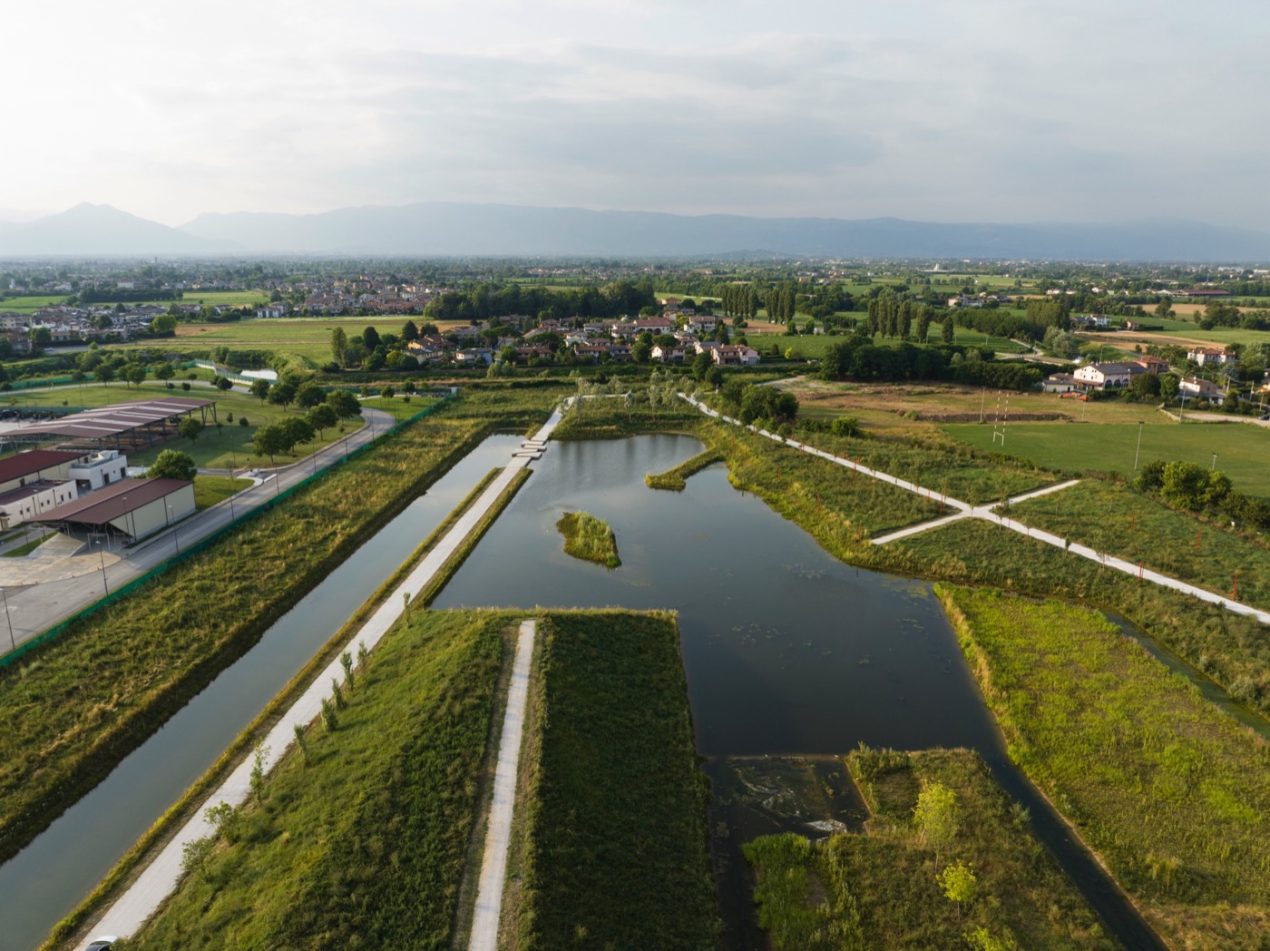
An interview with PAN Associati and EMF on the LILA 2025-winning Parco della Pace. Born from a former military airfield in Vicenza, this “non-muscular” design uses soil movement and groundwater to create a low-cost, 65-hectare landscape that prioritizes ecological processes.
Kristoffer Holm Pedersen of SLA writes about how architecture media sidelines landscape and urban design. As climate and biodiversity crises intensify, he argues the issue is not just visibility but value, and whether image-driven platforms can host slow, systemic, ecological design.
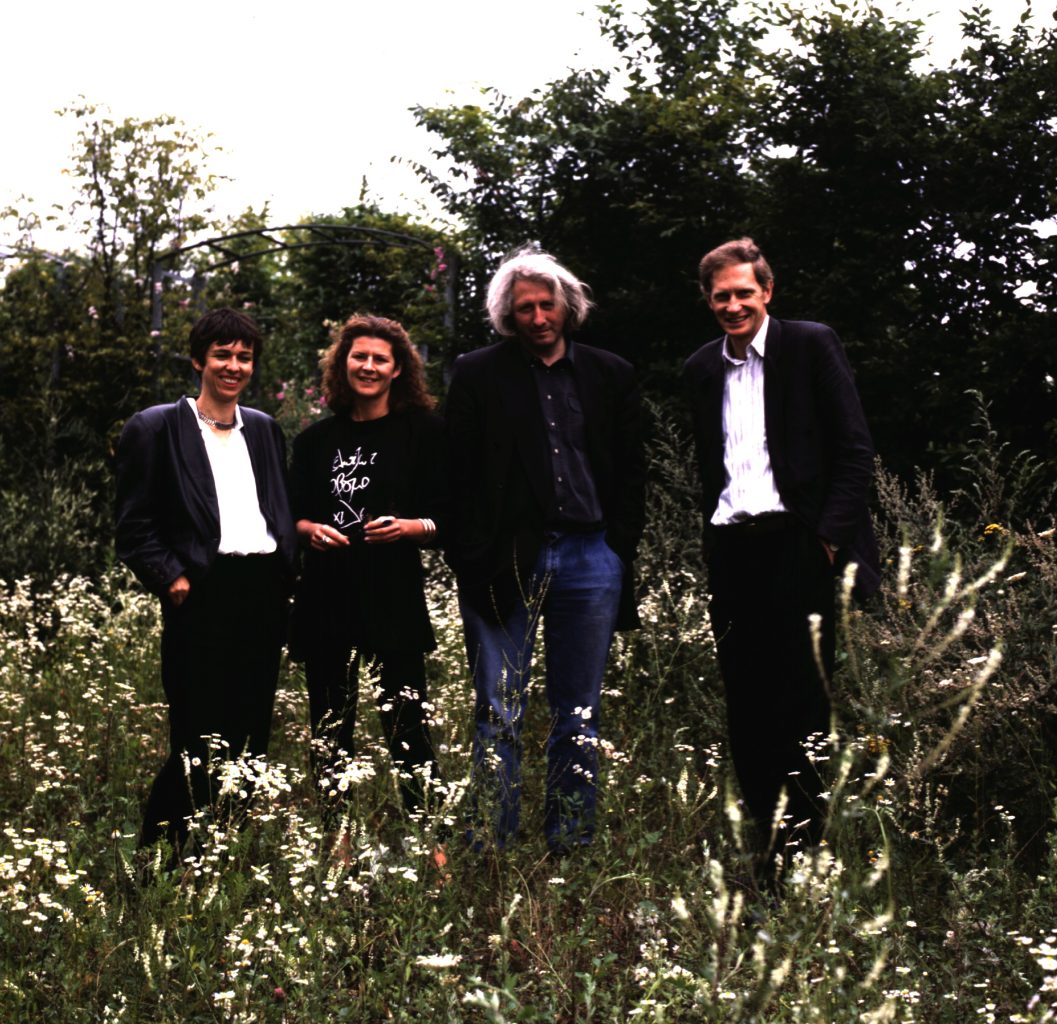
On the occasion of Topotek 1’s 30th anniversary, Martin Rein-Cano reflects on the firm’s practice. The interview covers projects old and new, the rejection of visual harmony, and the role of unscripted public space in mediating social and urban conflict.
Robert Schäfer and Urška Škerl speak to Mechtild Rössler about the evolving World Heritage Convention. They discuss the defining threat of climate change, the imbalance of the World Heritage List, and how landscape architecture—through “sponge city” concepts—can protect global heritage.
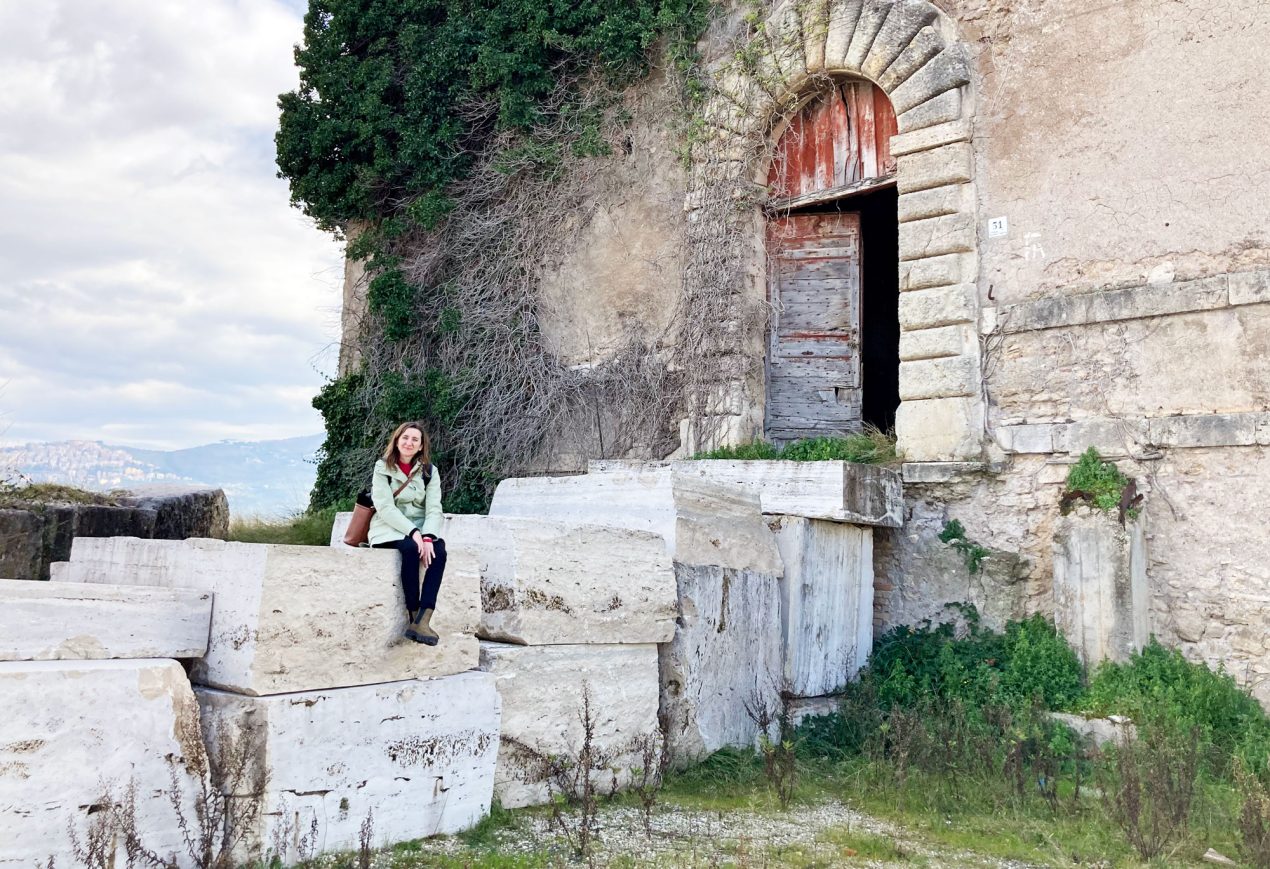
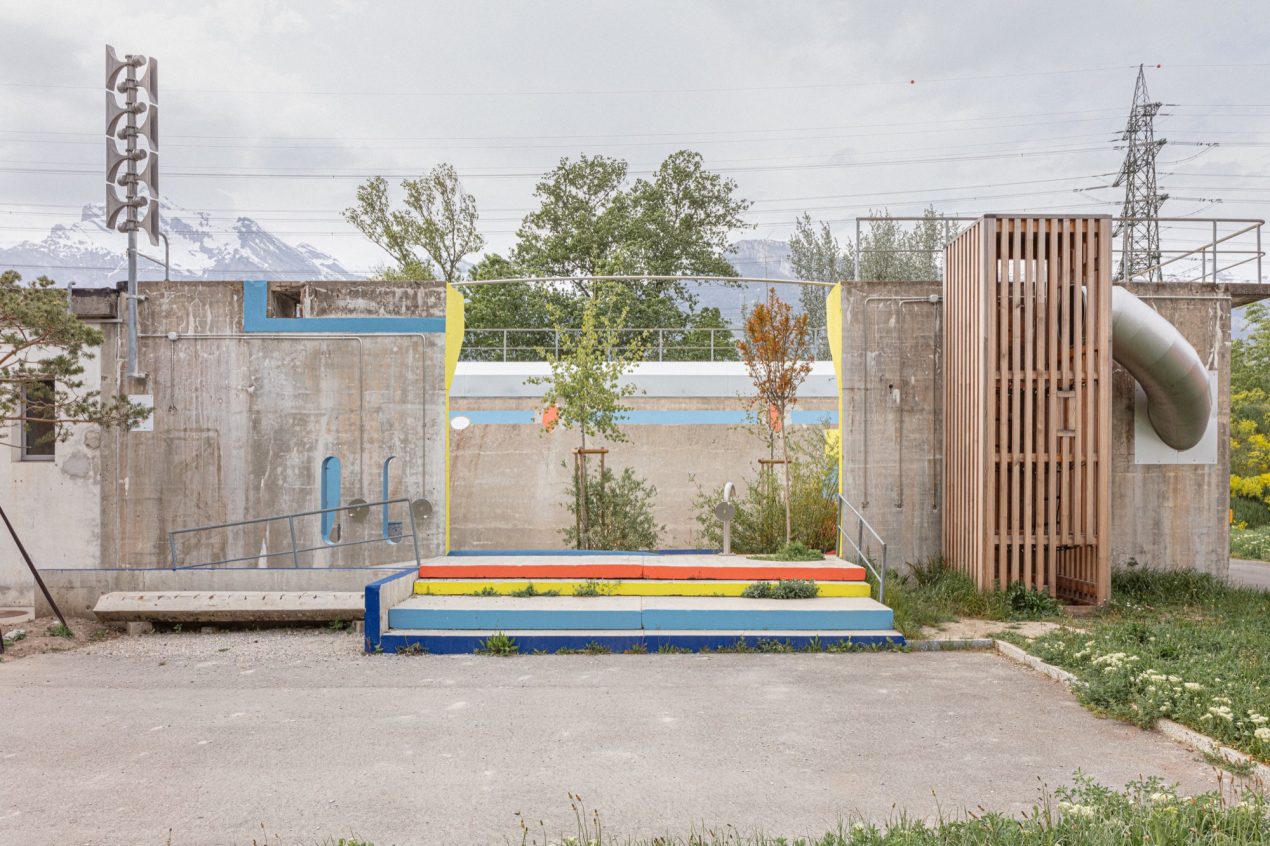
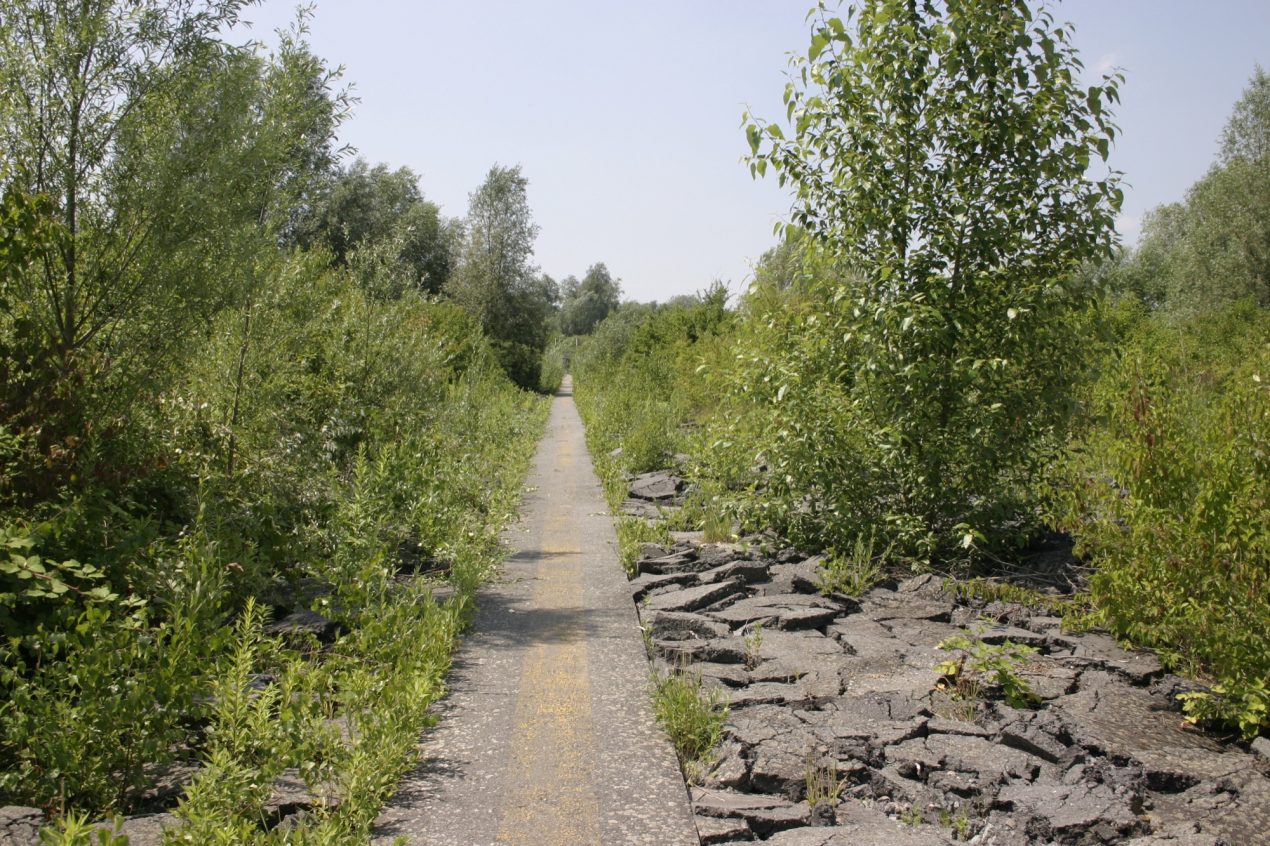
This text examines adaptive reuse not as an ecological strategy, but as a condition of misfit between material persistence and use. It argues that productive surplus emerges when past and present functions remain simultaneously legible, forcing users to negotiate meaning, norms, and use within a low-resolution landscape.
Air traffic has undergone significant changes since it became available to a wider population. The commercialisation of air travel, supported by reduced costs and technological development, increased the size of passenger terminals and the overall footprint of airports, driving urban and infrastructural transformation. At the same time, the life cycle of an airport is unpredictable, […]
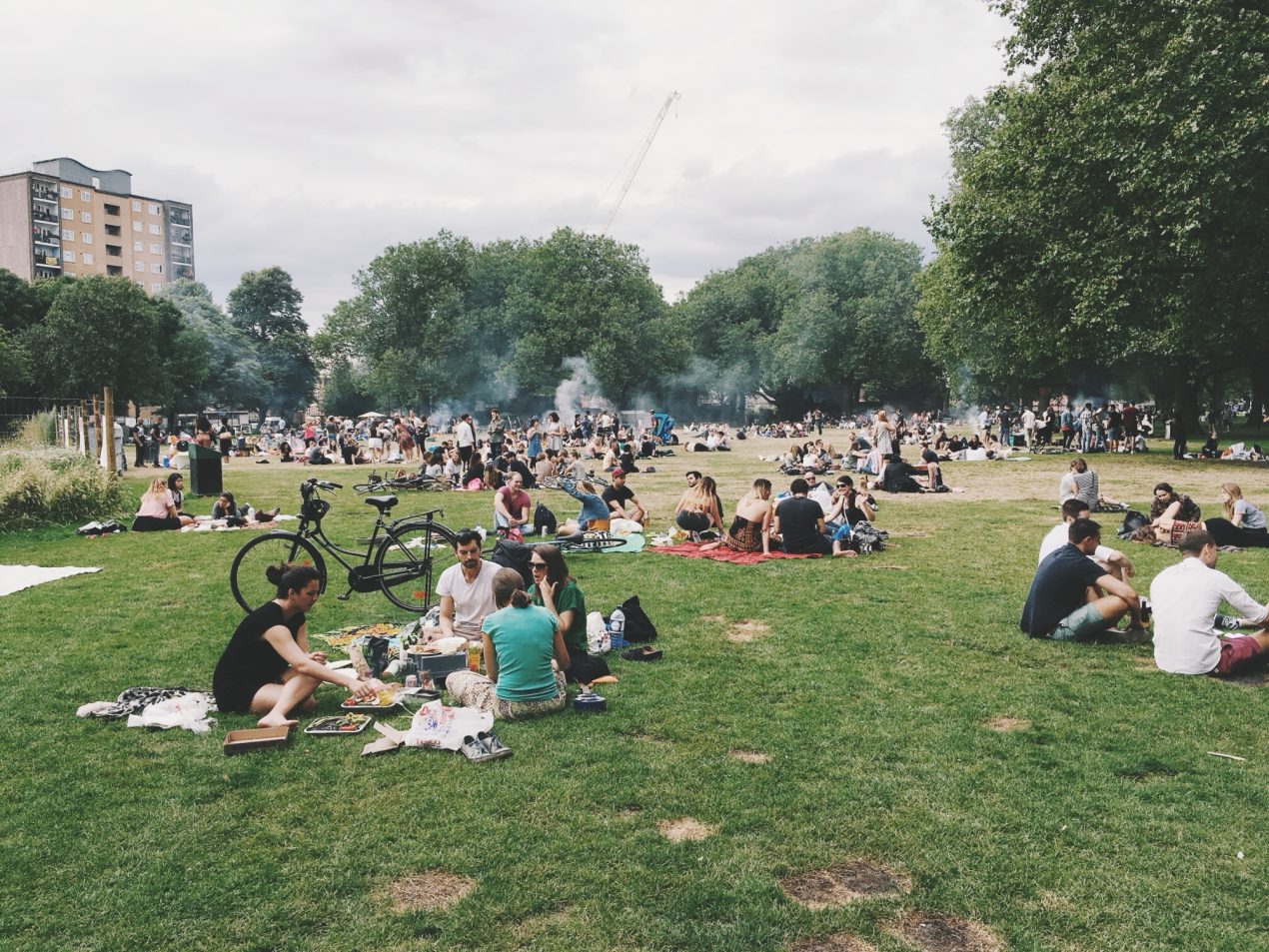
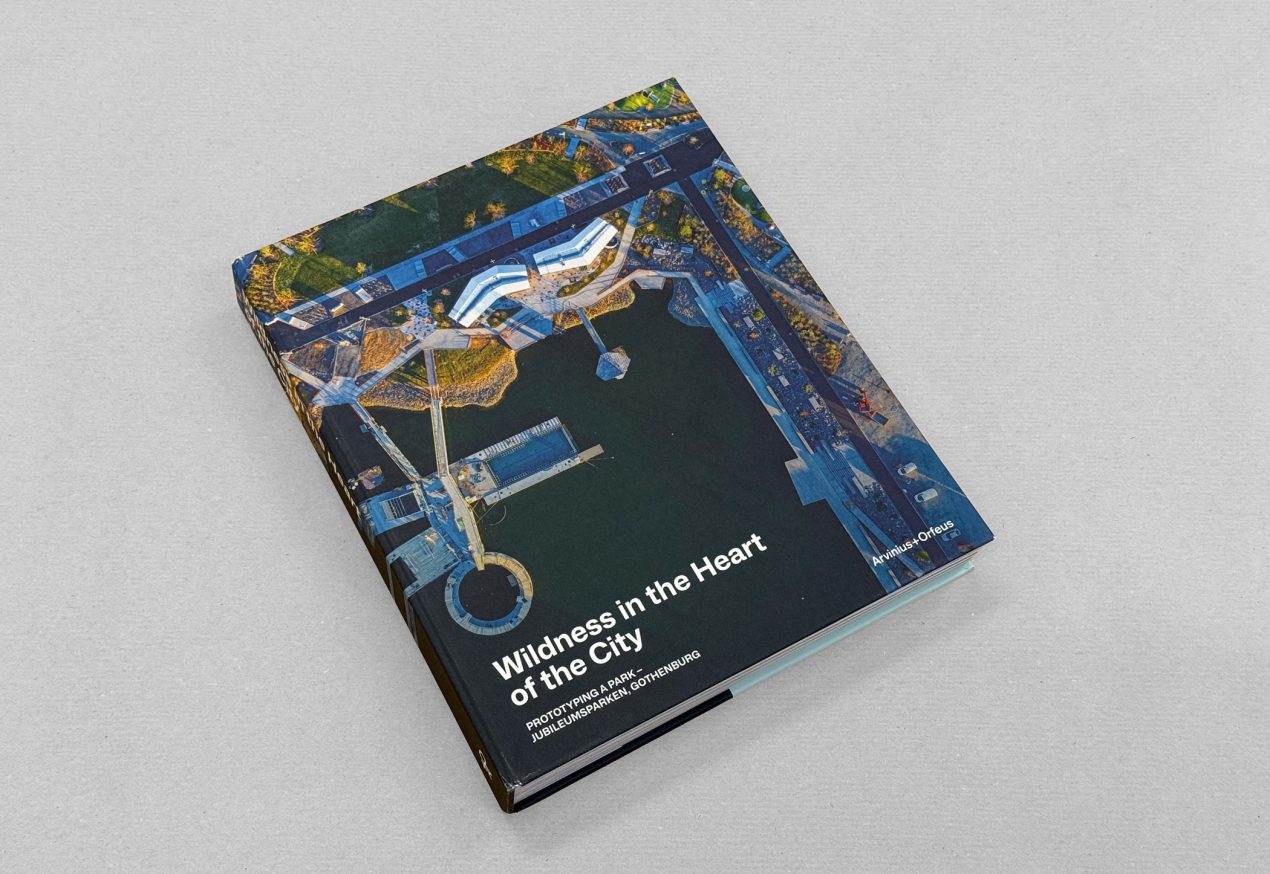
I was invited by Mareld to contribute a text on their project Jubileumsparken to the book Wildness in the Heart of the City. To write it, I travelled to Gothenburg and stayed for several days in a hotel located directly on the site. Over those days the park kept changing. From a crowded, sunlit weekend […]
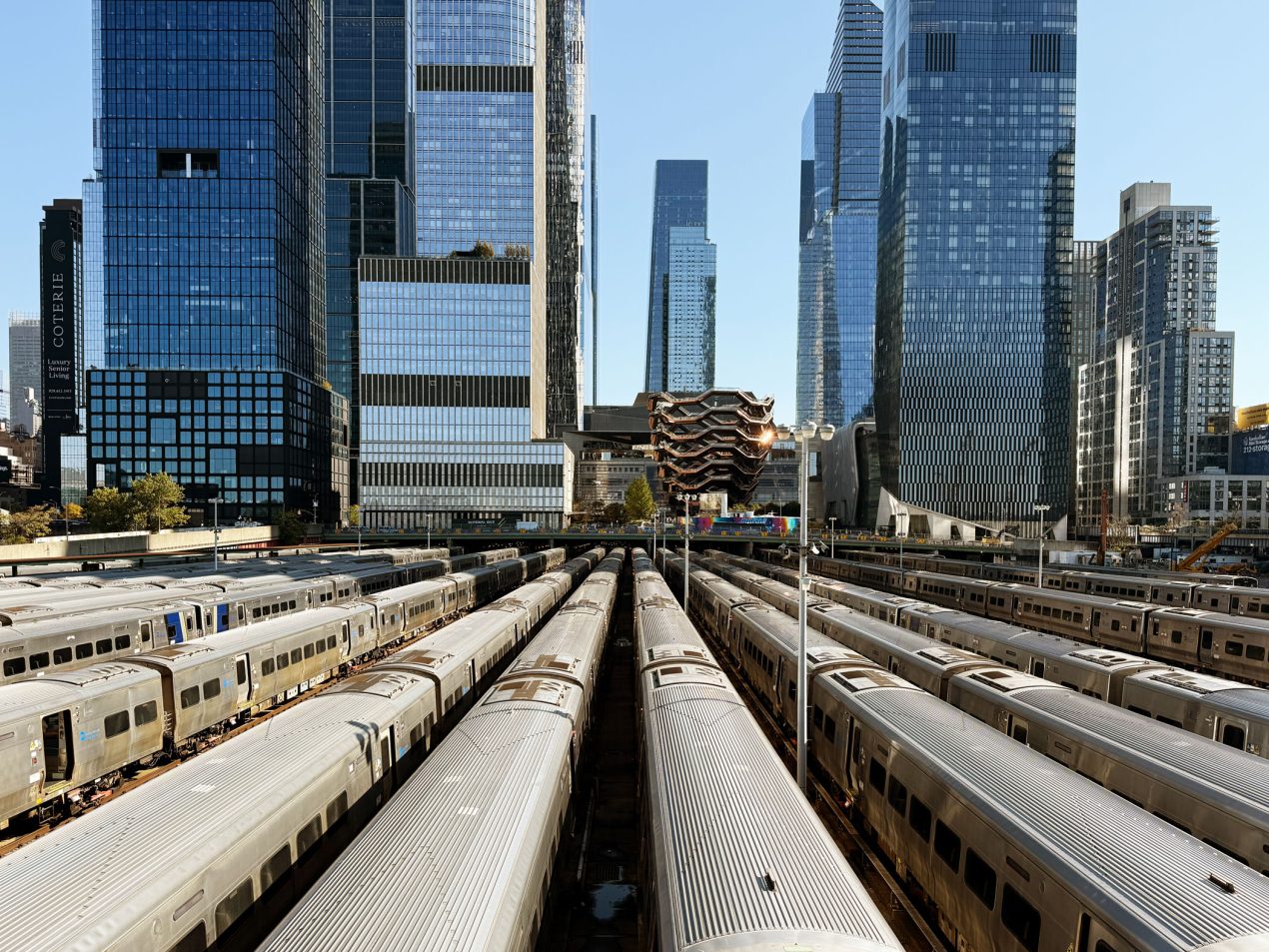
I returned to the High Line more than a decade after its completion to see how it had evolved. During my previous visit, Section Three was still under construction and closed to the public. The first two sections remain heavily visited, meticulously maintained, and perceptually closed; returning to them offered no new readings, aside from […]
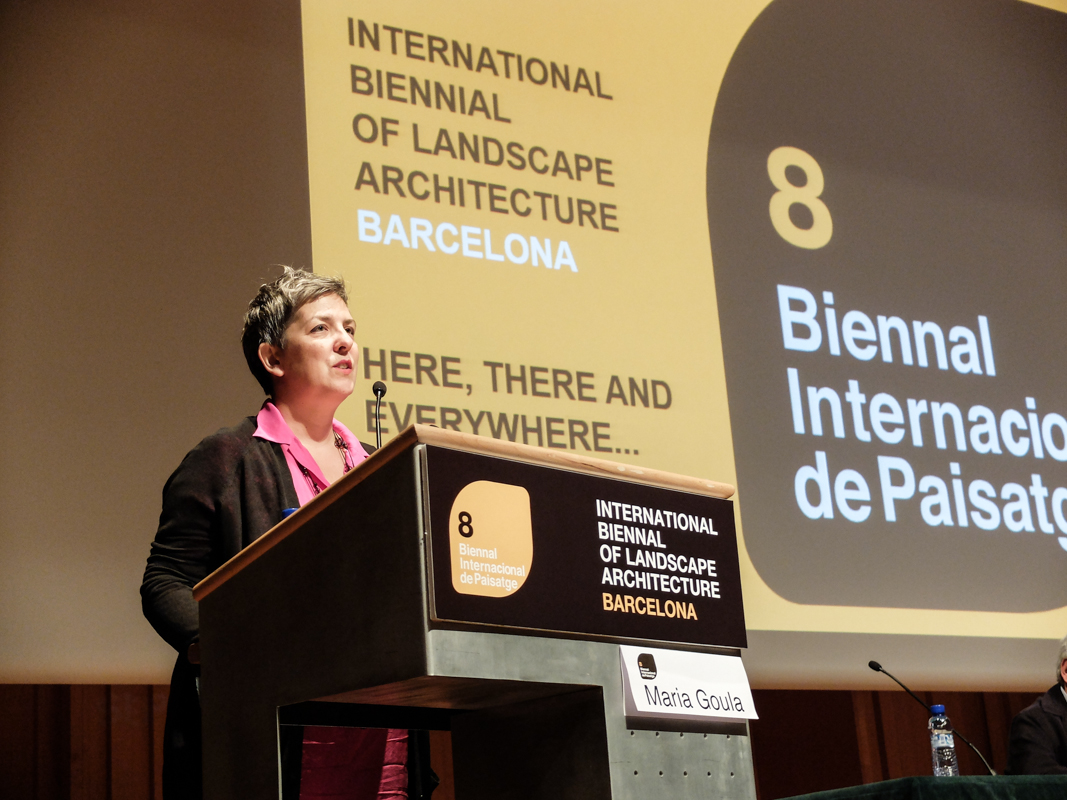
Maria Goula is Professor of Landscape Architecture and department chair at Cornell University. She is a licensed architect and landscape architect, holding a PhD with a focus on Landscape Design Theory. Before joining Cornell, she taught and practised professionally for over twenty years in Barcelona, Spain. Since 2000, she has been a founding member of […]
Despite local initiatives to preserve industrial heritage and Ravenna’s iconic skyline, the Hamon towers, featured in Red Desert were demolished to make way for a government-supported photovoltaic power plant. Is demolition justified and have the Hamon towers, and what they stand for in the film, contributed to their demolition as part of a corporate profile-changing gesture?
We spoke with Thomas Woltz about landscape architecture as a fusion of art, science, history, and long-term stewardship, and about the institutional, political, and ecological forces that shape public space.
Each year, projects enter Landezine at different moments and remain visible for different lengths of time. Comparing their performance is therefore difficult. Some have circulated for almost a year, others for only a few weeks. Some projects’ visibility was boosted by our editorial hand. Cumulative pageviews would privilege older projects, while comparing raw early views […]
In this year’s analysis, we examined which Featured Articles you read most.
Taken together, these most-read articles do not converge on a single theme so much as on a shared ethos. They circle questions of ground and depth, justice and care, theory and practice, aesthetics and ethics, without keeping domains apart.
Ed Wall is Professor of Cities and Landscapes at the University of Greenwich, where he leads the Spatial and Digital Ecologies research centre. He is a Visiting Professor at the Politecnico di Milano and has previously served as Visiting Professor at Harvard University Graduate School of Design and also as City of Vienna Visiting Professor […]
In this article, we turn to Edward O. Wilson’s Biophilia (1984) to argue that biophilic design is central to landscape architecture, yet not as the imitation of natural forms, which has become common in architecture, but in the deeper sense Wilson describes as the “innate tendency to focus on life and lifelike processes”. Throughout the […]
Playful Pedagogies: Climate Change as a Game advances play as a mode of teaching and as a way for children and students to engage with landscapes under pressure. Entrapped in existing worlds and unable to let go of the known, how can children and students teach us, or, what would a cow have to say? We must admit it is not easy to shift to such a perspective.
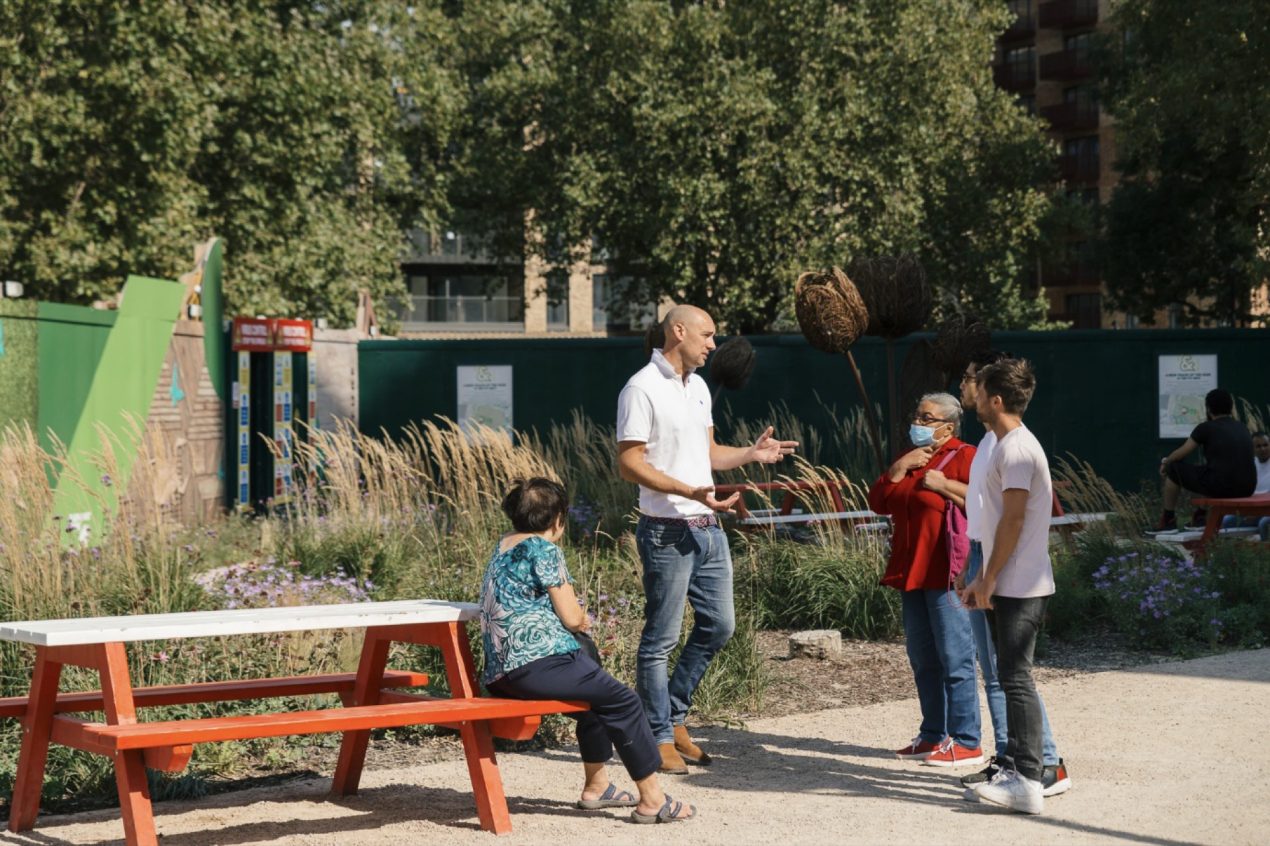
Landscape as a Catalyst for Change presents a cross-section of BD Landscape Architects’ work over the past decade and a half, arranged thematically rather than chronologically. The publication moves through the practice’s core territories—public realm, meanwhile uses, housing, educational landscapes, and community-led projects—before closing with a reflection on the studio’s trajectory and the shifting conditions […]
In the article, we outline several contemporary epochal currents which, in a kind of singularity of collapse, may converge in what has been termed the Homogenocene, “a label for the modern world, characterized by unprecedented, and accelerating, flows of people, pests, crops, and forms of political domination”, as Charles Mann describes it, tracing its origins to 1493.
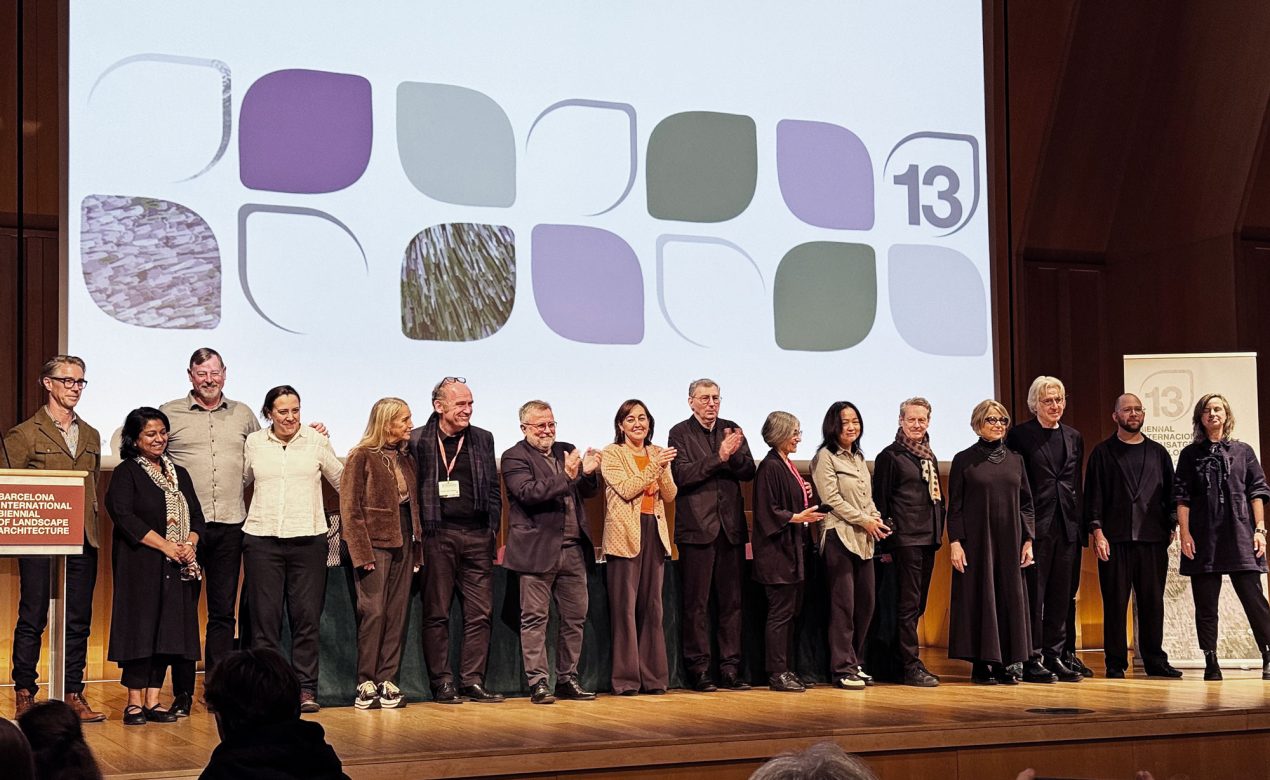
The International Biennial of Landscape Architecture in Barcelona is one of the profession’s most important events. The multiple-day program brings together lectures, presentations, and two awards: the Manuel Ribas Piera International School Prize and the Rosa Barba Casanovas International Landscape Architecture Prize. Traditionally, the Biennial followed a tight two-day core: Rosa Barba finalists presenting on […]
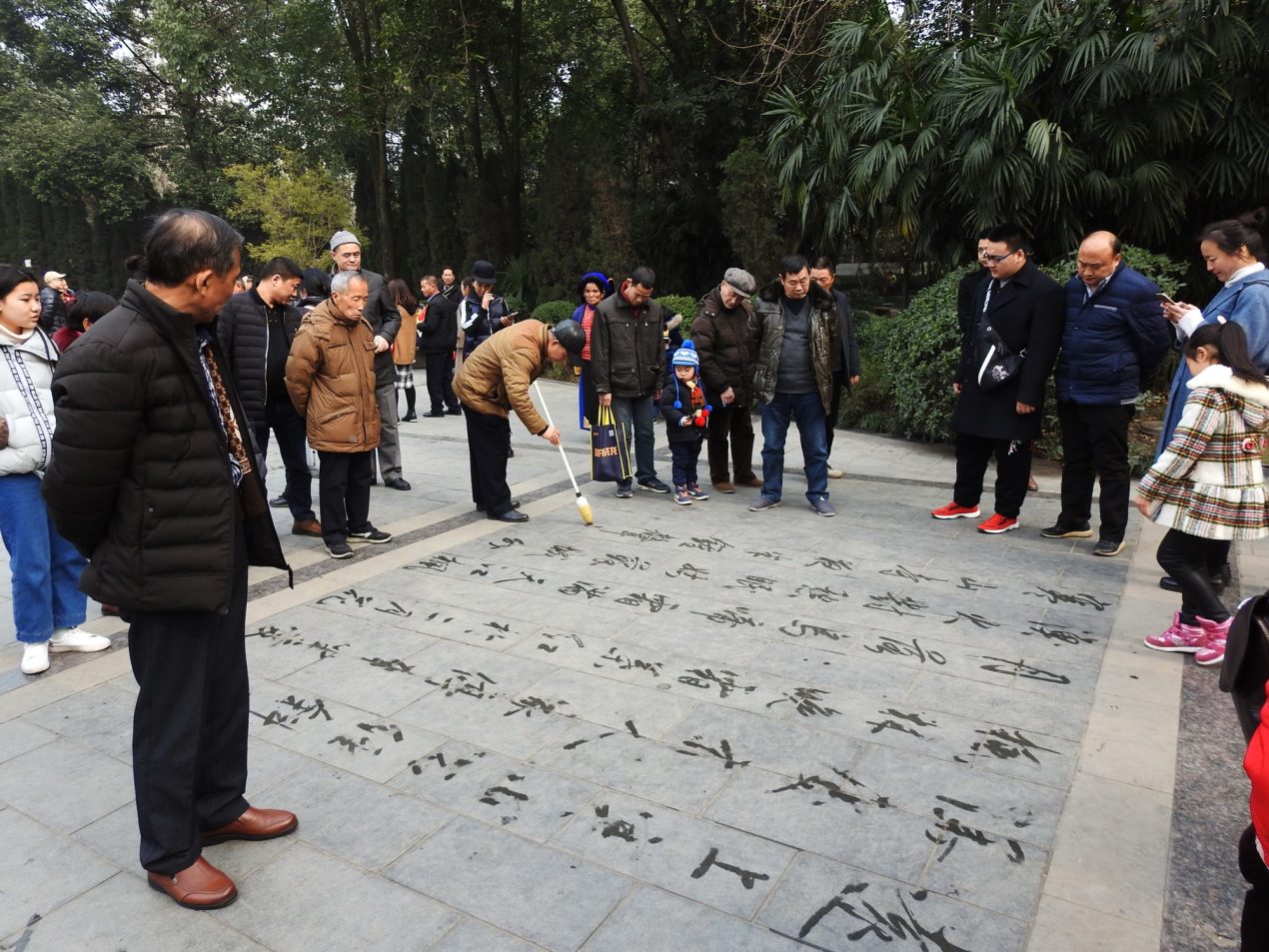
The Chinese public realm must be examined through its own cultural, political, and social logic, rather than through the ideological frameworks derived from the Western and American discourse on the public and public realm.
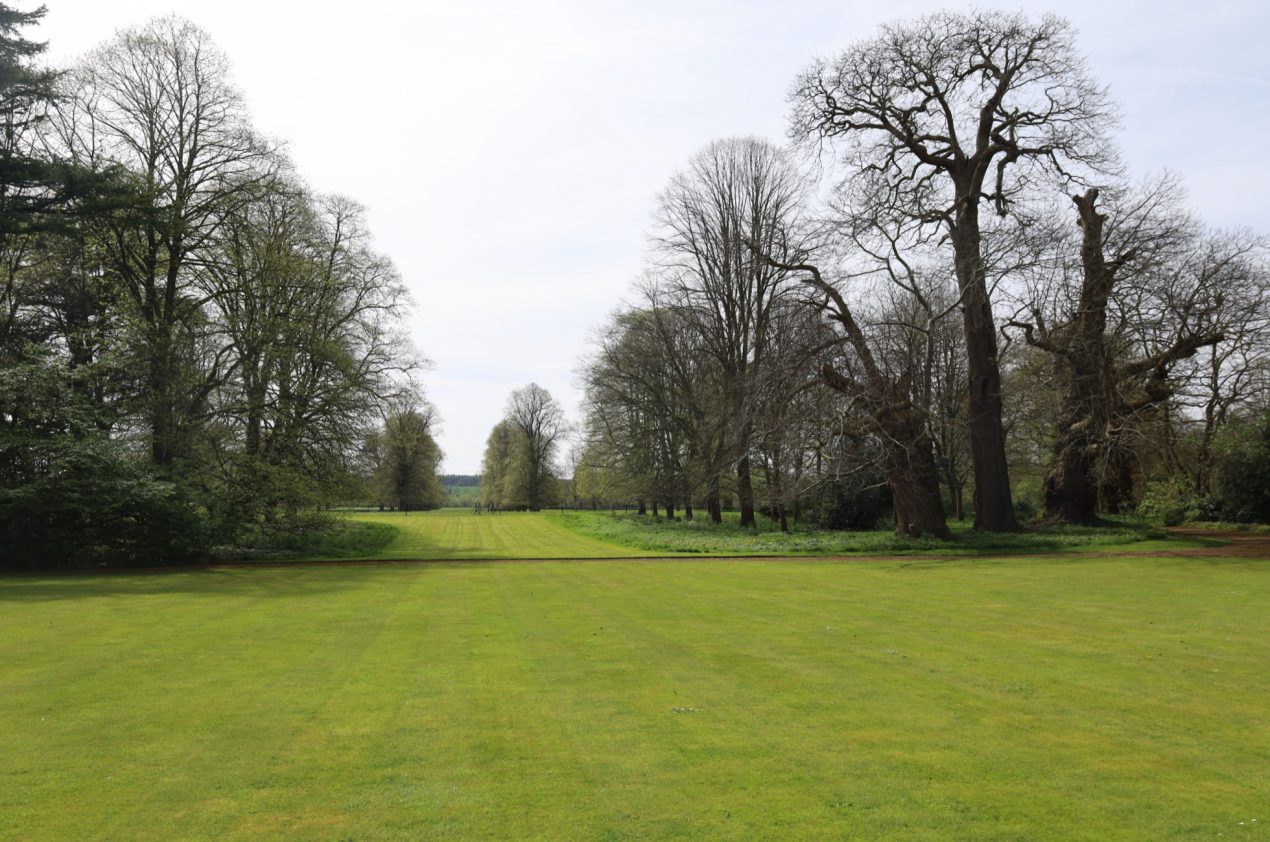
Britain is on the verge of compromising one of its most extraordinary designed landscapes. Developers propose to impale Rousham’s designed sightlines with tall commercial buildings and three titanic wind turbines. The public can still send comments to Cherwell District Council’s planning department before December 26.
The Barcelona Landscape Biennial 2025, titled Natural Intelligence, is starting on November 17, reflecting on how to address climate change with landscape as a driving force. The biennial includes the Rosa Barba Casanovas International Landscape Award for the best professional landscape projects, the International Landscape Schools Award, a Theoretical Symposium and an exhibition of the […]
The COP30 in Brazil starts today. Felixx developed a catalogue for NBS, presented at COP26. Michiel Van Driessche reflects on the role of landscape architects in global policymaking, and what it means to translate climate goals into tangible strategies — from the Amazon to Groningen.
Given such a prolific and formative body of work, the question we posed was simple: what does Treib read when he isn’t writing? What inspires him, and what would he suggest to landscape architects?
The decline of ‘ecosystem services’ implies a trajectory of increasing dependence on human-engineered substitutes. Zed Nelson’s photobook The Anthropocene Illusion shows simulations of experience of nature, mirroring lost ecological functions.
Dieter Kienast (1945-1998) coined a new generation of landscape architects in encouraging them to adhere to form-driven concepts after the environmental movement and he passed away far too early in 1998 at the age of just 53, at the peak of his career.
The Ten Thesis, written in November 1998 by Dieter Kienast, Chair of Landscape Architecture at ETH Zurich, were published in Anette Freytag’s The Landscapes of Dieter Kienast (Zurich: gta Verlag, 2020). Thomas Skelton-Robinson translated the Ten Theses for this volume from the last amended version, as published in Dieter Kienast: Die Poetik des Gartens; Über […]
“I have always been surprised by this lack of theory — and of history as well. Even prominent colleagues of ours can hardly name five masterworks essential for them … This means that some professionals work in the field without fully knowing what they do when they claim to practice landscape architecture.”
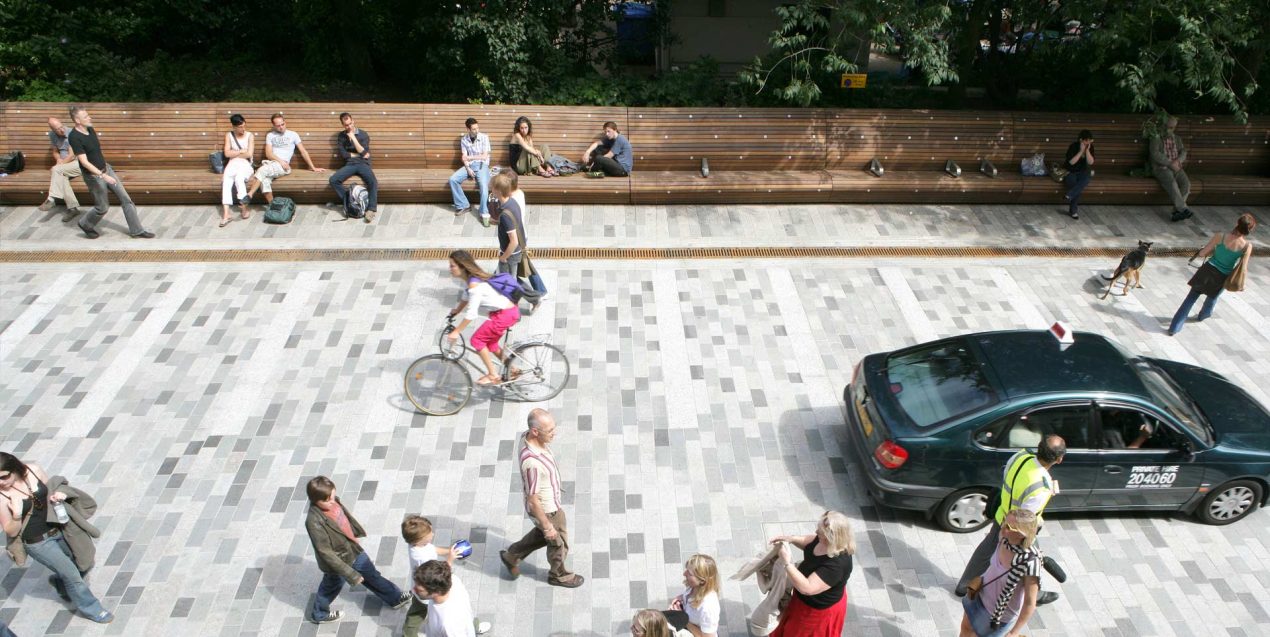
Streets are possibly the most complex public spaces to design. By definition, they are non-rivalrous and non-exclusive public good, granting accessibility to all. Pedestrians, cyclists, public transport, cars, fire and emergency trucks, deliveries—all stake competing claims on the same limited surface. Streets are designed under the highest constraints, yet must provide for everyone.
To provide the best experiences, we use technologies like cookies to store and/or access device information. Consenting to these technologies will allow us to process data such as browsing behavior or unique IDs on this site. Not consenting or withdrawing consent, may adversely affect certain features and functions.
Functional
Always active
The technical storage or access is strictly necessary for the legitimate purpose of enabling the use of a specific service explicitly requested by the subscriber or user, or for the sole purpose of carrying out the transmission of a communication over an electronic communications network.
Preferences
The technical storage or access is necessary for the legitimate purpose of storing preferences that are not requested by the subscriber or user.
Statistics
The technical storage or access that is used exclusively for statistical purposes.The technical storage or access that is used exclusively for anonymous statistical purposes. Without a subpoena, voluntary compliance on the part of your Internet Service Provider, or additional records from a third party, information stored or retrieved for this purpose alone cannot usually be used to identify you.
Marketing
The technical storage or access is required to create user profiles to send advertising, or to track the user on a website or across several websites for similar marketing purposes.
To provide the best experiences, we use technologies like cookies to store and/or access device information. Consenting to these technologies will allow us to process data such as browsing behavior or unique IDs on this site. Not consenting or withdrawing consent, may adversely affect certain features and functions.
Functional
Always active
The technical storage or access is strictly necessary for the legitimate purpose of enabling the use of a specific service explicitly requested by the subscriber or user, or for the sole purpose of carrying out the transmission of a communication over an electronic communications network.
Preferences
The technical storage or access is necessary for the legitimate purpose of storing preferences that are not requested by the subscriber or user.
Statistics
The technical storage or access that is used exclusively for statistical purposes.The technical storage or access that is used exclusively for anonymous statistical purposes. Without a subpoena, voluntary compliance on the part of your Internet Service Provider, or additional records from a third party, information stored or retrieved for this purpose alone cannot usually be used to identify you.
Marketing
The technical storage or access is required to create user profiles to send advertising, or to track the user on a website or across several websites for similar marketing purposes.