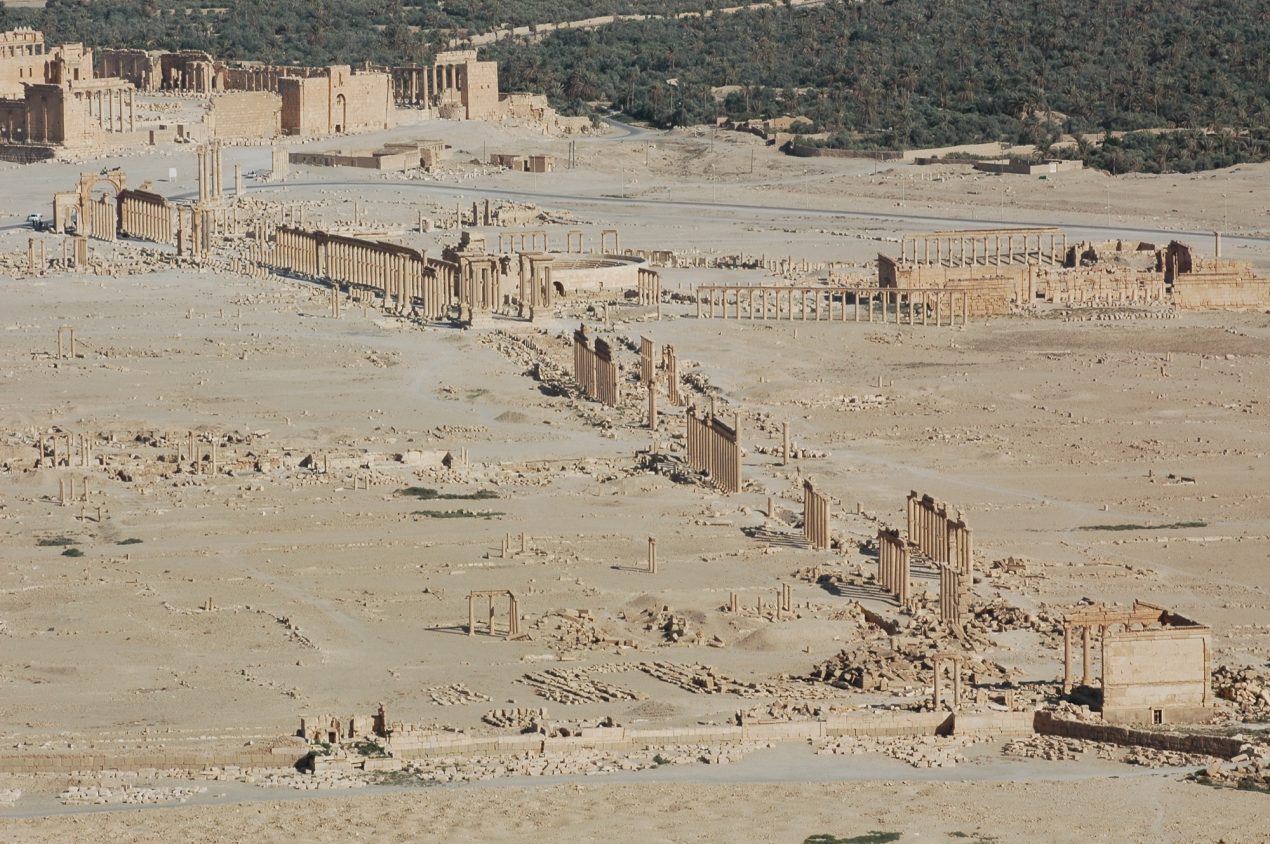
Heritage names both a condition and a disciplinary horizon in landscape architecture. As a condition, it denotes the material and immaterial traces of past cultures, practices, and ecologies that shape the possibilities of contemporary design. As a disposition, it extends into a theoretical field where issues of preservation, adaptation, and cultural value are negotiated across disciplines. Landscape architects work with heritage not only to conserve but also to reinterpret, allowing inherited landscapes to become sites where values are expressed, contested, and transformed.
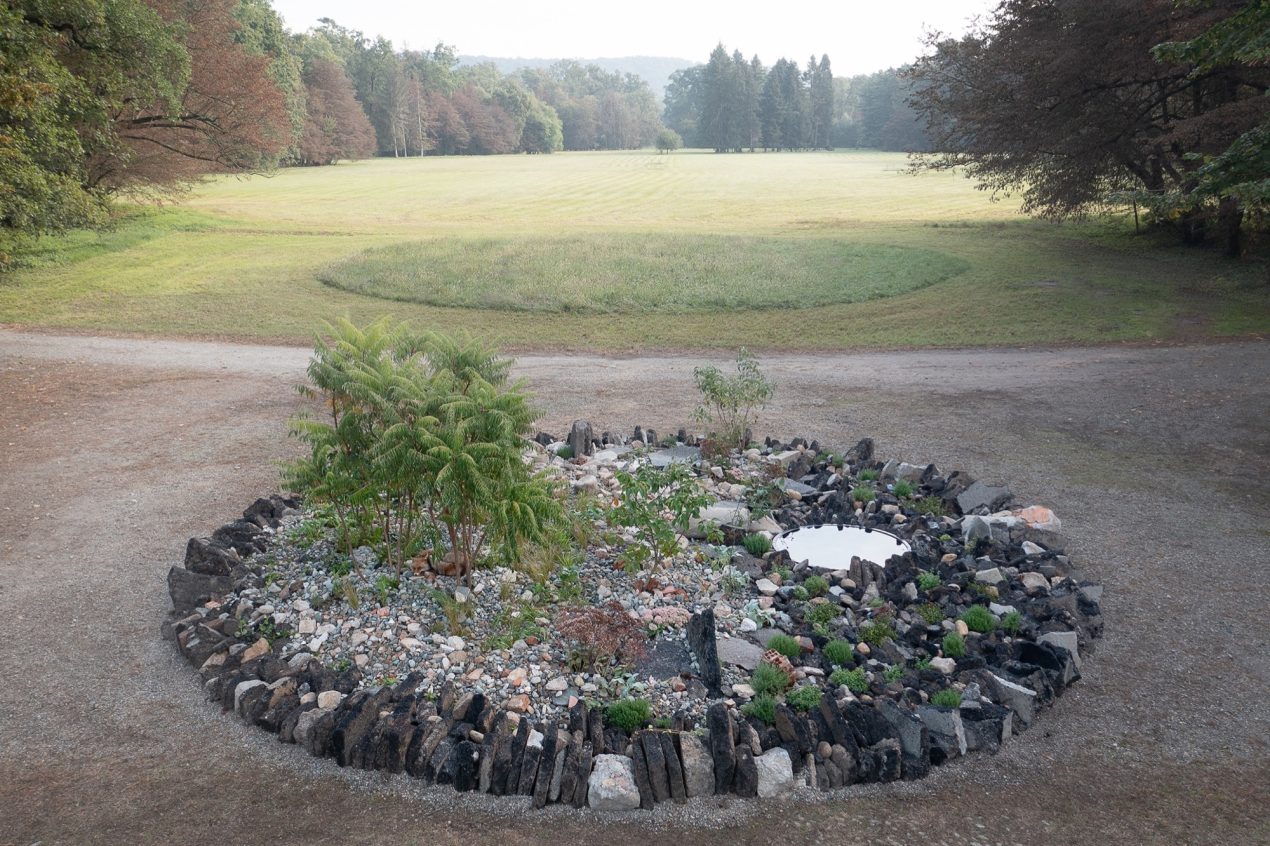
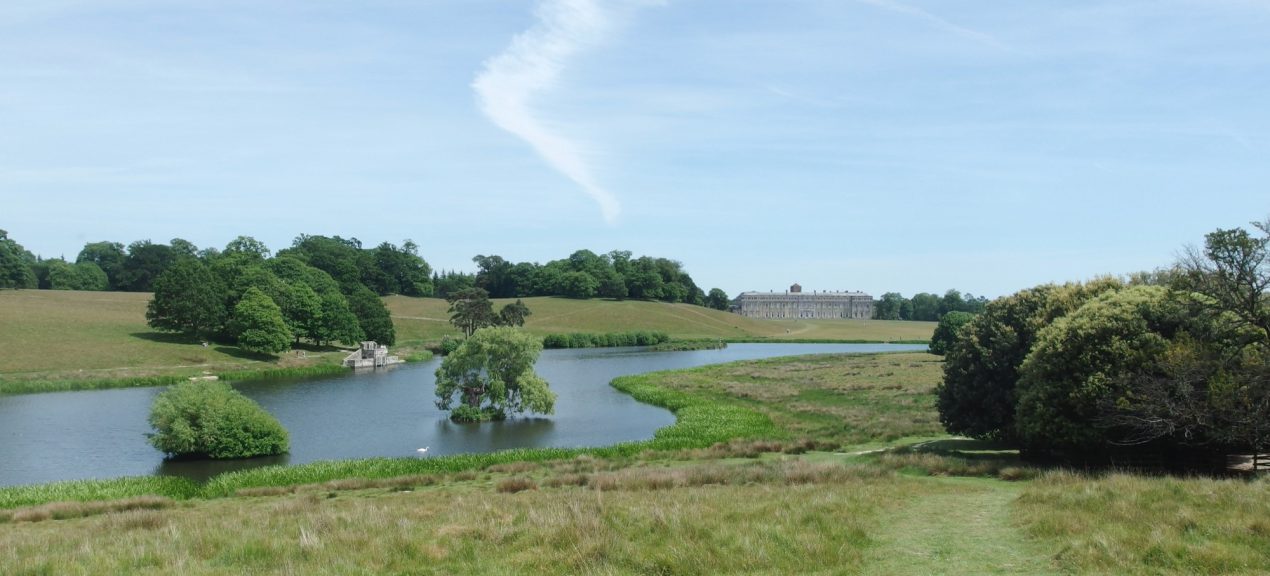
Historic gardens are in most cases preserved through visual continuity, yet climate change exposes the ecological instability beneath their timelessness. The article argues that heritage landscapes are to reveal, not conceal, this rupture—shifting toward a cultivated sense of change.
Robert Schäfer and Urška Škerl speak to Mechtild Rössler about the evolving World Heritage Convention. They discuss the defining threat of climate change, the imbalance of the World Heritage List, and how landscape architecture—through “sponge city” concepts—can protect global heritage.
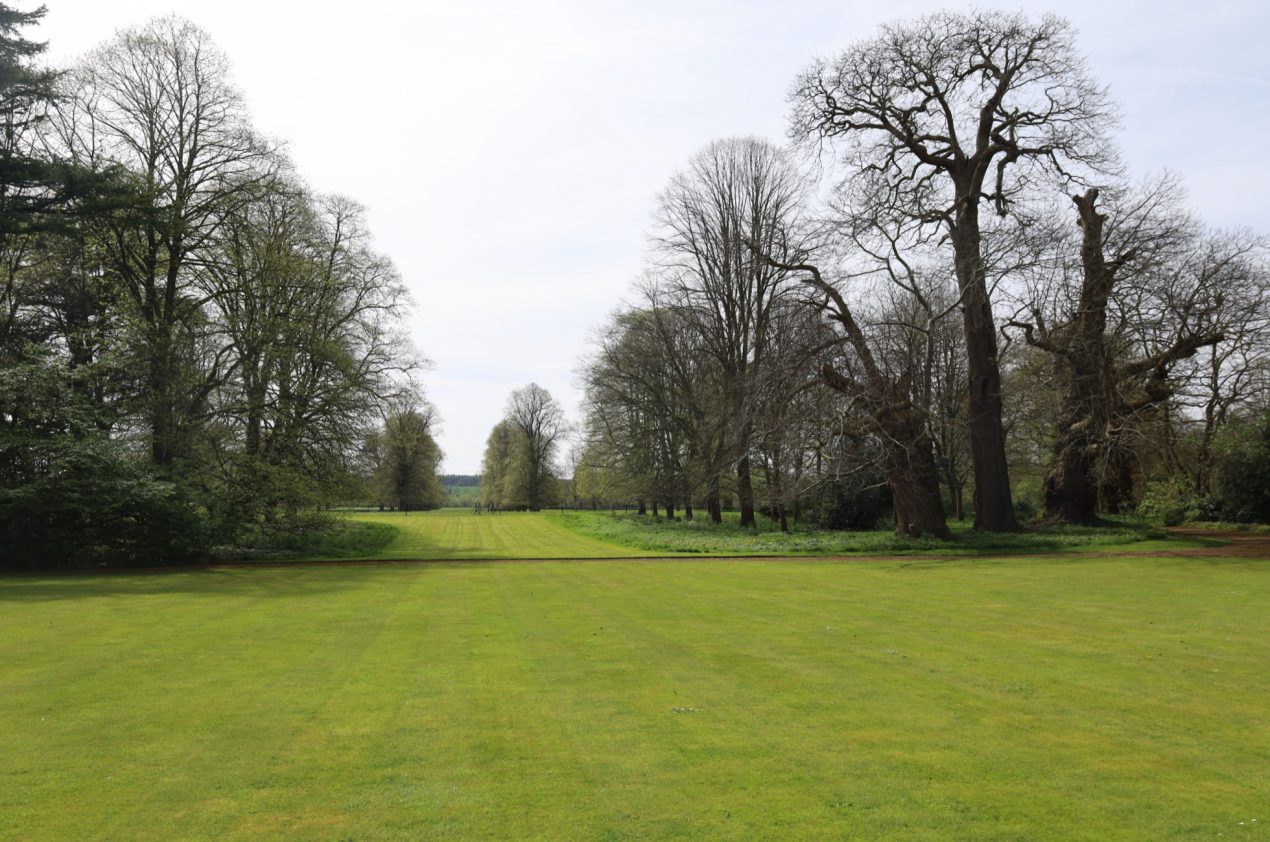
Britain is on the verge of compromising one of its most extraordinary designed landscapes. Developers propose to impale Rousham’s designed sightlines with tall commercial buildings and three titanic wind turbines. The public can still send comments to Cherwell District Council’s planning department before December 26.
Franz Reschke Landschaftsarchitektur: As part of the Höxter 2023 Garden Show, the archaeology park was newly created on the vast areas in the Corvey Weserbogen. The traces of the town of Corvey, which was destroyed by the Höxterans in 1165, are only around 20 cm below the current ground level in places. Only in the […]
Exploring the interplay between low-res design and the transience of landscapes, this essay foregrounds the notion of resolution, enquiring about a dynamic interaction with landscapes in flux.
One would ask what is a motif today to collect such a volume book about one particular garden. One could answer: Because it’s La Gara, one exclusive example of a manor garden in Geneva that has undergone a continuous transformation by 18 generations of owners, and even squatters, with the first mention in 1555, up […]
Architectural Heritage Intervention (AHI) has launched the seventh edition of the European Award AHI, with registrations open from December 18, 2024, to March 14, 2025. A benchmark for heritage intervention since its inception in 2013, the award recognizes excellence across disciplines. The biennial event is jointly organized with the Architects’ Association of Catalonia and supported […]
Dušan Ogrin (1929-2019) was the pioneer of Slovenian landscape architecture. In 1972, he founded the Landscape Architecture programme at the University of Ljubljana. His seminal work The World Heritage of Gardens was published in 1993, so it was not too far-fetched to dedicate a book in his memory to the topic of gardens. The editors […]
As we confront the growing ecological crisis, it becomes increasingly difficult to argue that harmonious aesthetics, designed primarily for pleasure and ease, are always the most effective mode of expression. Perhaps there is space to question whether ecological efforts demand a different aesthetic attitude, one less fixated on traditional notions of balance and spatial conformity and more open to dissensus and confrontation.
In the current debate about climate change and its disruptive effects on the health of people and ecosystems, the reclamation of the ‘right to the environment’ has gained momentum, both in theoretical accounts and in legal documents. Yet, it is useful to make a first distinction between the right to the environment and the right of the environment.
Charles Birnbaum is the CEO and founder of TCLF—The Cultural Landscape Foundation. In his work, he is a fearless advocate and activist for significant American landscape architecture sites. He was honored as a 2020 LILA Honour Award Winner for initiating and developing TCLF for over 25 years with an “innovative vision, executed with great precision, […]
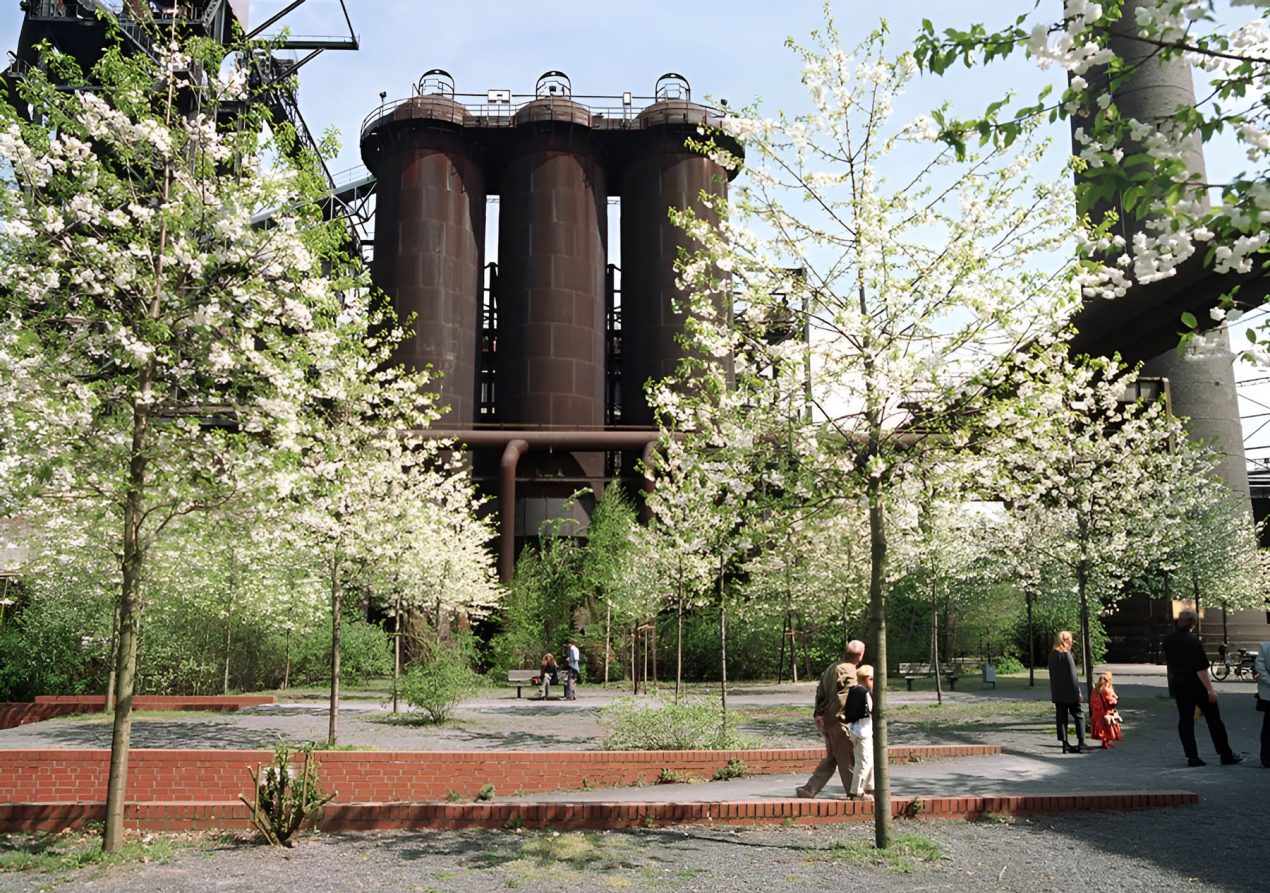
A post-industrial park is typically a sexy landmark, easy to make a story of, photogenic, and a palimpsest in itself. It presents a victory of public use over the private and industrial by opening previously closed-off spaces. A post-industrial park offers some crucial topics of remediation, adaptive reuse, and social integration, among others. For a […]
Mar 13, 2024, at 5 – 6:15pm CET Online Available Register Now “The threatened demolition of Mary Miss’ pioneering and influential site-specific installation Greenwood Pond: Double Site in the permanent collection of the Des Moines Art Center is the impetus for a 75-minute webinar about the significance and importance of land art by women artists. […]
We continue with French philosopher Michel Foucault. In his 1967 speech to an architecture audience, he introduced the concept of “heterotopia”. It was published in 1984 as an essay, Des Espaces Autres (Of Other Spaces), and it deals with the nature of space and its relation to society. Heterotopias are unique spatial entities that challenge conventional notions of space and compel reflection on the social, cultural, and ideological matters of our world.
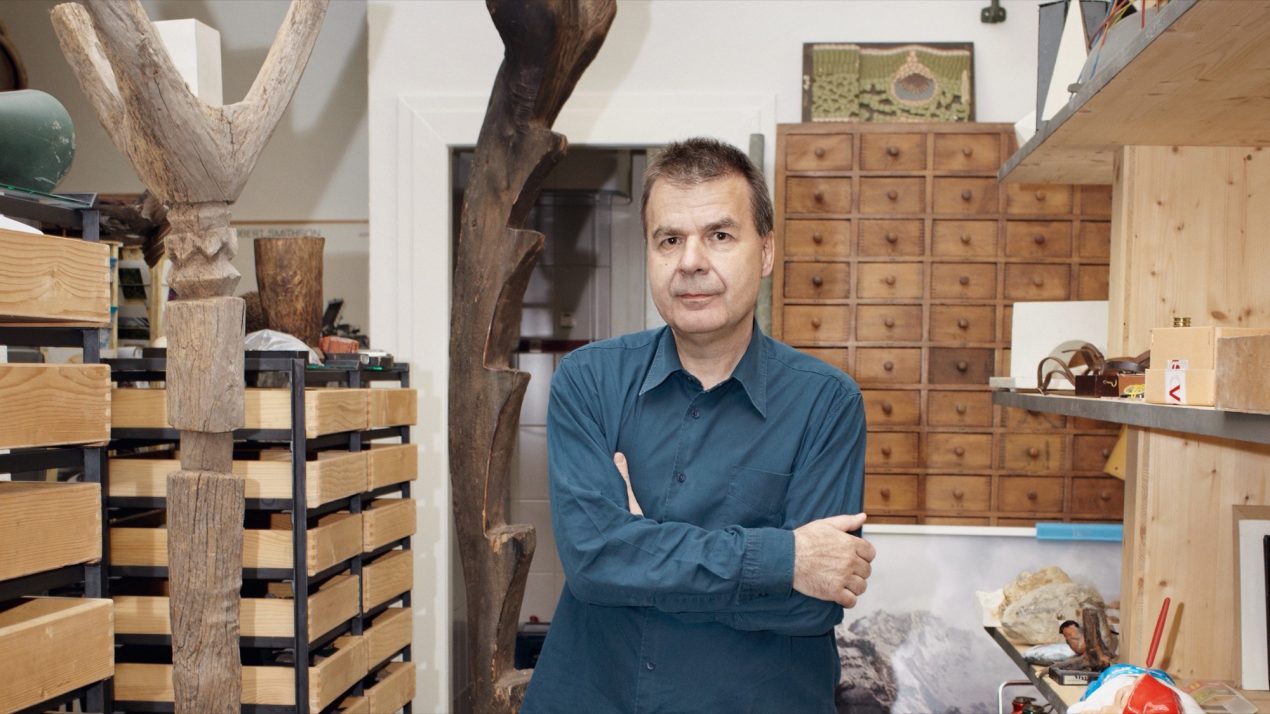
Günther Vogt probably needs no introduction in our profession; he has been an important practitioner for a couple of decades now, appreciated globally for his rich, non-linear and adventurous design approach. Initially, his education was more in the direction of botany. He later shifted to landscape architecture by studying in Rapperswil, Switzerland. After his study […]
New Video Oral History with Julie Bargmann, Inaugural Recipient of the Cornelia Hahn Oberlander International Landscape Architecture Prize, released by The Cultural Landscape Foundation Eighteenth in an ongoing Pioneers of American Landscape Design® video oral history series that documents, collects, and preserves first-hand information from pioneering landscape architects The Cultural Landscape Foundation (TCLF) today announces the release […]
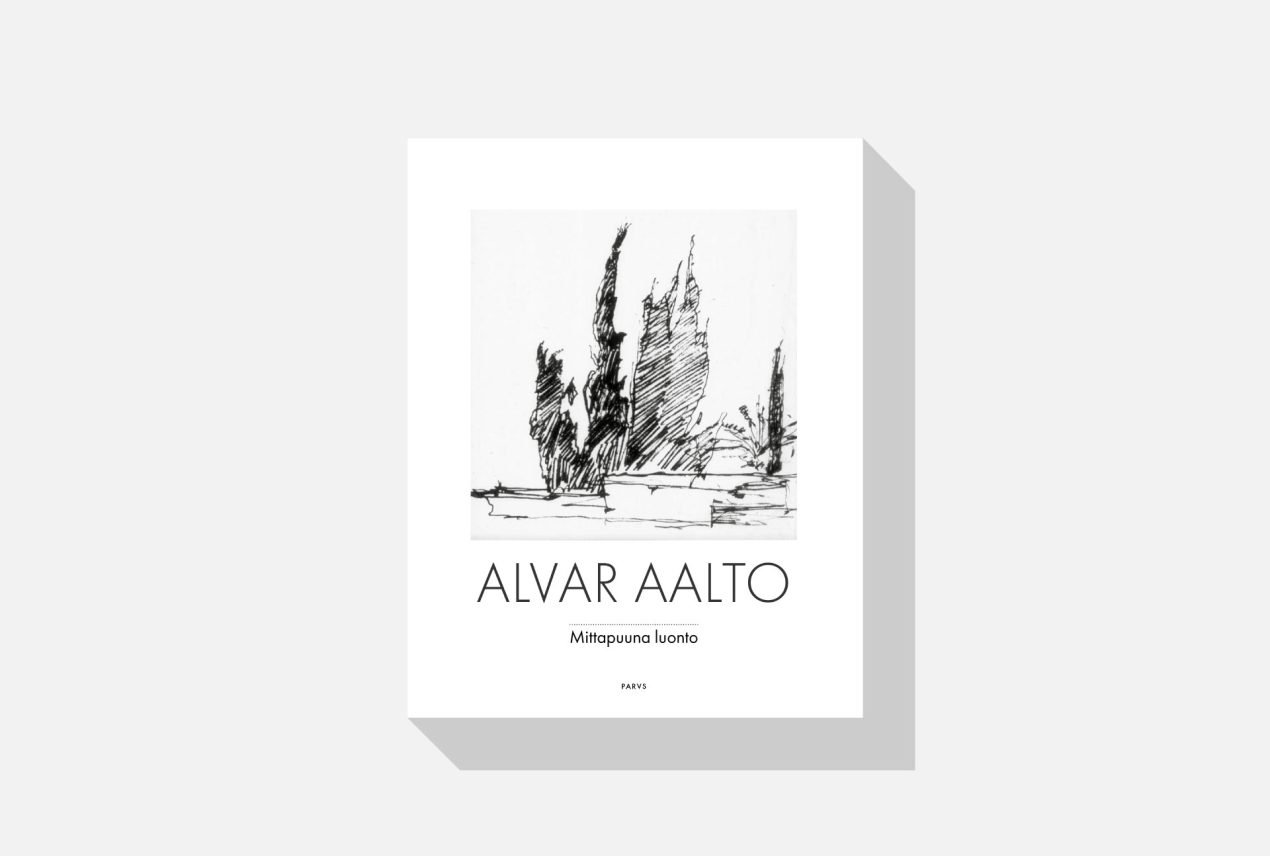
Alvar Aalto, one of the most important architects of modernism, was born 125 years ago. He grew up in Jyväskylä in central Finland. The opening of the Aalto2 museum hub occurred on 27 May as the highlight of the anniversary year. It combines two Alvar Aalto-designed edifices, the Museum of Central Finland (1956-61, 1991) and […]
On the public entrance plaza to the former Nazi Military Base “Grossdeutschland”, built 1937 in Heidelberg, a new plaza design and sound installation reframes and recodes on-site artifacts and original sound fragments of the multi-layered military history of the site, from Nazi terror regime to the re-named U.S. Military Base Campbell Barracks and European Nato […]
Photographs have been taken at the gardens of Versailles, on February 2015. They accompany the Slovenian translation of the tiny but marvellous book Portret srečnega človeka – André le Nôtre 1613–1700 (Portrait d’un home heureux – André le Nôtre 1613–1700), translated from French by Zoja Skušek, *cf., 2016, written by a renown French author Érik Orsenna, who, among other things, for five years presided L’ École nationale supérieure du paysage at Versailles.
To provide the best experiences, we use technologies like cookies to store and/or access device information. Consenting to these technologies will allow us to process data such as browsing behavior or unique IDs on this site. Not consenting or withdrawing consent, may adversely affect certain features and functions.
Functional
Always active
The technical storage or access is strictly necessary for the legitimate purpose of enabling the use of a specific service explicitly requested by the subscriber or user, or for the sole purpose of carrying out the transmission of a communication over an electronic communications network.
Preferences
The technical storage or access is necessary for the legitimate purpose of storing preferences that are not requested by the subscriber or user.
Statistics
The technical storage or access that is used exclusively for statistical purposes.The technical storage or access that is used exclusively for anonymous statistical purposes. Without a subpoena, voluntary compliance on the part of your Internet Service Provider, or additional records from a third party, information stored or retrieved for this purpose alone cannot usually be used to identify you.
Marketing
The technical storage or access is required to create user profiles to send advertising, or to track the user on a website or across several websites for similar marketing purposes.
To provide the best experiences, we use technologies like cookies to store and/or access device information. Consenting to these technologies will allow us to process data such as browsing behavior or unique IDs on this site. Not consenting or withdrawing consent, may adversely affect certain features and functions.
Functional
Always active
The technical storage or access is strictly necessary for the legitimate purpose of enabling the use of a specific service explicitly requested by the subscriber or user, or for the sole purpose of carrying out the transmission of a communication over an electronic communications network.
Preferences
The technical storage or access is necessary for the legitimate purpose of storing preferences that are not requested by the subscriber or user.
Statistics
The technical storage or access that is used exclusively for statistical purposes.The technical storage or access that is used exclusively for anonymous statistical purposes. Without a subpoena, voluntary compliance on the part of your Internet Service Provider, or additional records from a third party, information stored or retrieved for this purpose alone cannot usually be used to identify you.
Marketing
The technical storage or access is required to create user profiles to send advertising, or to track the user on a website or across several websites for similar marketing purposes.