Modernism in architecture and landscape was a movement of the 20th century marked by functionalism, sobriety of form, and rejection of ornament. It aligned with a social project of progress, housing, hygiene, and collective improvement. While it carried utopian aims—better living for all—it also imposed strict forms, sometimes erasing local cultures and ecologies. Modernism unfolded in waves: heroic, brutalist, late-modern, each promising renewal yet often producing alienation. Its rhetoric of universality often masked its exclusions. Modernism shaped entire cities—housing estates, plazas, infrastructures—setting standards for openness, clarity, and rational order. Today its legacy is both admired and critiqued, leaving behind spaces that can feel both visionary and harsh, in need of re-interpretation rather than nostalgia.
Topophilia, the affective bond to place, presumes duration through which meaning accumulates. Under accelerating transformation, places are altered, degraded, or erased. Design, we argue, cannot produce places, it can only frame conditions where it may emerge and allow for attachment, not secure it.
Lars Hopstock’s Idyll and Ideology: Hermann Mattern and the Landscape to Live In is a heavy-lifter historiographic study. Published by Jovis in 2024, the volume arrives as a carefully crafted and tactile artefact in Jagd style, with hunting-green viscose-flocked covers reminiscent of a mounted trophy. Indeed, Hopstock has ventured deeply into archival “woods”, emerging with meticulous evidence and nuanced narratives around Hermann Mattern (1902–1971), one of Germany’s most significant yet contentious landscape architects. His expansive research not only sets the bar incredibly high for any similar undertakings but vividly frames Mattern’s navigation between aesthetic idyll and loaded ideology.
The book by the legendary Danish landscape architect, Carl Theodor Sørensen (1893-1979), originally published in 1966, is for the first time published in English, with a foreword by Joost Emmerik and an Introduction by Lodewijk Wiegersma. Published by Blawdruk Publishers and Sonja Poll, the 39 Unusual Gardens for an Ordinary House is a landmark book […]
Charles Birnbaum is the CEO and founder of TCLF—The Cultural Landscape Foundation. In his work, he is a fearless advocate and activist for significant American landscape architecture sites. He was honored as a 2020 LILA Honour Award Winner for initiating and developing TCLF for over 25 years with an “innovative vision, executed with great precision, […]
Awarded the prestigious 2023-2024 International Carlo Scarpa Prize for Gardens, the Espacio Escultórico in Pedregal de San Ángel, Mexico City, is celebrated for its blend of art, nature, and history. This accolade, orchestrated by the Fondazione Benetton Studi Ricerche, shines a spotlight on spaces that embody extraordinary qualities of creativity, historical depth, and natural particularities. […]
Günther Vogt probably needs no introduction in our profession; he has been an important practitioner for a couple of decades now, appreciated globally for his rich, non-linear and adventurous design approach. Initially, his education was more in the direction of botany. He later shifted to landscape architecture by studying in Rapperswil, Switzerland. After his study […]
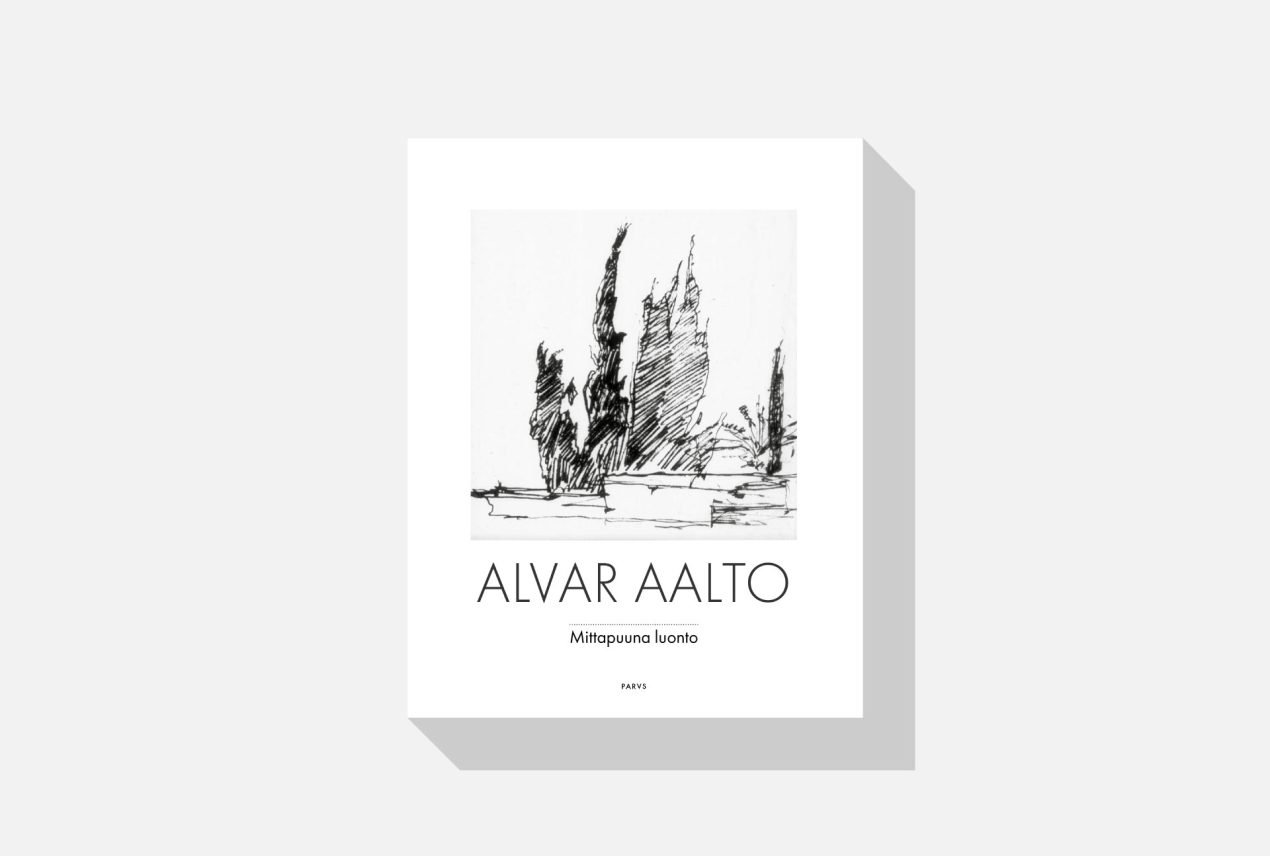
Alvar Aalto, one of the most important architects of modernism, was born 125 years ago. He grew up in Jyväskylä in central Finland. The opening of the Aalto2 museum hub occurred on 27 May as the highlight of the anniversary year. It combines two Alvar Aalto-designed edifices, the Museum of Central Finland (1956-61, 1991) and […]
To provide the best experiences, we use technologies like cookies to store and/or access device information. Consenting to these technologies will allow us to process data such as browsing behavior or unique IDs on this site. Not consenting or withdrawing consent, may adversely affect certain features and functions.
Functional
Always active
The technical storage or access is strictly necessary for the legitimate purpose of enabling the use of a specific service explicitly requested by the subscriber or user, or for the sole purpose of carrying out the transmission of a communication over an electronic communications network.
Preferences
The technical storage or access is necessary for the legitimate purpose of storing preferences that are not requested by the subscriber or user.
Statistics
The technical storage or access that is used exclusively for statistical purposes.The technical storage or access that is used exclusively for anonymous statistical purposes. Without a subpoena, voluntary compliance on the part of your Internet Service Provider, or additional records from a third party, information stored or retrieved for this purpose alone cannot usually be used to identify you.
Marketing
The technical storage or access is required to create user profiles to send advertising, or to track the user on a website or across several websites for similar marketing purposes.
To provide the best experiences, we use technologies like cookies to store and/or access device information. Consenting to these technologies will allow us to process data such as browsing behavior or unique IDs on this site. Not consenting or withdrawing consent, may adversely affect certain features and functions.
Functional
Always active
The technical storage or access is strictly necessary for the legitimate purpose of enabling the use of a specific service explicitly requested by the subscriber or user, or for the sole purpose of carrying out the transmission of a communication over an electronic communications network.
Preferences
The technical storage or access is necessary for the legitimate purpose of storing preferences that are not requested by the subscriber or user.
Statistics
The technical storage or access that is used exclusively for statistical purposes.The technical storage or access that is used exclusively for anonymous statistical purposes. Without a subpoena, voluntary compliance on the part of your Internet Service Provider, or additional records from a third party, information stored or retrieved for this purpose alone cannot usually be used to identify you.
Marketing
The technical storage or access is required to create user profiles to send advertising, or to track the user on a website or across several websites for similar marketing purposes.