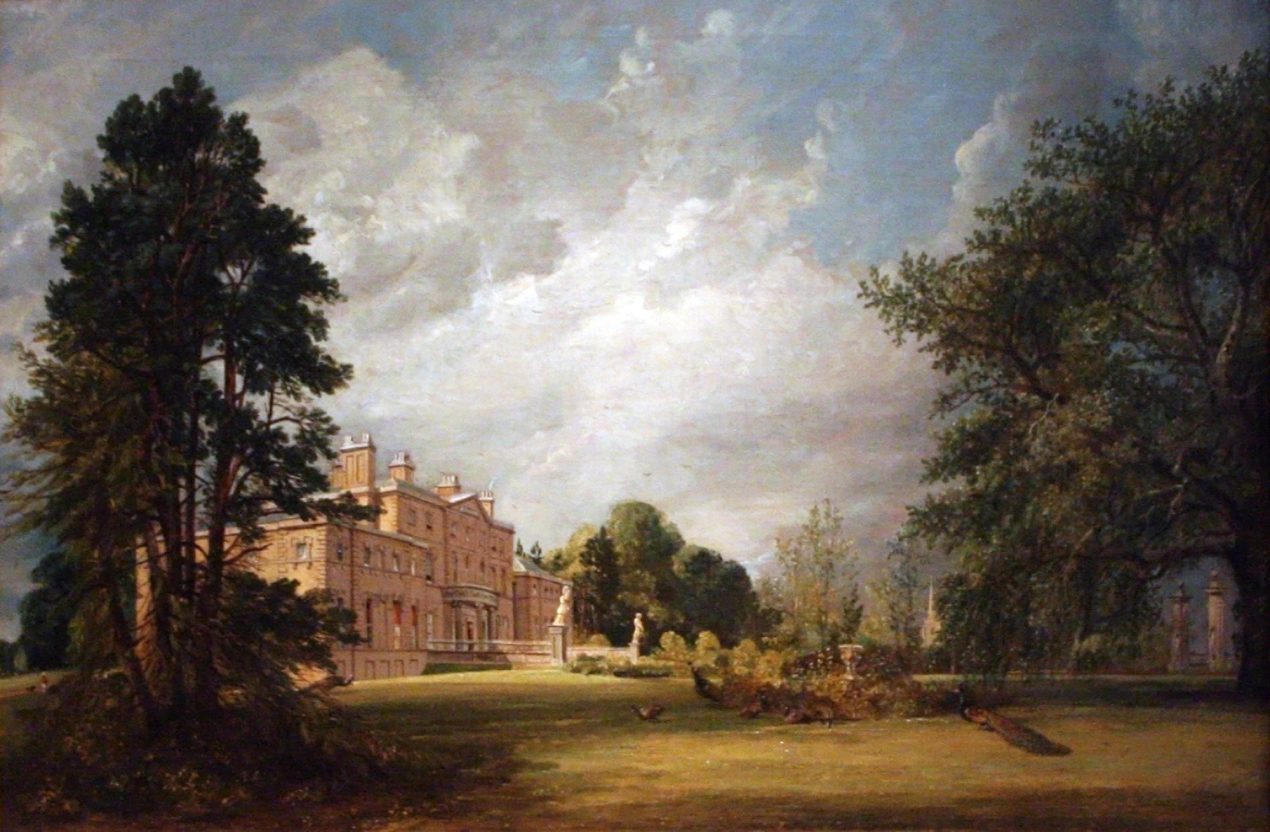
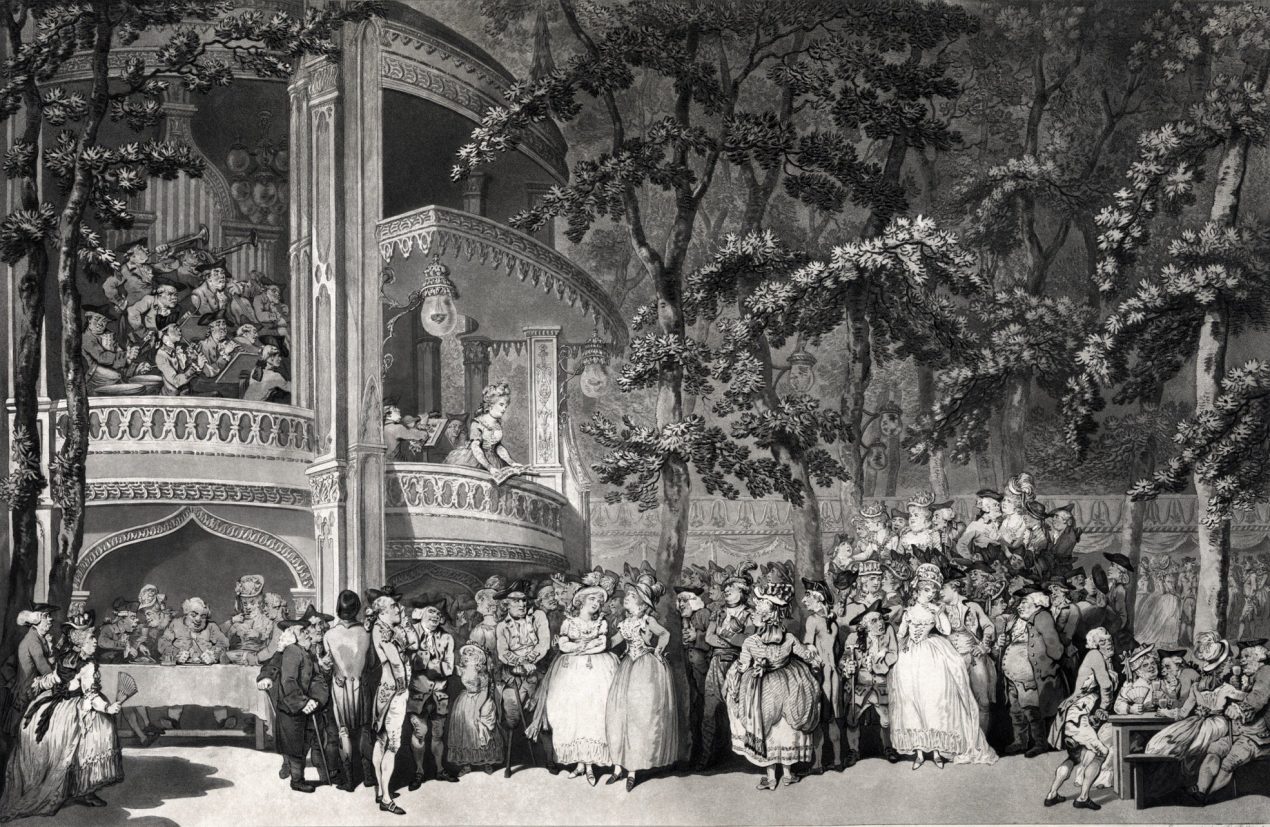
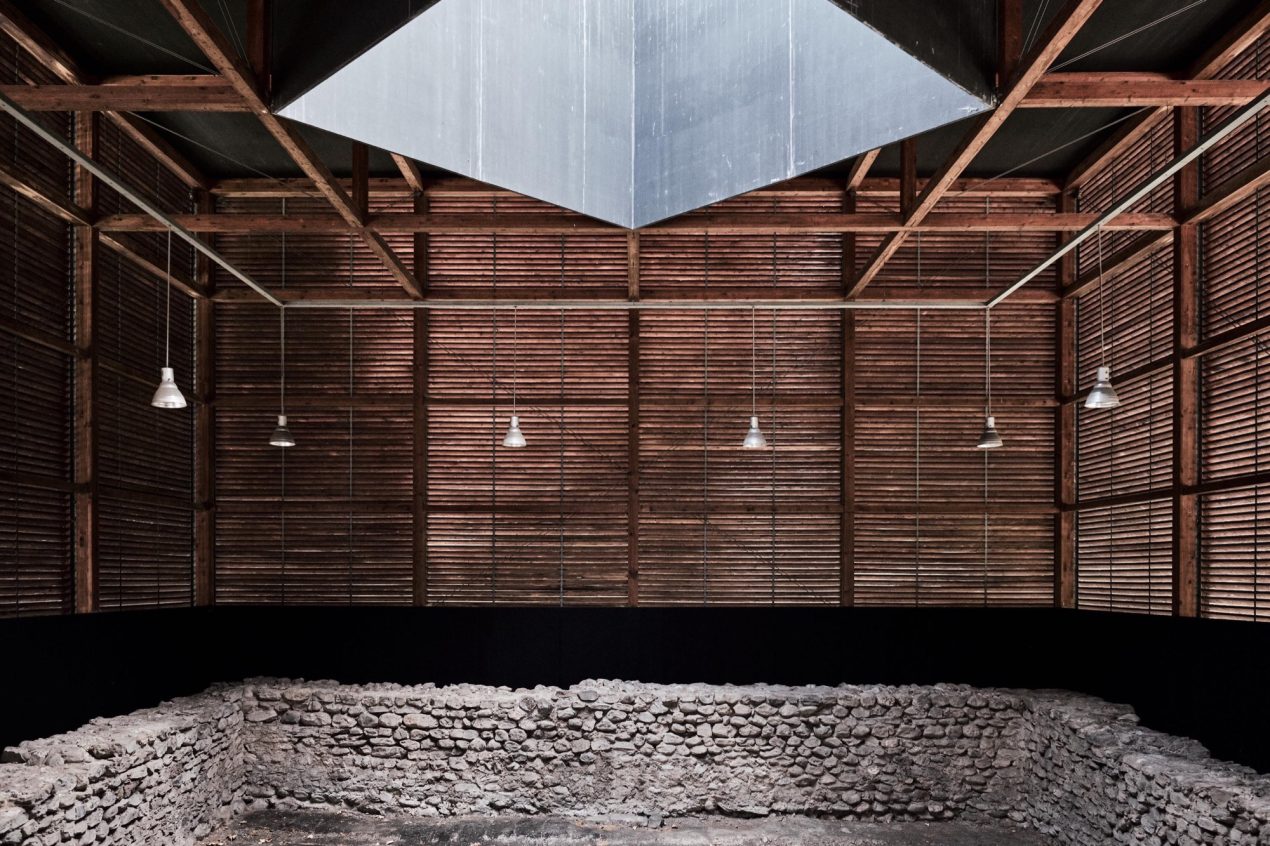
Landscape architecture is the discipline of designing outdoor environments, from gardens to territories. The term itself has roots in 18th-century British landscape painting, where “landscape” was first framed as an aesthetic category. The French designer Jean-Marie Morel (1728–1810) is credited with formulating architecte-paysagiste, first describing himself as architecte et paysagiste before the title became formalized at his death. This origin matters: landscape architecture emerged from artifice and representation, bound up with colonial and aristocratic ideals of scenery. To decolonize the field is to question these beginnings and the exclusions they carried. Since then, landscape architecture has grown into a global practice entangled with ecology, planning, infrastructure, public space, and politics. Today, the discipline continues to expand, digesting vast issues of climate crisis, biodiversity, social justice, and community life. It is no longer only about arranging scenery but about negotiating survival and meaning across scales, situating it in public perception for confrontation, reflection, and possibly - political action.
Jürgen Weidinger on the pressures shaping landscape architecture today — from climate anxiety and public budgets to design culture and the next generation, and where the ways forward might be found.
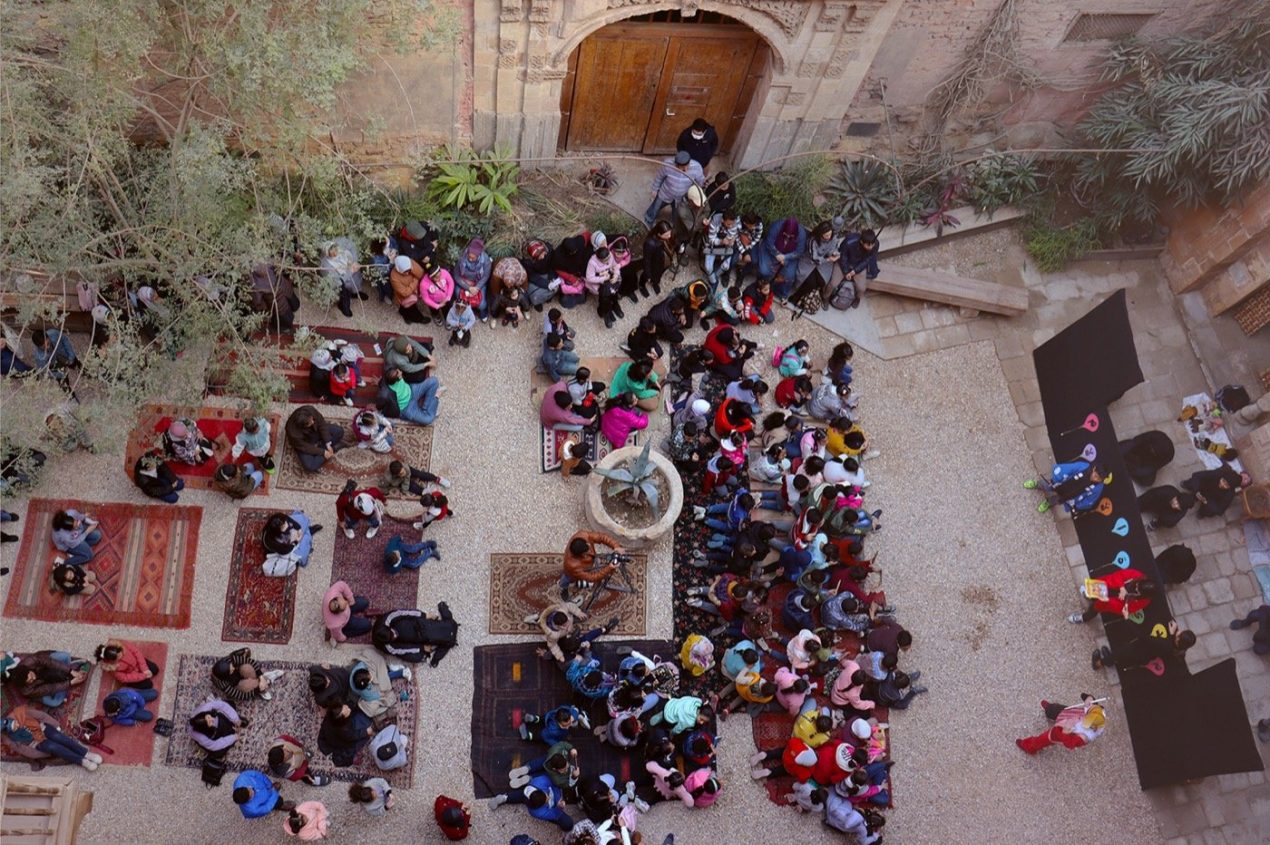
Literature is abundant on enclosed landscapes; from atriums, private gardens and patios, to large courtyards, cemeteries and spaces of worship. One thing seems to be in common to all: enclosure functions not only as a protective device, but also produces a world.
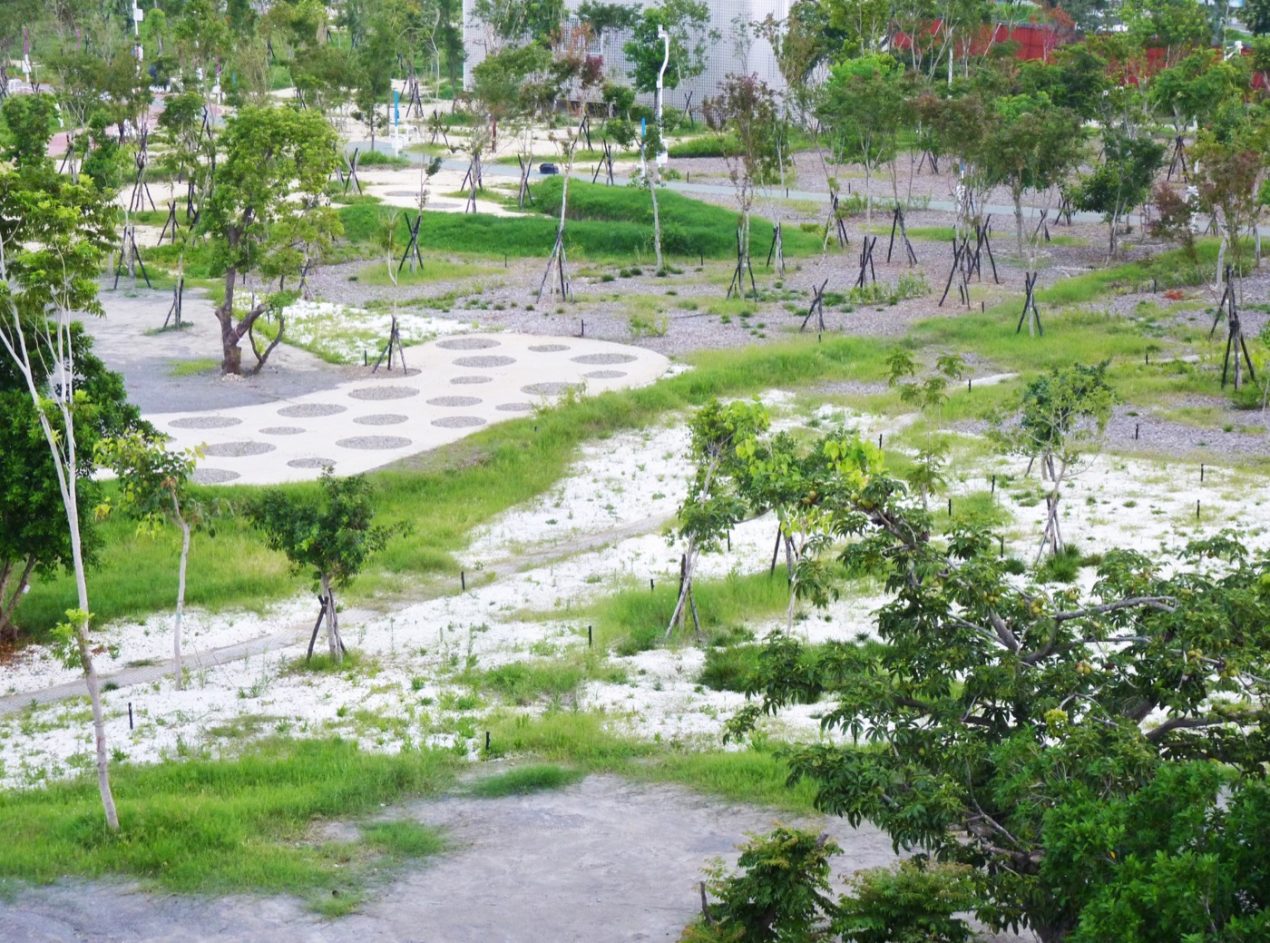
Alessandro Martinelli writes about how Taichung Central Park reveals a conflict between design and governance systems built on institutional trust and “appropriateness”. He stresses that procurement culture, political dynamics, and maintenance regimes can undermine ambitious landscape projects.
We talk to Stephen Buckle about drawing as a thinking tool, landscape as urban system rather than surface, negotiating development pressures, rejecting fixed styles in favour of place response, and why landscape architects must take a stronger leadership role in shaping dense cities.
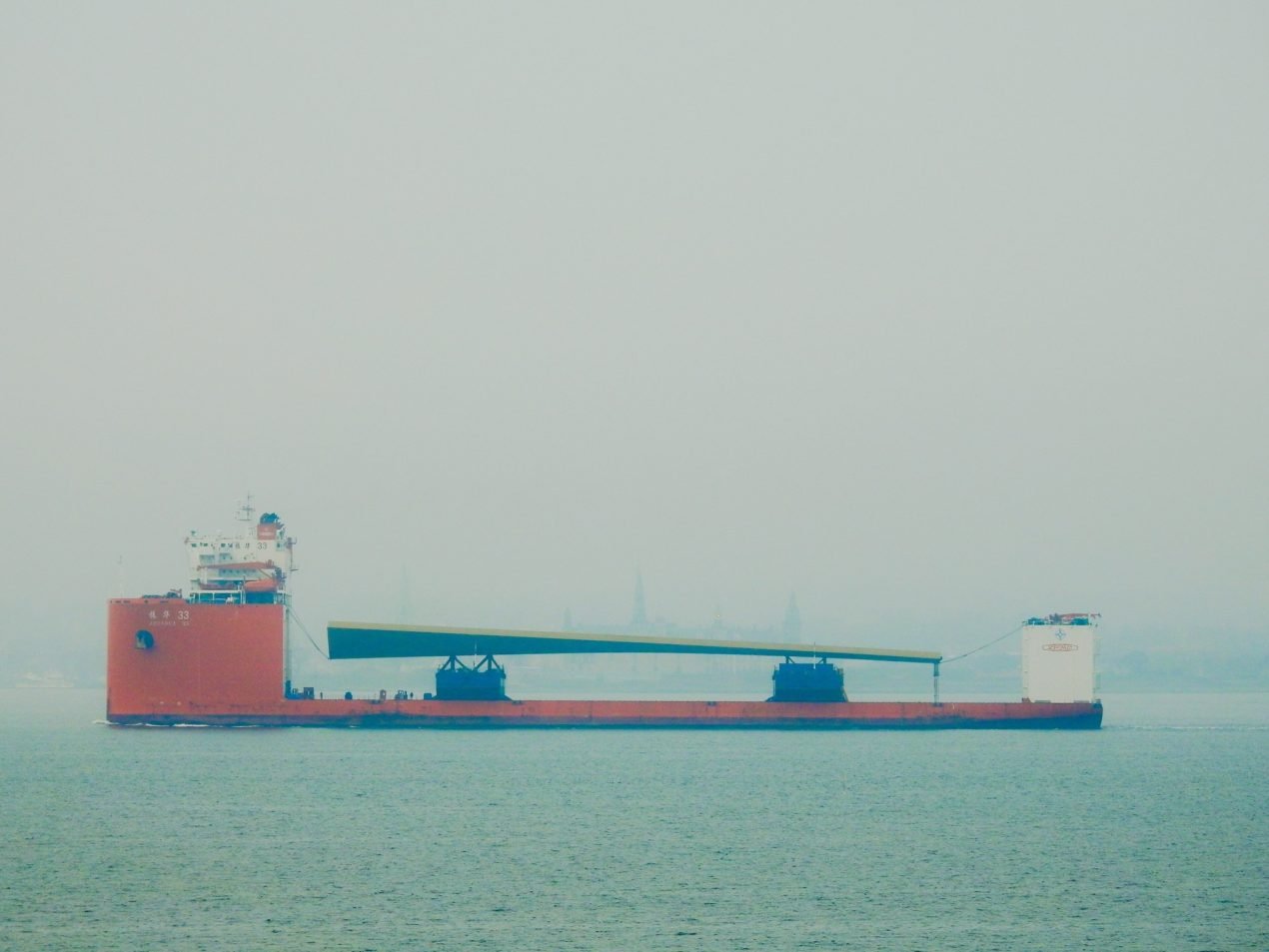
Landscape architecture operates through territorial displacement but rarely narrates it. Sense of place must also include the geographies embedded in supply chains. Otherwise it becomes aesthetic traditionalism, concealing its material contradictions as the ecological crisis unfolds.
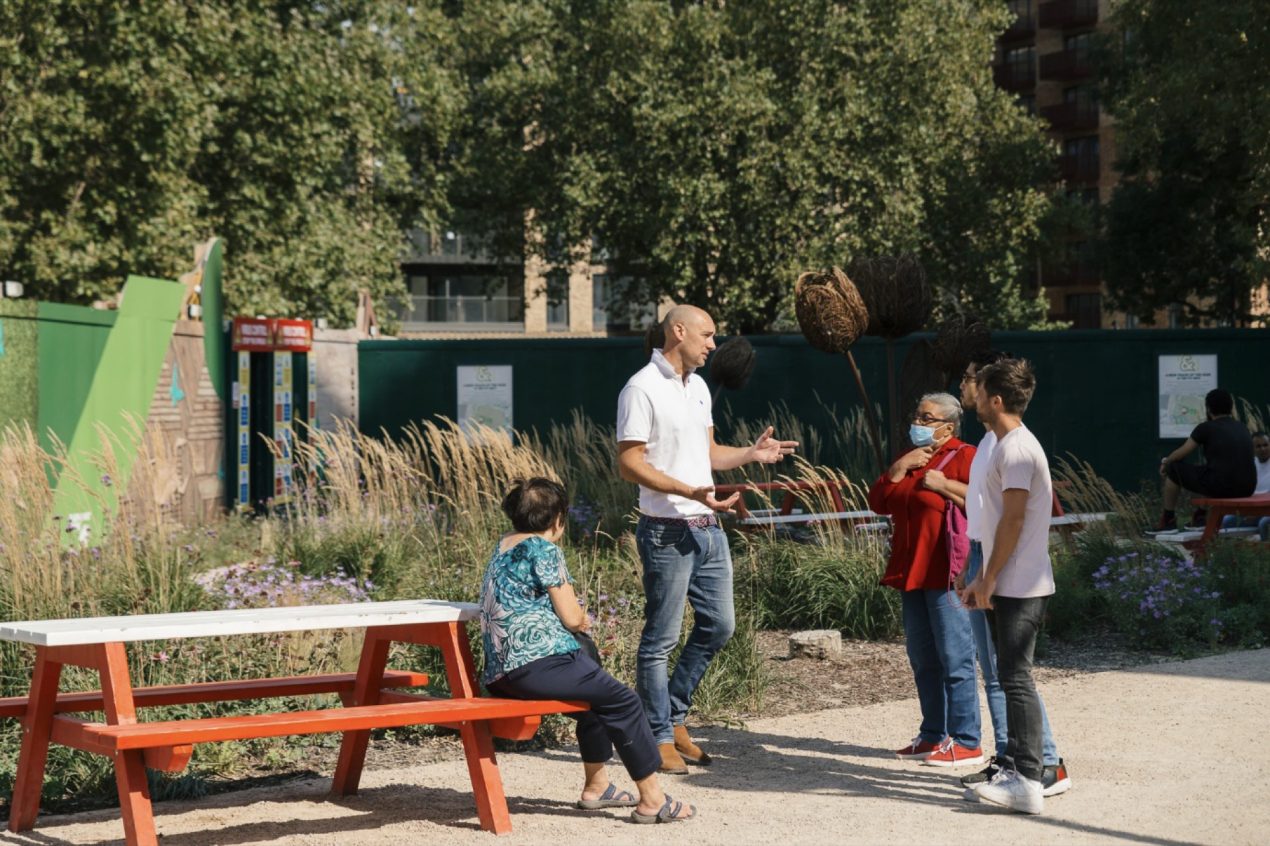
Rob Beswick examines how the Urban Greening Factor and Biodiversity Net Gain are reshaping landscape practice in the UK, arguing that while both policies advance environmental recovery, their success depends on integrating metrics with design quality, social value, and long-term resilience.
Historic gardens are in most cases preserved through visual continuity, yet climate change exposes the ecological instability beneath their timelessness. The article argues that heritage landscapes are to reveal, not conceal, this rupture—shifting toward a cultivated sense of change.
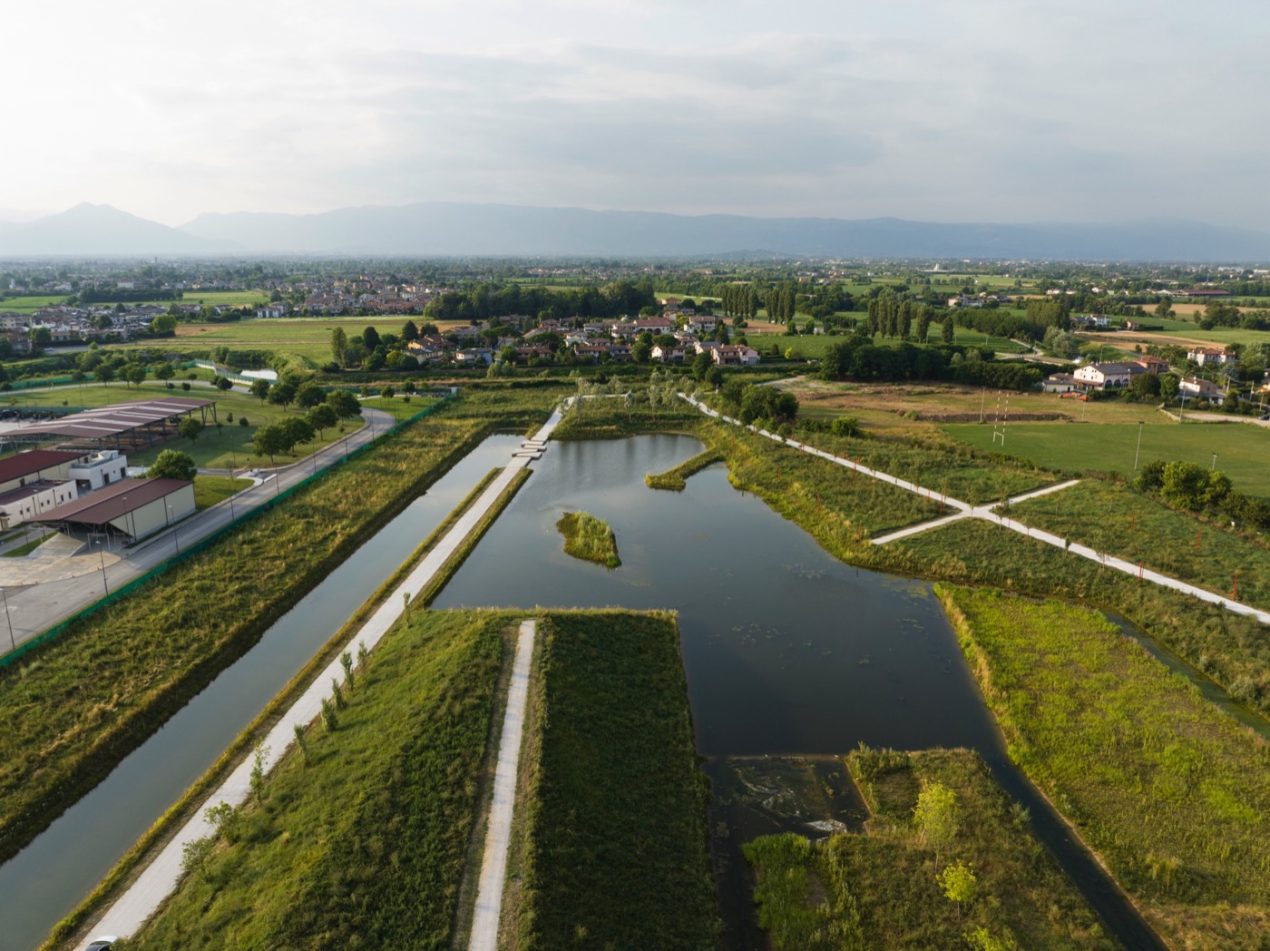
An interview with PAN Associati and EMF on the LILA 2025-winning Parco della Pace. Born from a former military airfield in Vicenza, this “non-muscular” design uses soil movement and groundwater to create a low-cost, 65-hectare landscape that prioritizes ecological processes.
Kristoffer Holm Pedersen of SLA writes about how architecture media sidelines landscape and urban design. As climate and biodiversity crises intensify, he argues the issue is not just visibility but value, and whether image-driven platforms can host slow, systemic, ecological design.
Robert Schäfer and Urška Škerl speak to Mechtild Rössler about the evolving World Heritage Convention. They discuss the defining threat of climate change, the imbalance of the World Heritage List, and how landscape architecture—through “sponge city” concepts—can protect global heritage.
This text examines adaptive reuse not as an ecological strategy, but as a condition of misfit between material persistence and use. It argues that productive surplus emerges when past and present functions remain simultaneously legible, forcing users to negotiate meaning, norms, and use within a low-resolution landscape.
Air traffic has undergone significant changes since it became available to a wider population. The commercialisation of air travel, supported by reduced costs and technological development, increased the size of passenger terminals and the overall footprint of airports, driving urban and infrastructural transformation. At the same time, the life cycle of an airport is unpredictable, […]
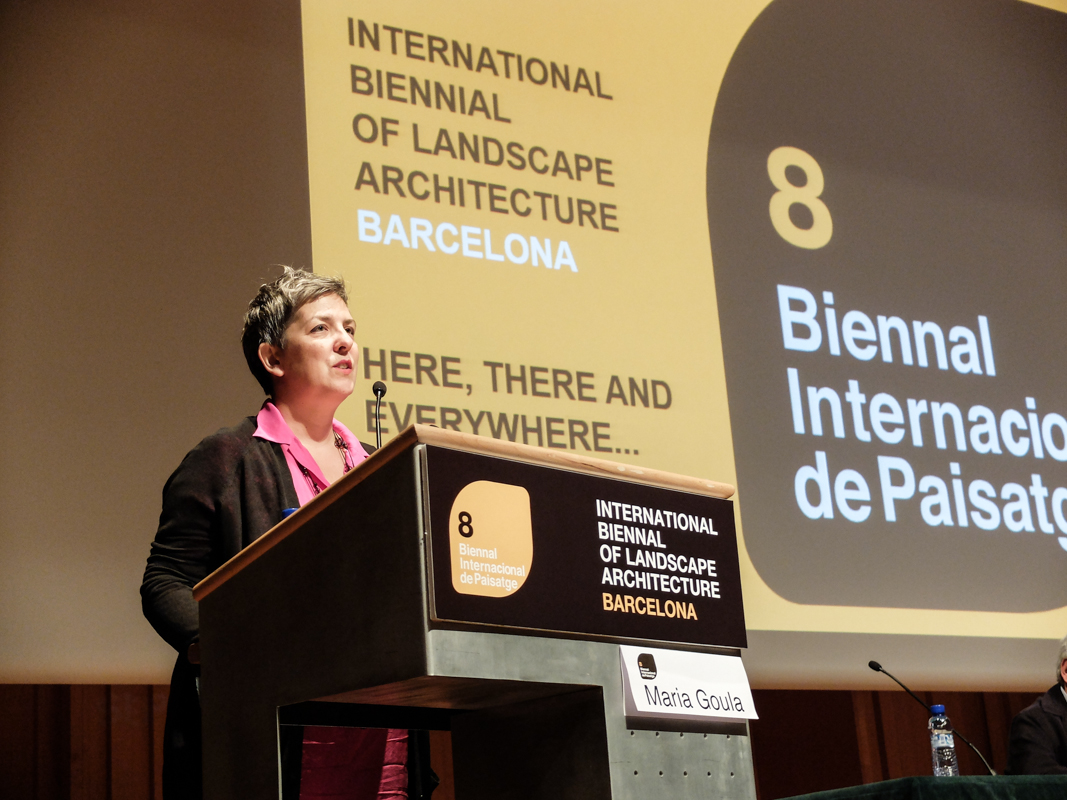
Maria Goula is Professor of Landscape Architecture and department chair at Cornell University. She is a licensed architect and landscape architect, holding a PhD with a focus on Landscape Design Theory. Before joining Cornell, she taught and practised professionally for over twenty years in Barcelona, Spain. Since 2000, she has been a founding member of […]
We spoke with Thomas Woltz about landscape architecture as a fusion of art, science, history, and long-term stewardship, and about the institutional, political, and ecological forces that shape public space.
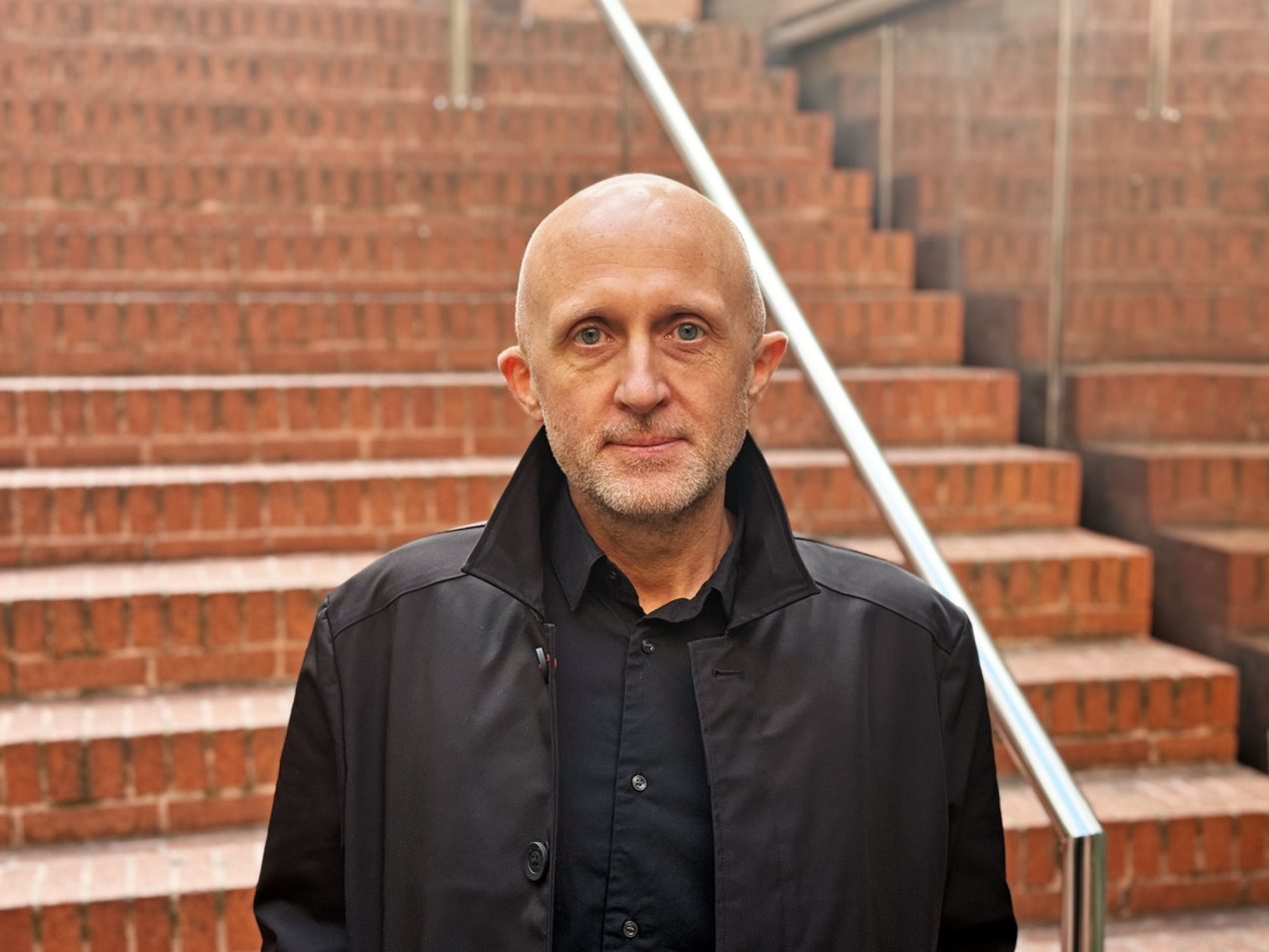
Ed Wall is Professor of Cities and Landscapes at the University of Greenwich, where he leads the Spatial and Digital Ecologies research centre. He is a Visiting Professor at the Politecnico di Milano and has previously served as Visiting Professor at Harvard University Graduate School of Design and also as City of Vienna Visiting Professor […]
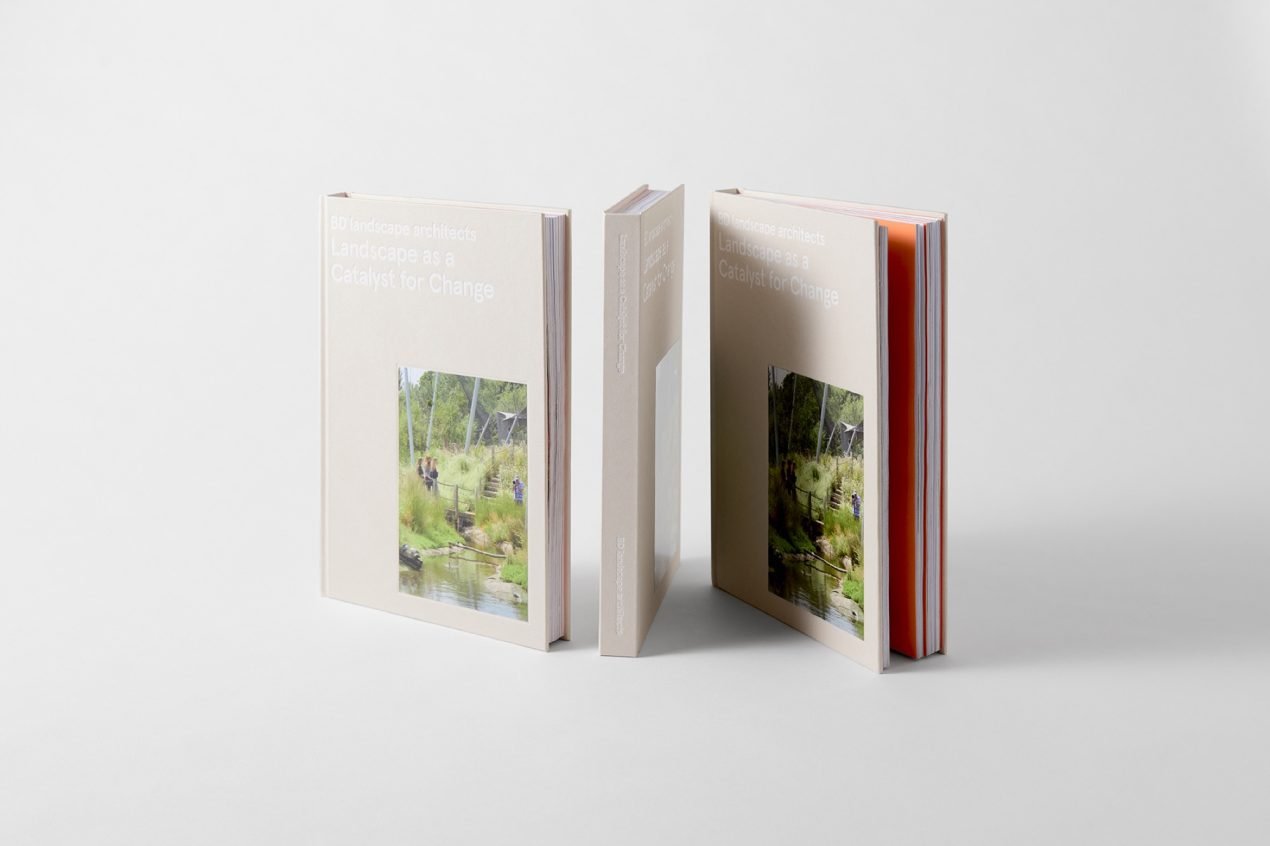
Landscape as a Catalyst for Change presents a cross-section of BD Landscape Architects’ work over the past decade and a half, arranged thematically rather than chronologically. The publication moves through the practice’s core territories—public realm, meanwhile uses, housing, educational landscapes, and community-led projects—before closing with a reflection on the studio’s trajectory and the shifting conditions […]
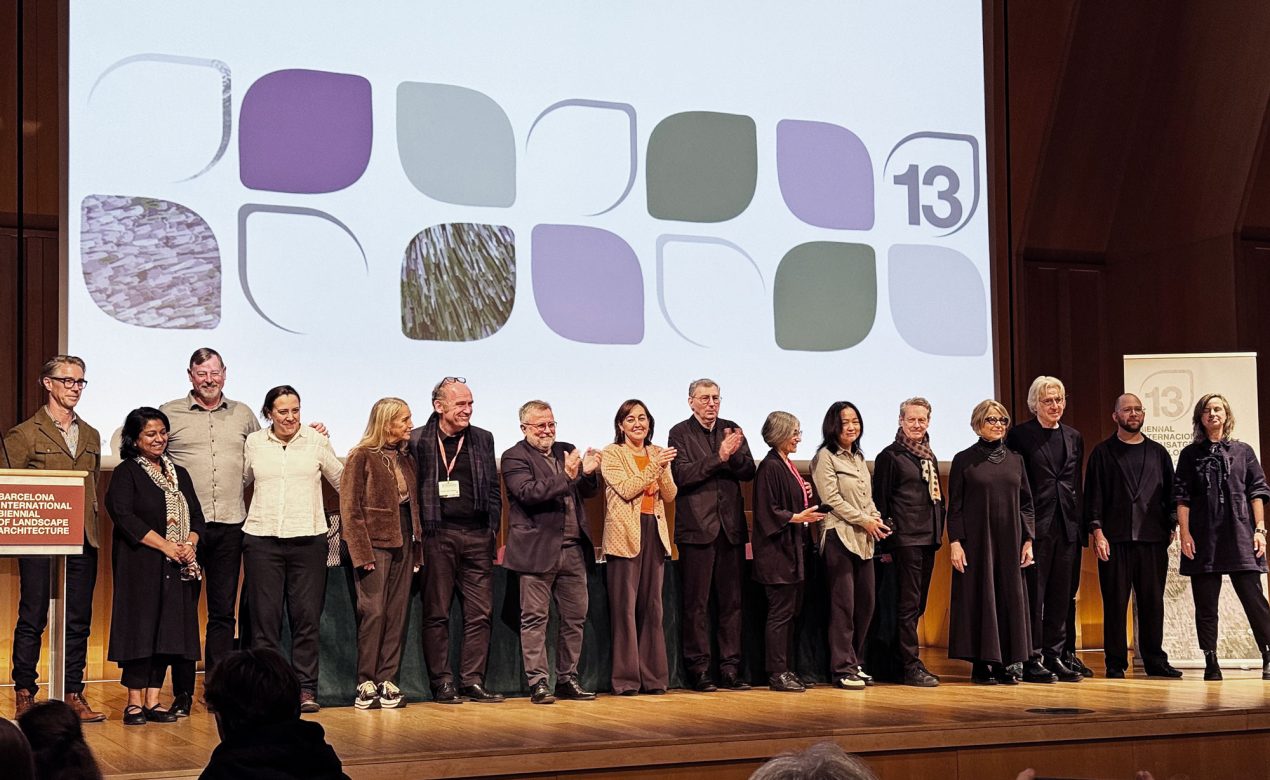
The International Biennial of Landscape Architecture in Barcelona is one of the profession’s most important events. The multiple-day program brings together lectures, presentations, and two awards: the Manuel Ribas Piera International School Prize and the Rosa Barba Casanovas International Landscape Architecture Prize. Traditionally, the Biennial followed a tight two-day core: Rosa Barba finalists presenting on […]
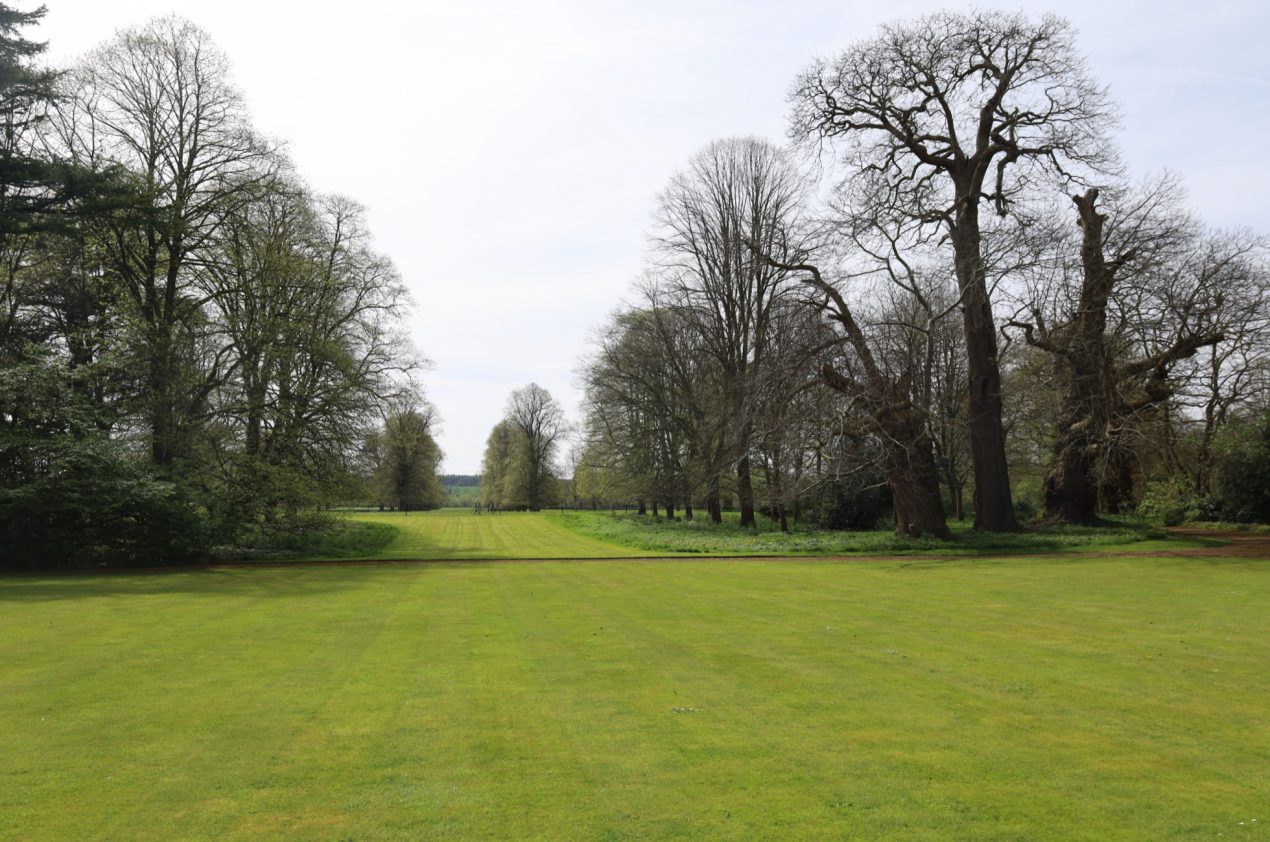
Britain is on the verge of compromising one of its most extraordinary designed landscapes. Developers propose to impale Rousham’s designed sightlines with tall commercial buildings and three titanic wind turbines. The public can still send comments to Cherwell District Council’s planning department before December 26.
The COP30 in Brazil starts today. Felixx developed a catalogue for NBS, presented at COP26. Michiel Van Driessche reflects on the role of landscape architects in global policymaking, and what it means to translate climate goals into tangible strategies — from the Amazon to Groningen.
Dieter Kienast (1945-1998) coined a new generation of landscape architects in encouraging them to adhere to form-driven concepts after the environmental movement and he passed away far too early in 1998 at the age of just 53, at the peak of his career.
The Ten Thesis, written in November 1998 by Dieter Kienast, Chair of Landscape Architecture at ETH Zurich, were published in Anette Freytag’s The Landscapes of Dieter Kienast (Zurich: gta Verlag, 2020). Thomas Skelton-Robinson translated the Ten Theses for this volume from the last amended version, as published in Dieter Kienast: Die Poetik des Gartens; Über […]
“I have always been surprised by this lack of theory — and of history as well. Even prominent colleagues of ours can hardly name five masterworks essential for them … This means that some professionals work in the field without fully knowing what they do when they claim to practice landscape architecture.”
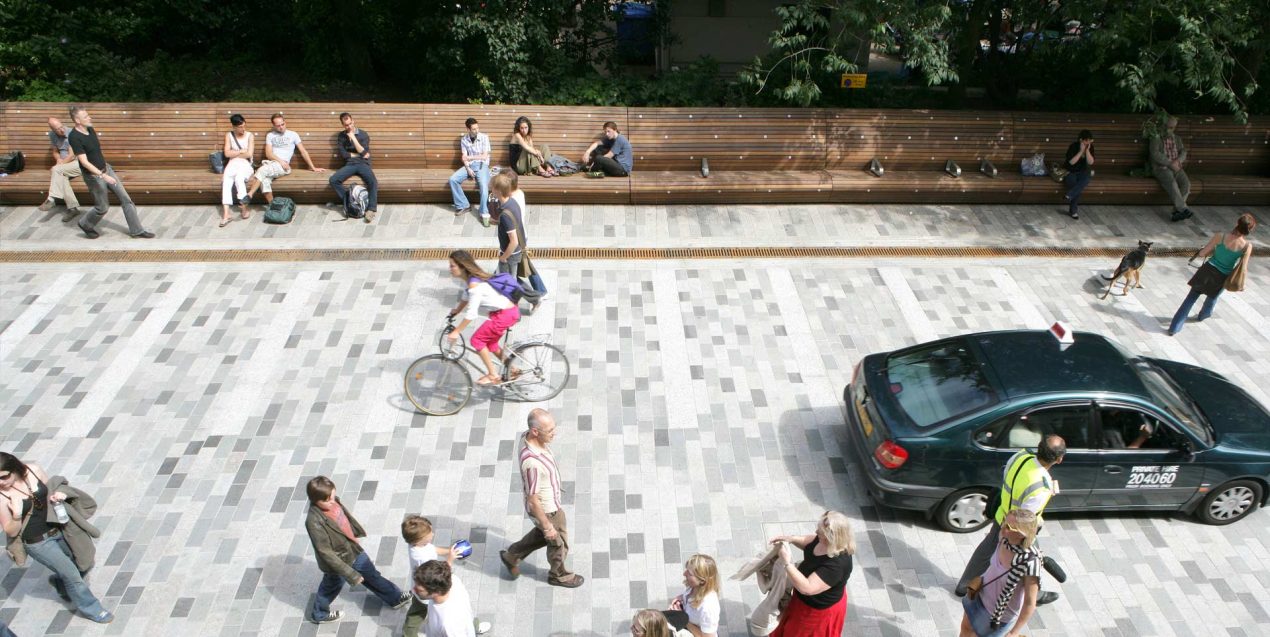
Streets are possibly the most complex public spaces to design. By definition, they are non-rivalrous and non-exclusive public good, granting accessibility to all. Pedestrians, cyclists, public transport, cars, fire and emergency trucks, deliveries—all stake competing claims on the same limited surface. Streets are designed under the highest constraints, yet must provide for everyone.
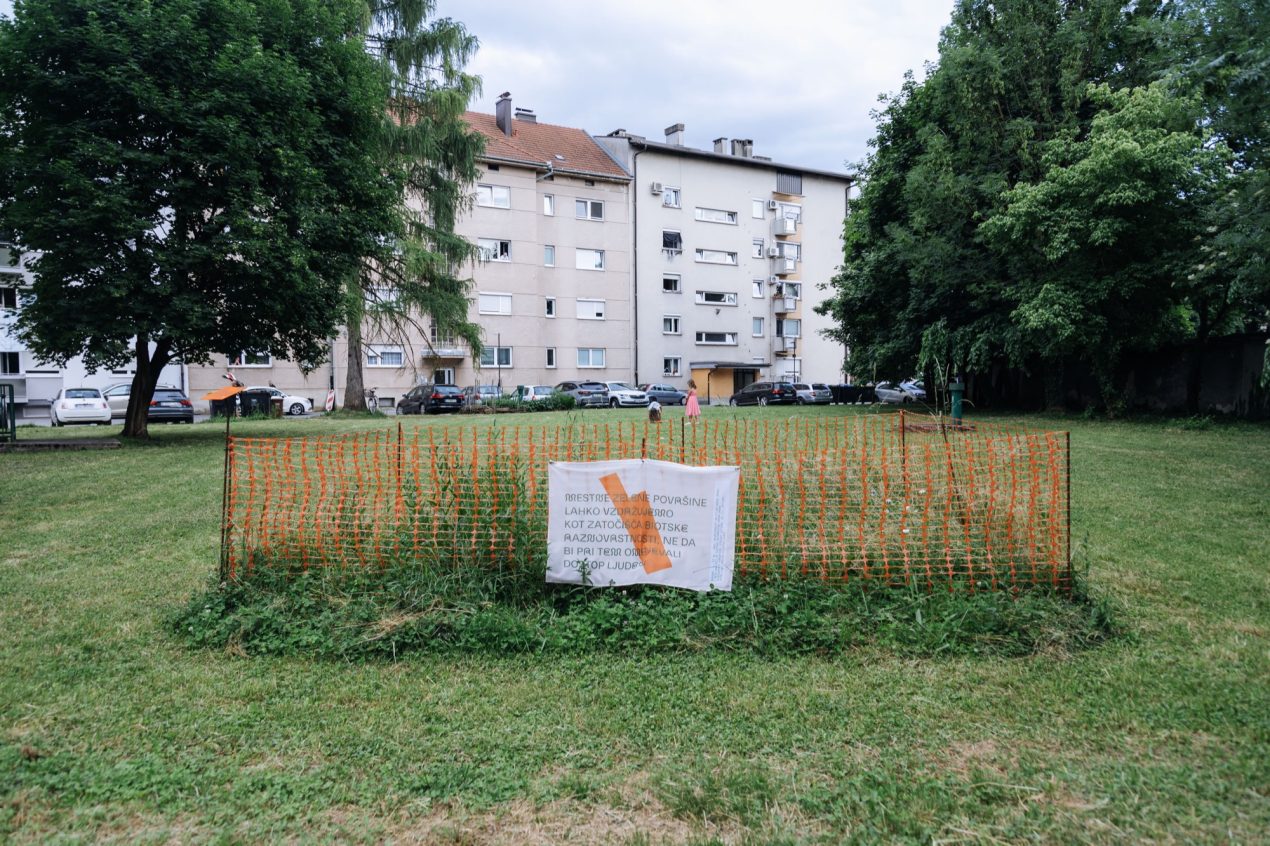
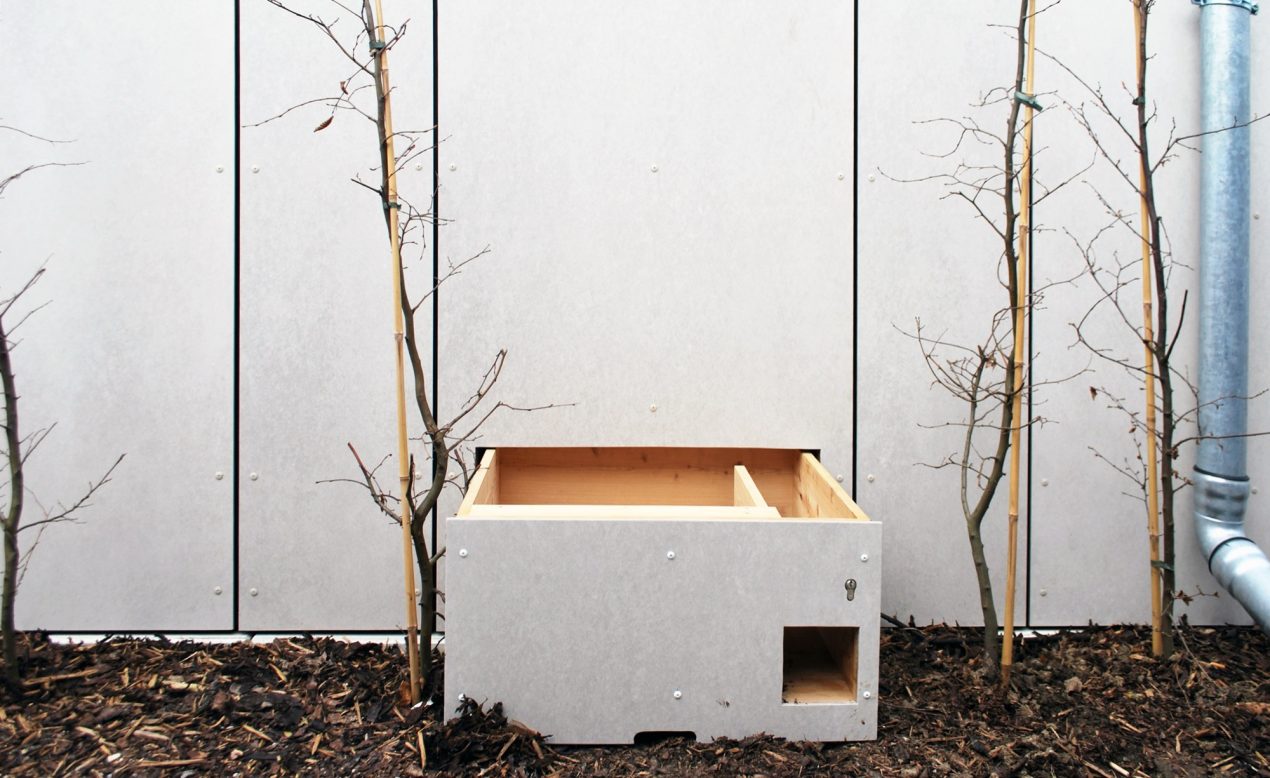
The Krater Collective is a group of transdisciplinary artists who have decided to transform their professions, studios and working conditions in order to act as advocates for a self-determined ecosystem in an abandoned construction pit in Ljubljana. In Crafting Biodiversity, they expand over their fenced-off domain.
Landscape architecture should engage intensively with conviviality—it has the capacity to unify many issues in current theoretical debates and connect the discipline to the global network of the conviviality movement.
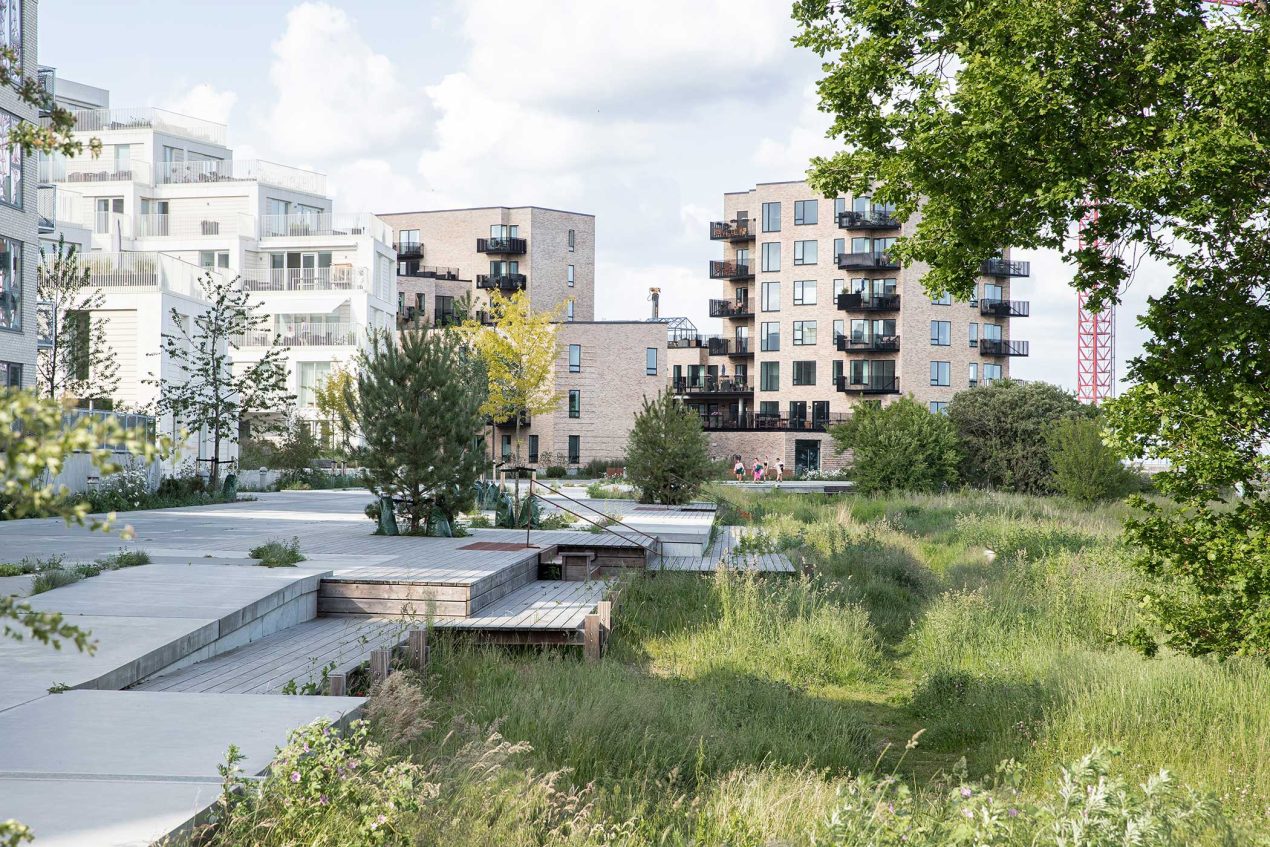
BOGL are the recipients of the 2025 LILA Office Award. They operate from offices in Copenhagen and Oslo with a steady focus on the shared grounds of urban life. Rather than seeking signature forms, the practice has built its reputation on attentiveness — to site conditions, to communities, to the long horizons of climate change, […]
An essay on how we push animals into playing roles — from fables and films to renders of biodiversity and art — tracing how these projections tame, abstract, or estrange, and how synurbists and artists unsettle the human–animal divide.
In the U.S., lawns cover nearly 2 percent of the land surface and, as researcher Cristina Milesi revealed using satellite data, “could be considered the single largest irrigated crop in America”—their total area is three times larger than that of irrigated cornfields. The infatuation with lawns runs so deep that, in some cases, failing to […]
It was 2 AM, and I was still scrolling through thousands of digitized drawings in the Olmsted archive on Flickr. Six hours in, my avocado toast sat half-eaten, but I couldn’t pull myself away. These hand-drawn plans were so much more alive than the sterile digital renderings that I have gotten so used to seeing […]
I have spent the last two weeks conducting field research at a large music festival located in the interior of Portugal. Every day, I would wake up in my tiny tent and walk into a stunning landscape. Walking around the grounds of the festival every morning was my favorite activity, indulging in the lake around […]
Mental health disorders such as depression, post-traumatic stress disorder (PTSD), and paranoid schizophrenia affect masses of people worldwide. These conditions not only challenge individuals but also deeply affect their relatives and communities. While clinical treatments remain essential, there is increasing recognition of the therapeutic role landscapes can play in supporting mental health recovery. Historically, nature […]
Tempelhofer Feld, one of Europe’s largest urban open spaces, has long been a focal point of debate, particularly since its closure as an airport in 2008. Over the years, the site has sparked public protests, legal disputes, and heated discussions about its future. Now, after a highly anticipated international competition, the winning proposals have been […]
How do we represent territories whose histories, economies, and ecologies have been shaped by centuries of extraction, yet are still often perceived as peripheral or empty? 1. Introduction In his book Norrland, journalist Po Tidholm opens with a poem that captures a long-standing reality: northern Sweden has long been a site of resource extraction— iron […]
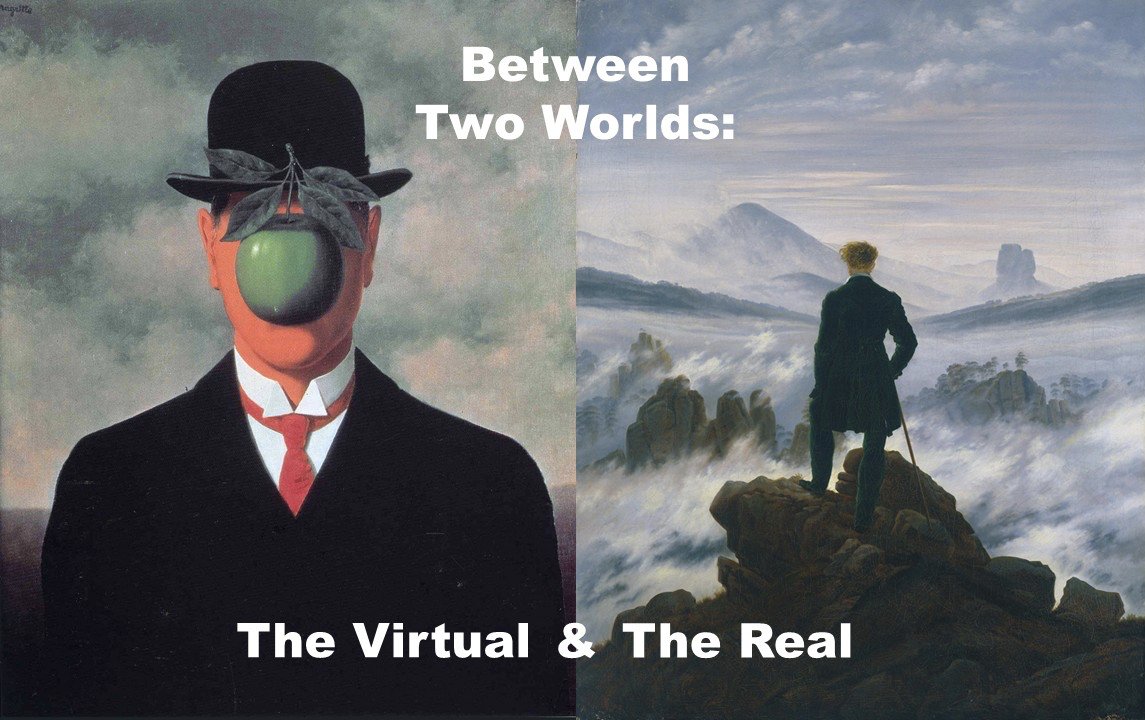
As we celebrate the 25th anniversary of what was formerly called ‘the European Landscape Convention’ spare a thought for upcoming generations: Generation Z and especially Generation Alpha are having a difficult time. They are stuck between a rock and a hard place, between the perils of the real world and the dangers of life in […]
Anna Thurmayr and Dietmar Straub, operating from Winnipeg, Canada, approach landscape architecture less as a matter of monumental authorship and more as a form of quiet insurgency. Their practice resists spectacle, embracing instead small yet resonant gestures, collective processes, and deep attentiveness to context—whether planting 20,000 crocuses into a lawn or constructing an ephemeral Snow […]
Lars Hopstock’s Idyll and Ideology: Hermann Mattern and the Landscape to Live In is a heavy-lifter historiographic study. Published by Jovis in 2024, the volume arrives as a carefully crafted and tactile artefact in Jagd style, with hunting-green viscose-flocked covers reminiscent of a mounted trophy. Indeed, Hopstock has ventured deeply into archival “woods”, emerging with meticulous evidence and nuanced narratives around Hermann Mattern (1902–1971), one of Germany’s most significant yet contentious landscape architects. His expansive research not only sets the bar incredibly high for any similar undertakings but vividly frames Mattern’s navigation between aesthetic idyll and loaded ideology.
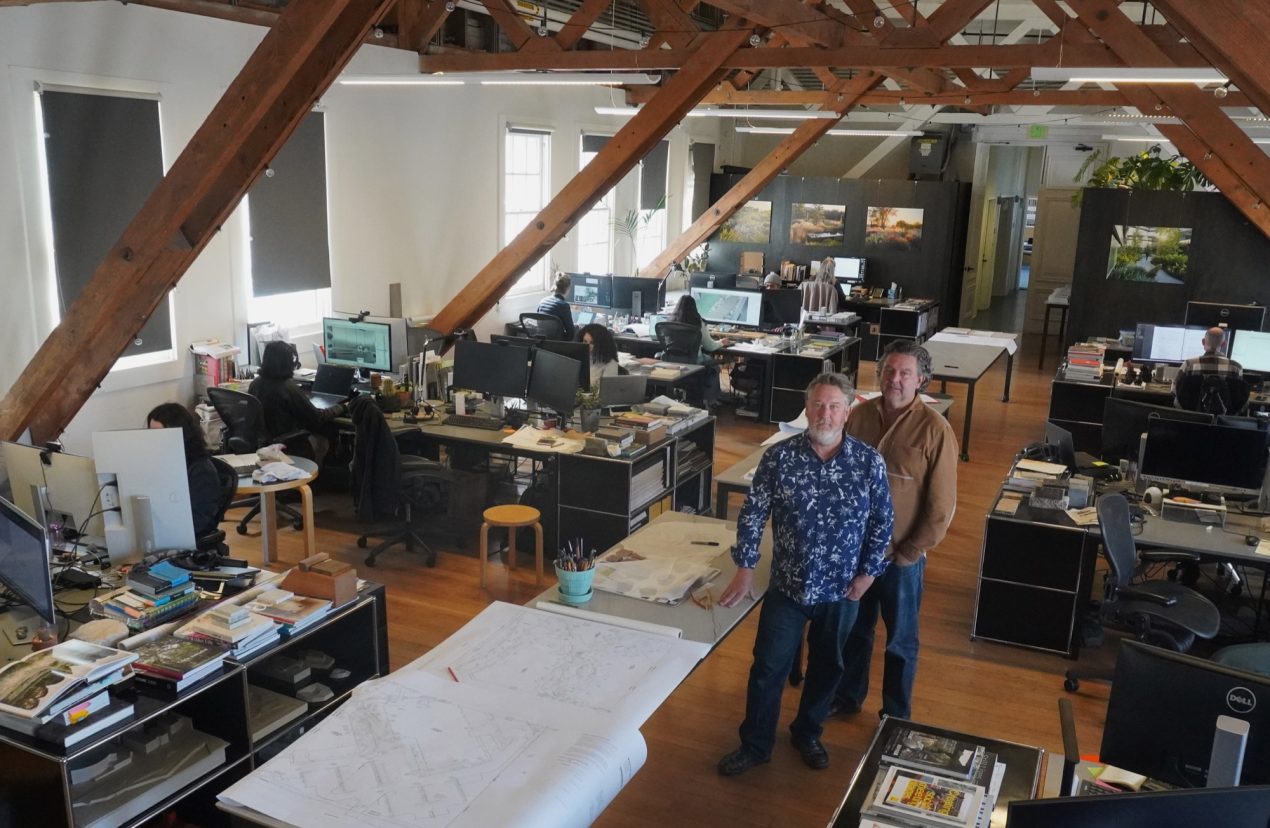
Led by James A. Lord and Roderick Wyllie, Surfacedesign, Inc. is a San Francisco–based landscape architecture and urban design studio known for bold, material-driven work that blends architectural clarity with a sculptural, site-attuned sensibility. From public parks and international airports to intimate gardens and experimental studios, their projects push against the conventions of globalised sameness, […]
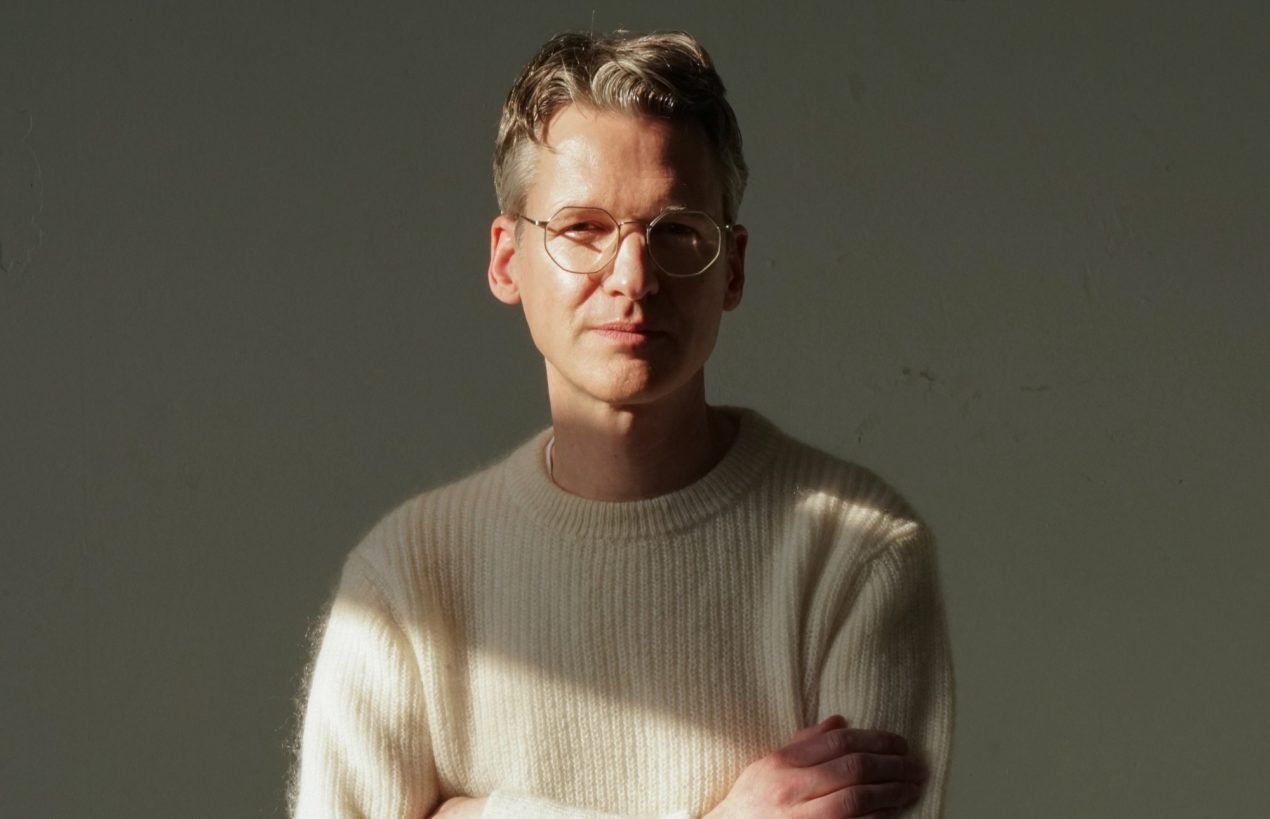
Dr. Anette Freytag is a relentless researcher, moving between academia, activism, and public engagement. She taught at ETH Zurich, the University of Basel, and the Technical University of Innsbruck before joining Rutgers University, where she is the Professor of the History and Theory of Landscape Architecture at the School of Environmental and Biological Sciences. Freytag […]
The volume On the Side of Fire. Rites, approaches and cultivation practices in landscapes is the twenty-first edition in the “Memorie” series by the Fondazione Benetton Studi Ricerche (FBSR), a Treviso-based international centre for landscape studies and research, founded by Luciano Benetton in 1987, focusing on history, geography, natural and cultural heritage. Opening space for […]
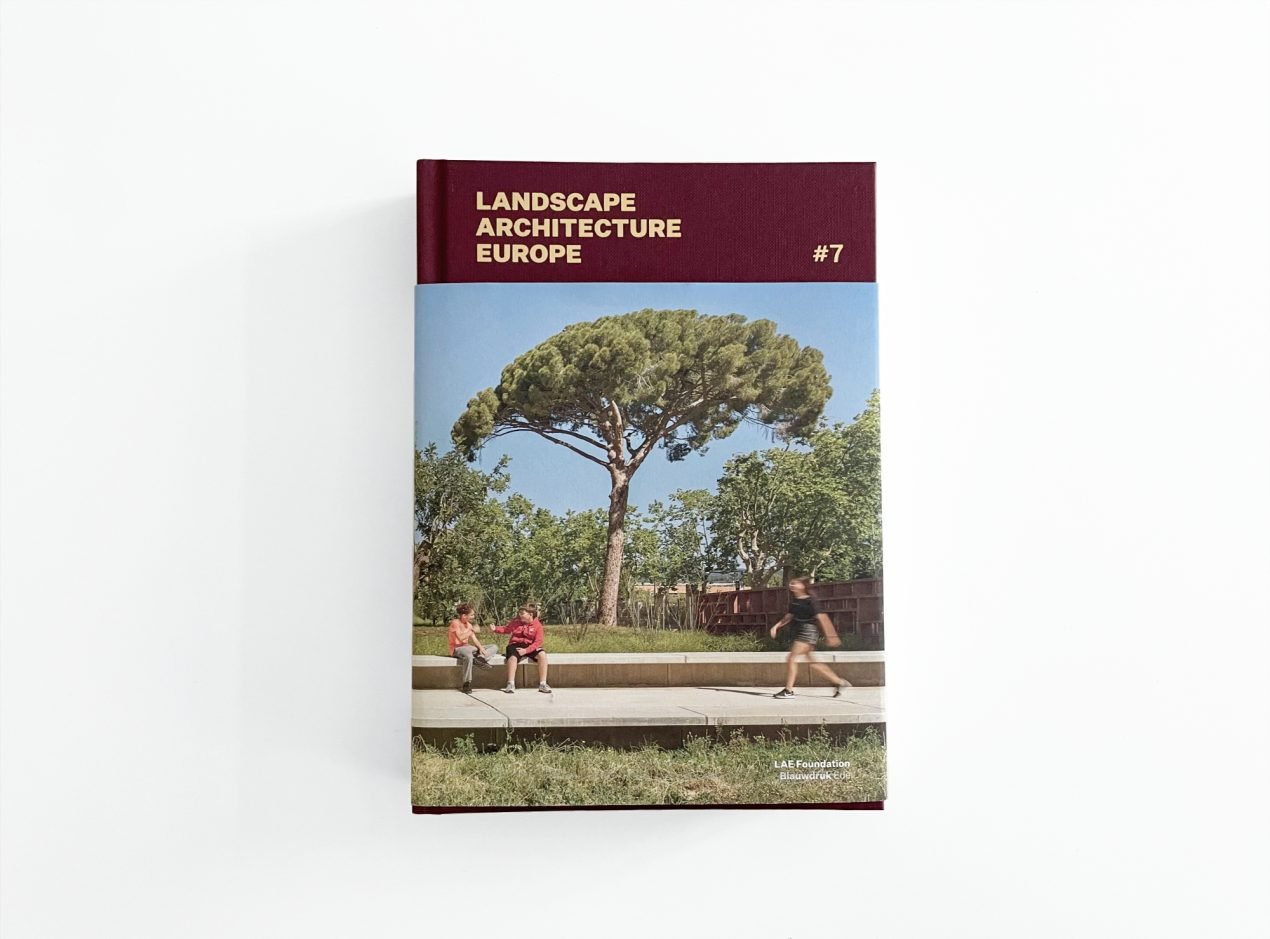
The Landscape Architecture Europe Foundation (LAE) has published the 7th edition of its book series, titled Full of Life. With each issue released triennially, the editorial board delves into high-quality landscape architecture projects, tracing the evolution of this young profession and highlighting the significance of addressing climate and social issues while crafting beautiful spaces. The […]
Despite ambitious sustainability frameworks, current modes of urban waterfront redevelopment tend to reinforce existing or create new socio-spatial divides in the city. Although the projects regard urban water as a public good, it is oftentimes the most privileged groups that get to enjoy the improved environmental amenities and reap their benefits, at the expense of […]
The book, Thinking Through Soil: Wastewater Agriculture in the Mezquital Valley, by Montserrat Bonvehi Rosich and Seth Denizen, came out last week, published by Harvard University Design Press. It is an enormous study, partly conducted through the Thinking Through Soil studio course at the GSD, Department of Landscape Architecture, and with the help of the […]
The first parks open to the public in Western society date back to the late 18th century, with the Englischer Garten in Munich (1789), named by the renowned Friedrich Ludwig von Sckell, followed by Maksimir Park in Zagreb (1794). Birkenhead Park, described as a “People’s Garden” by Olmsted and designed by Joseph Paxton in Liverpool […]
Landscapes of Retreat, a book by Rosetta S. Elkin, is informed by land-based practice, observation, and paying close attention to the multifaceted changes occurring in landscapes and their impact on communities. The second edition of this award-winning book (originally published in 2022), which gained considerable attention within the landscape architecture community, has been released this […]
Soil is a strange soup of minerals, organic matter, gases and liquids, bound to mediate between lower and higher strata. While one can think of soil eating as bizarre, one can also imagine taking minerals in a form of a pill and why one wouldn’t eat forest soil or soils outside polluted areas? It gives […]
TU Berlin presents its new Chair ‘Entwerfen von Landschaften im Anthropozän/ Designing Landscapes in the Anthropocene’, or ÉLAN for short, headed by Prof. Dr. Lisa Diedrich since April 2025. The name says it all: Rather than seeing the Anthropocene as the antechamber to apocalypse, for the detrimental changes wrought by human activities on all things […]
Cobe is on the side of the “progressives” in the profession, working at one of the most urban-eco-technologically progressive centres worldwide, Copenhagen in Denmark. Their merging of cross-disciplinary work into a “meaningful whole”, creating interfaces at different scales of contact, pushing the boundaries of engagement – from the threshold of their office, into the neighbouring […]
As part of the broader philosophical movement of speculative realism, OOO (Object-Oriented Ontology) directly challenges the long-established belief that reality is always determined solely through human perception. Instead, the father of OOO, philosopher Graham Harman, argues that all objects—human and non-human, natural and artificial—exist independently of our subjective conceptualizations. To understand the radical nature and […]
To provide the best experiences, we use technologies like cookies to store and/or access device information. Consenting to these technologies will allow us to process data such as browsing behavior or unique IDs on this site. Not consenting or withdrawing consent, may adversely affect certain features and functions.
Functional
Always active
The technical storage or access is strictly necessary for the legitimate purpose of enabling the use of a specific service explicitly requested by the subscriber or user, or for the sole purpose of carrying out the transmission of a communication over an electronic communications network.
Preferences
The technical storage or access is necessary for the legitimate purpose of storing preferences that are not requested by the subscriber or user.
Statistics
The technical storage or access that is used exclusively for statistical purposes.The technical storage or access that is used exclusively for anonymous statistical purposes. Without a subpoena, voluntary compliance on the part of your Internet Service Provider, or additional records from a third party, information stored or retrieved for this purpose alone cannot usually be used to identify you.
Marketing
The technical storage or access is required to create user profiles to send advertising, or to track the user on a website or across several websites for similar marketing purposes.
To provide the best experiences, we use technologies like cookies to store and/or access device information. Consenting to these technologies will allow us to process data such as browsing behavior or unique IDs on this site. Not consenting or withdrawing consent, may adversely affect certain features and functions.
Functional
Always active
The technical storage or access is strictly necessary for the legitimate purpose of enabling the use of a specific service explicitly requested by the subscriber or user, or for the sole purpose of carrying out the transmission of a communication over an electronic communications network.
Preferences
The technical storage or access is necessary for the legitimate purpose of storing preferences that are not requested by the subscriber or user.
Statistics
The technical storage or access that is used exclusively for statistical purposes.The technical storage or access that is used exclusively for anonymous statistical purposes. Without a subpoena, voluntary compliance on the part of your Internet Service Provider, or additional records from a third party, information stored or retrieved for this purpose alone cannot usually be used to identify you.
Marketing
The technical storage or access is required to create user profiles to send advertising, or to track the user on a website or across several websites for similar marketing purposes.