



Small interventions in public spaces — benches, planters, and playful tools — can turn everyday areas into vibrant hubs where people meet, relax, and connect. Street furniture shapes how a place feels, how long people stay, and whether they return.
Street Furniture as a Catalyst for Connection
Public spaces are where city life unfolds — where people meet, rest, and reconnect. Thoughtfully designed street furniture can make these spaces more welcoming and inclusive.
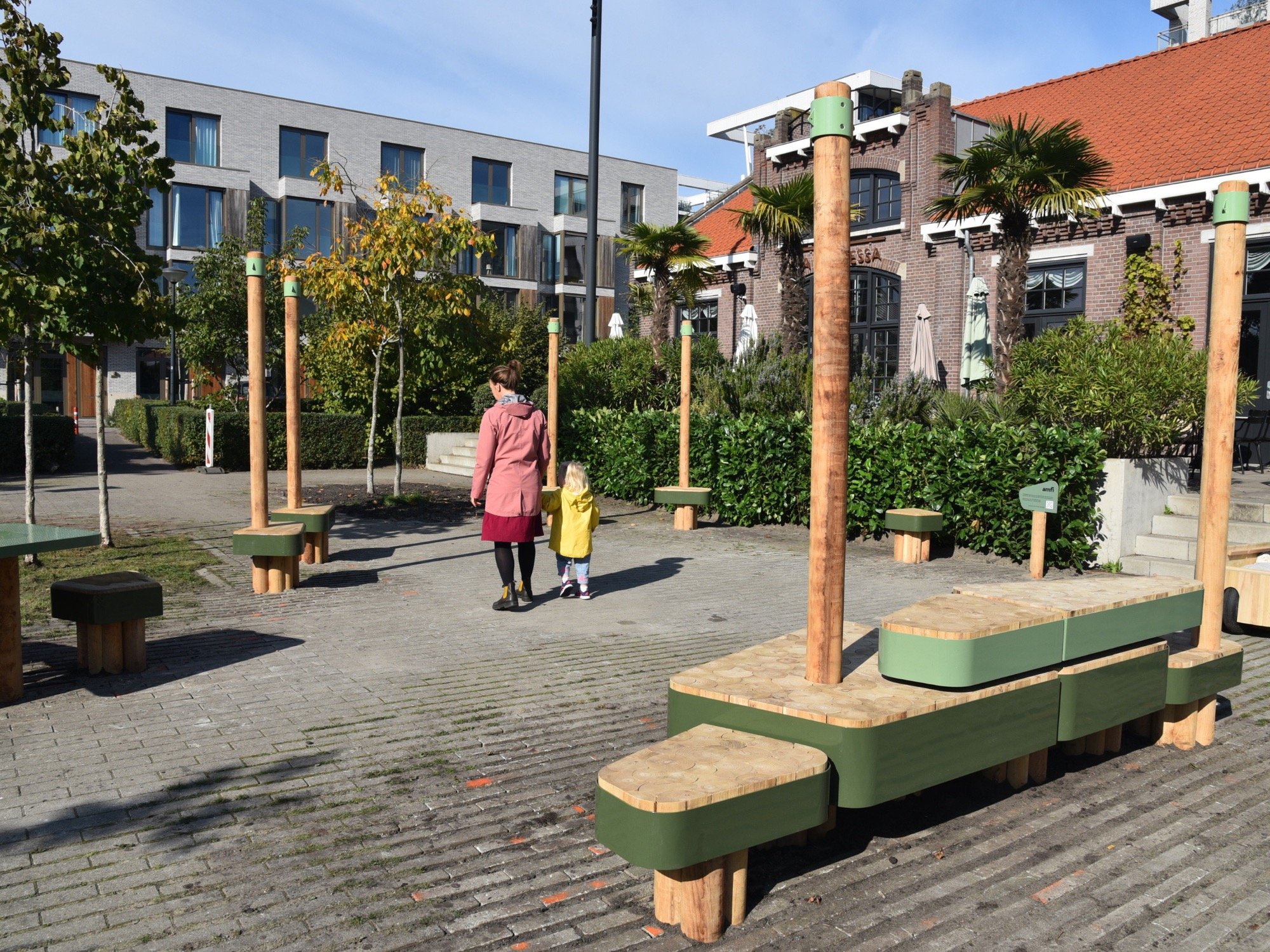
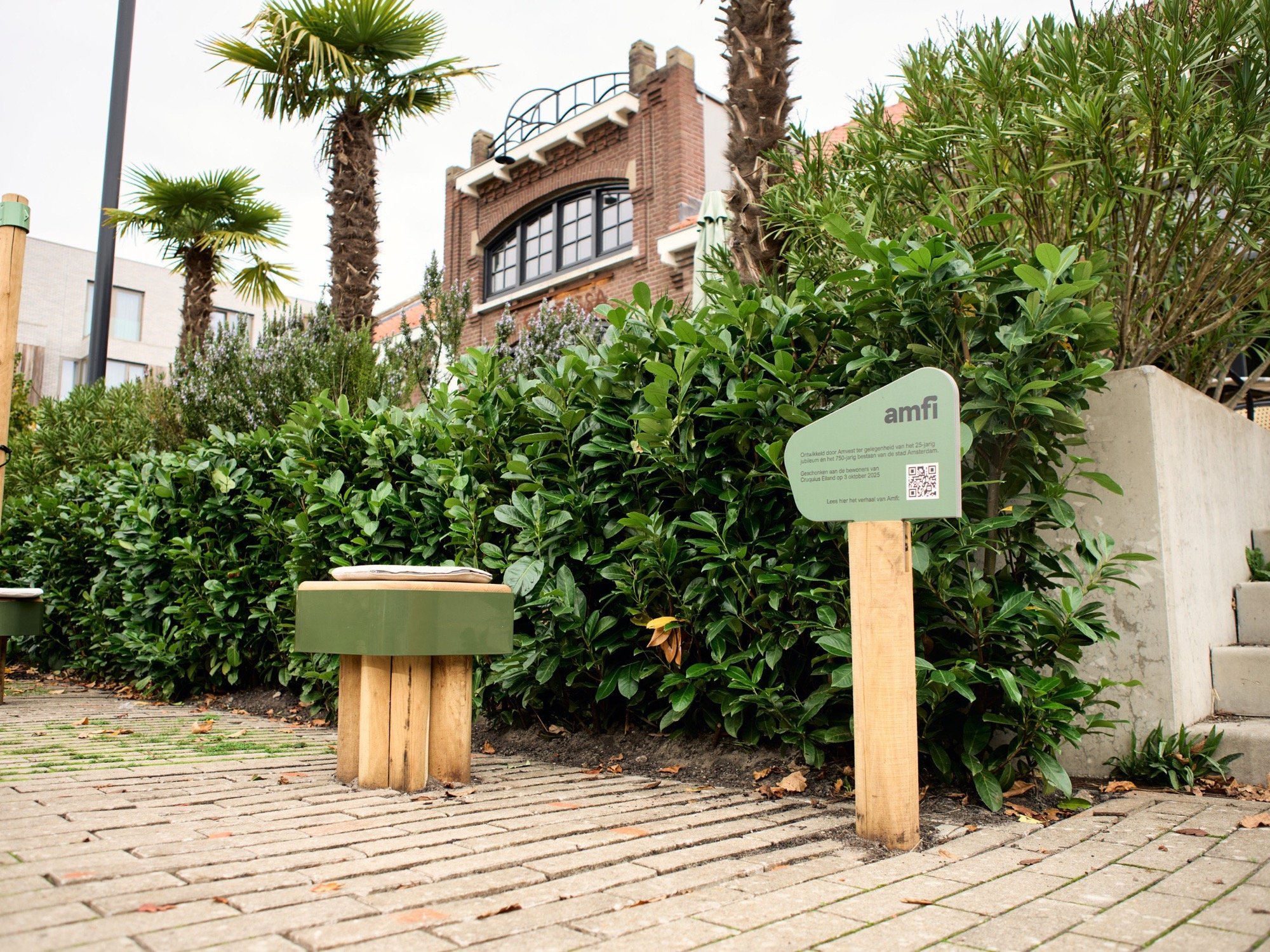
At Grijsen, we see street furniture as a tool for connection — a way to make neighbourhoods more liveable and welcoming. A good example is the project at Cruquius in Amsterdam, commissioned by Amvest. When the residential development was completed, Amvest wanted to give something back to the community. Rather than focusing on buildings alone, the company chose to invest in the shared spaces between them.
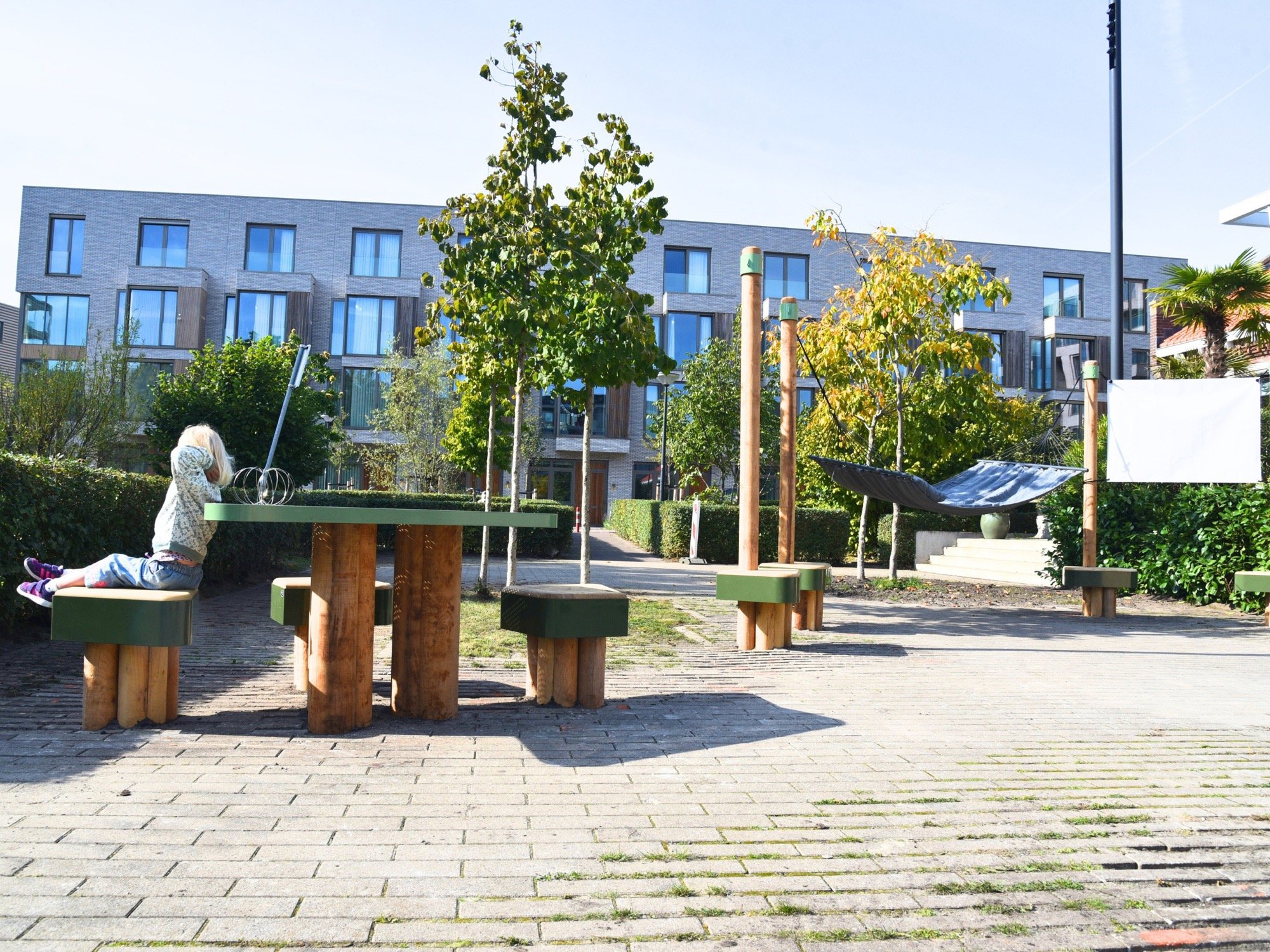
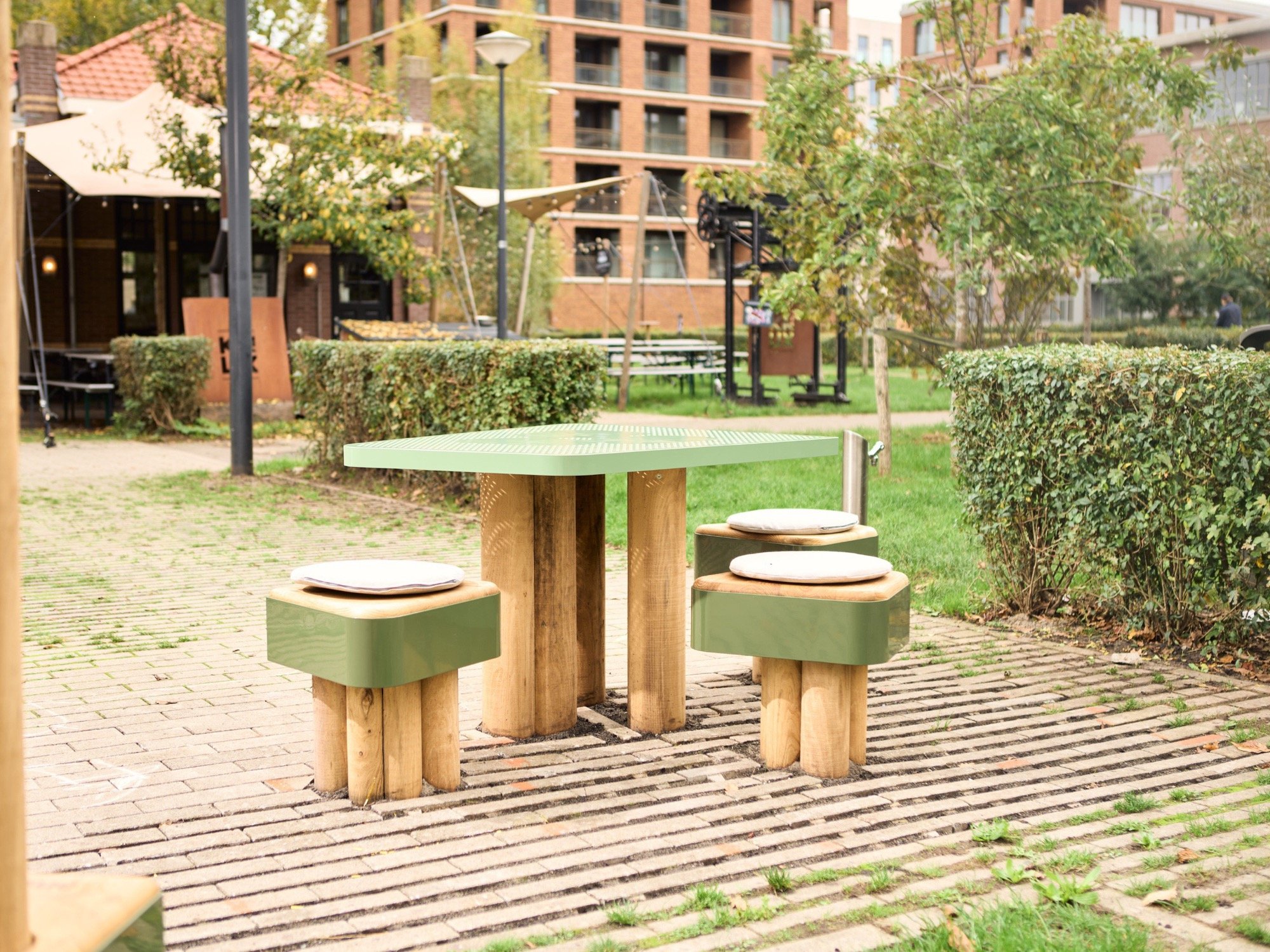
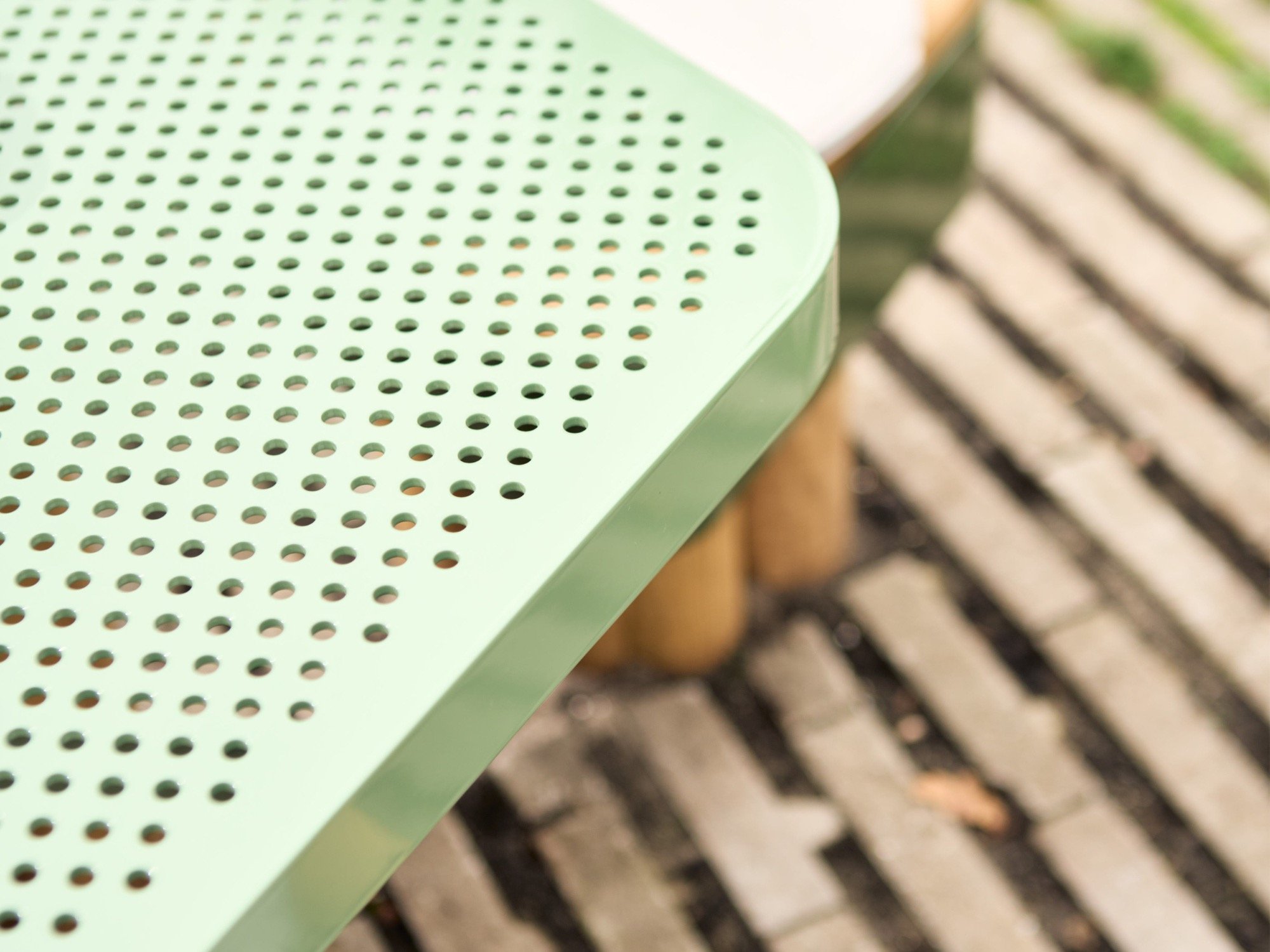
The series of modular street furniture Amfi was designed by Strootman Landschapsarchitecten and realised by Grijsen, creating a space that encourages everyday encounters and strengthens social cohesion. The set of public furniture matches the character of the area — open, comfortable, and inclusive. Each piece was carefully placed to encourage encounters: a place to sit, talk, or simply watch life unfold.
To make Amfi even more engaging, there is a cart filled with practical and playful items. Residents can borrow the cart at the Livinn community centre. With a screen for outdoor movie nights, a volleyball net for spontaneous games, or festive flags for neighbourhood celebrations. This simple idea adds flexibility and joy, turning Amfi into a space that adapts to its community’s imagination.

The result is a space that feels both intentional and spontaneous. What was once a transitional zone now invites people to stay. Children play, residents meet for coffee, and passers-by pause for a moment of rest. In a busy city, such small gestures of hospitality can make a big difference.

This project reflects a broader shift in how we think about public space. It’s not only about function or durability, but about what happens once people start using it. When the design supports everyday life, social connections naturally follow.
Across Europe, we’ve seen how thoughtful details — a comfortable bench, a well-placed table, a shaded corner — can help turn open space into shared space. These moments of comfort and encounter build trust and belonging, one seat at a time.

In the end, street furniture is not the background of urban life — it’s part of the stage where community happens. And when we design with that in mind, we don’t just create places. We create possibilities.