Landscape literacy refers to the ability to interpret and critically engage with landscapes as cultural, ecological, and political texts. It entails reading spatial arrangements, material choices, and symbolic references beyond surface appearance. In design education, landscape literacy cultivates awareness of how landscapes encode histories, ideologies, and exclusions. For publics, it empowers agency to question and contest the spaces they inhabit. Landscape literacy is not passive recognition but an active practice of decoding and re-signifying the environment.
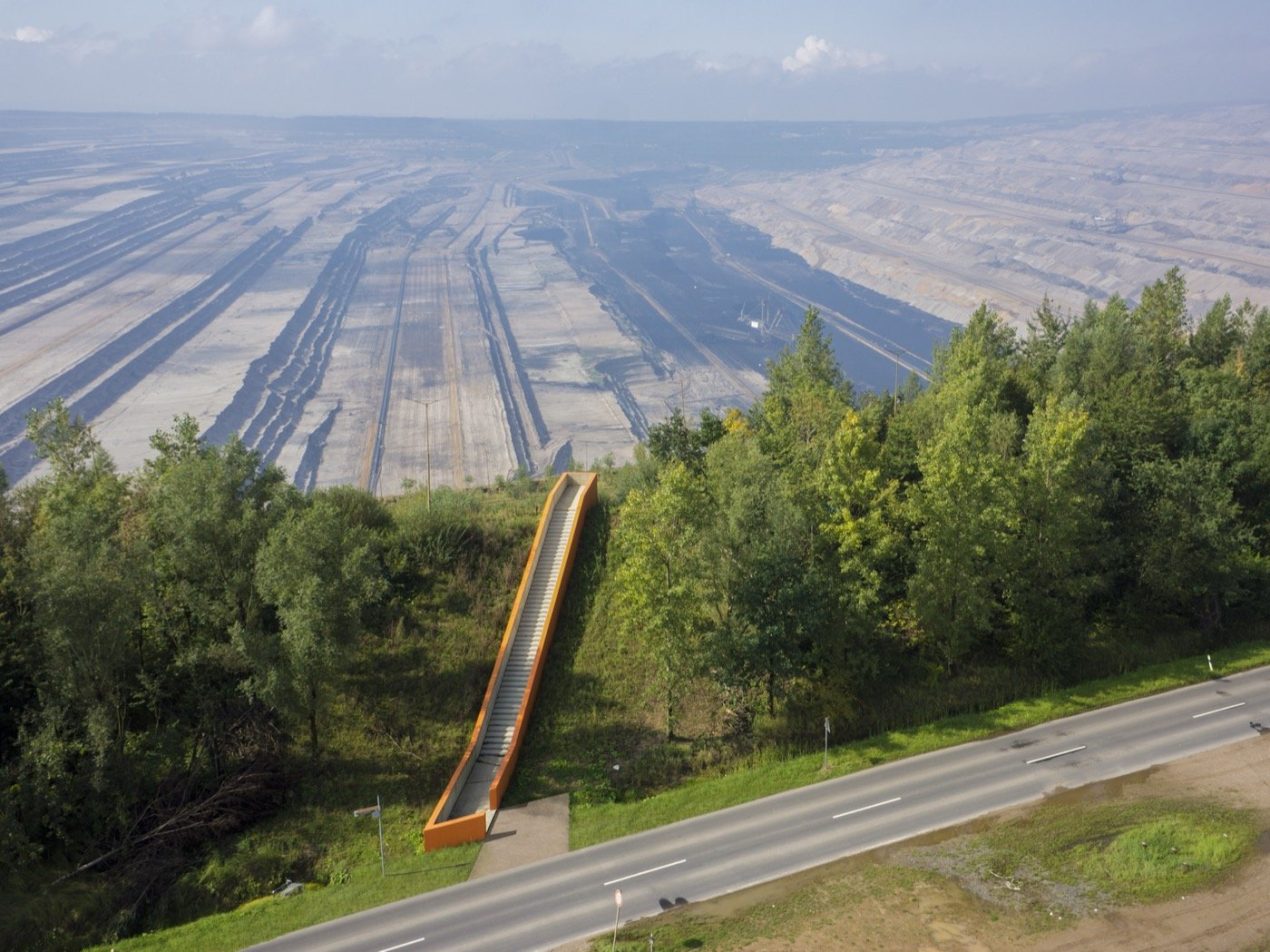
In the article we search for landscape architecture projects that resist the temptation of resigning control or creating spectacle. Environmental stoicism – working with existing conditions proves productive force in design approach.
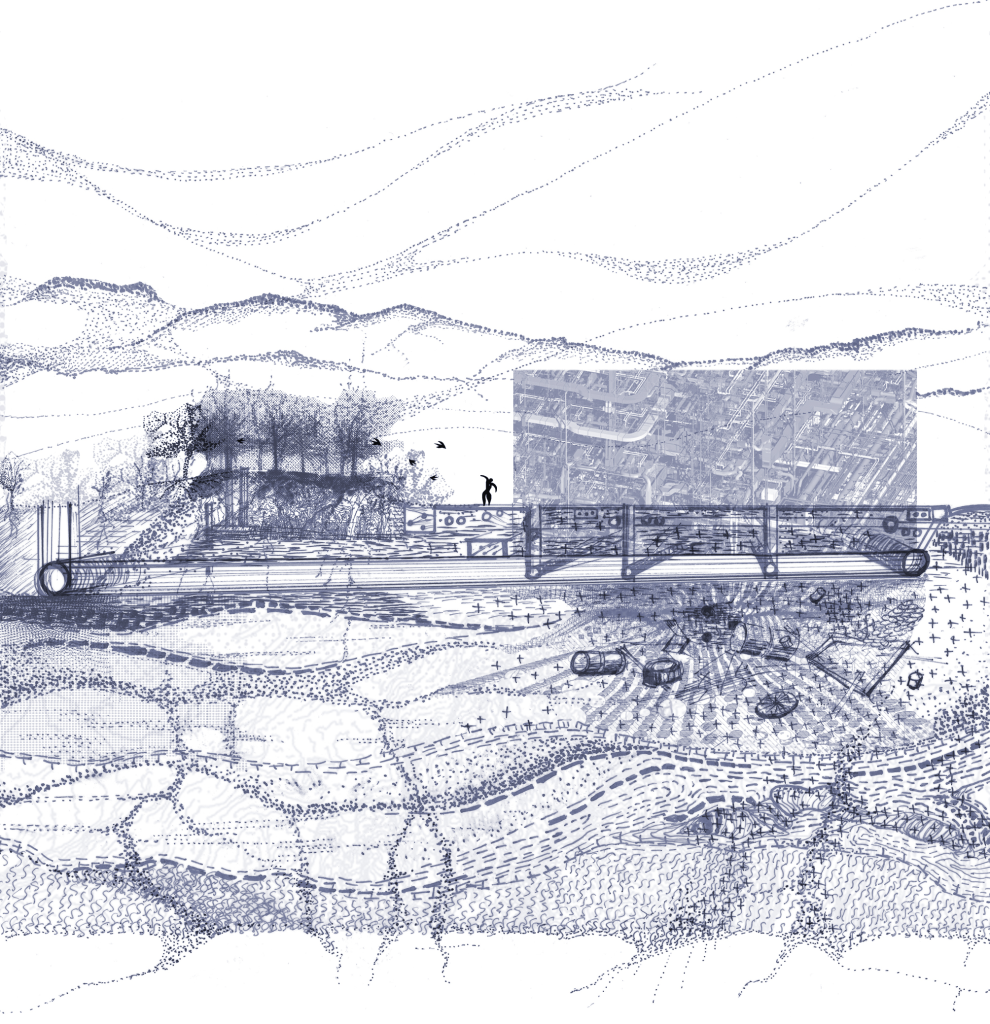
We talk to Chiara Geroldi about how landscape architecture can engage with the growing landscapes of discarded soil, the importance of making material processes legible, and how design can approach material surplus for shaping post-industrial and infrastructural topographies.
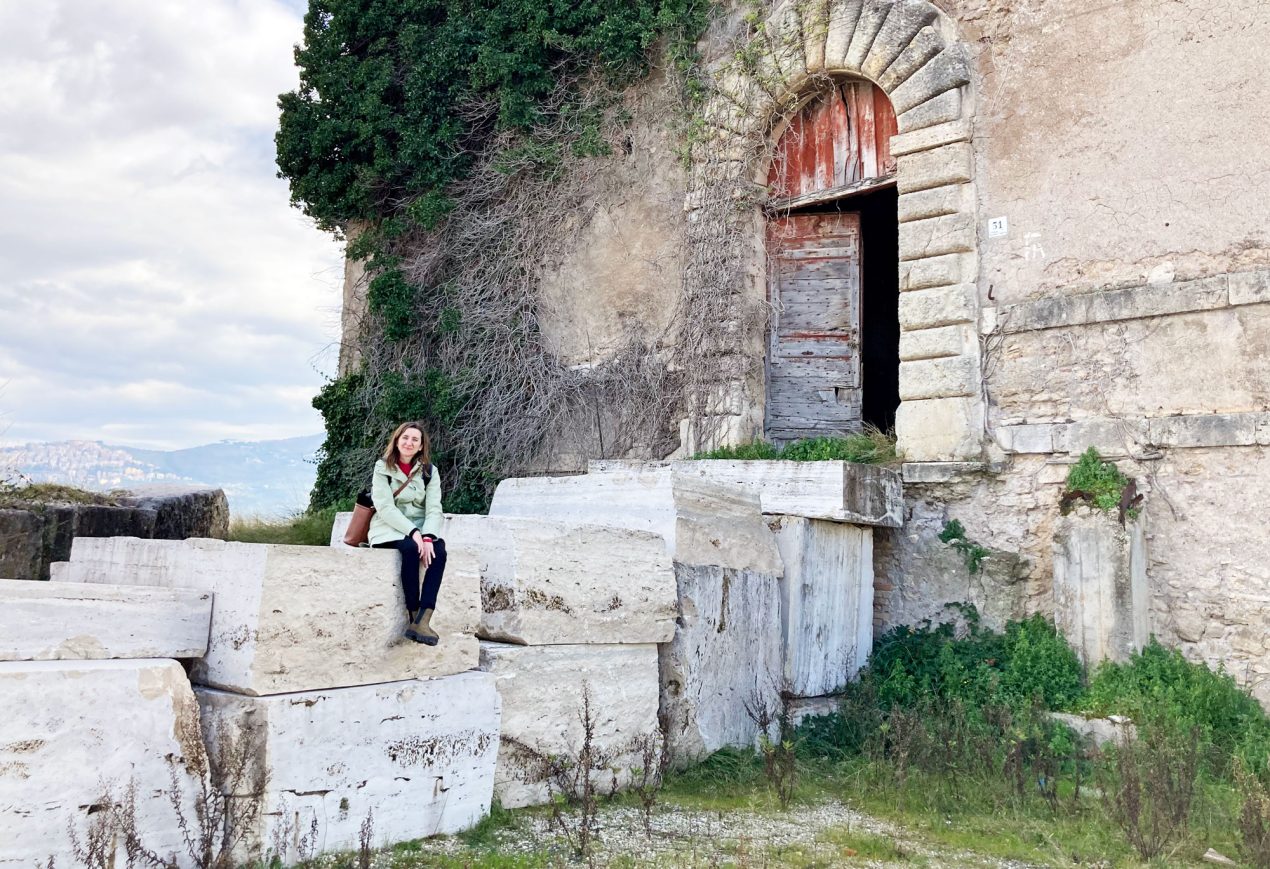
This text examines adaptive reuse not as an ecological strategy, but as a condition of misfit between material persistence and use. It argues that productive surplus emerges when past and present functions remain simultaneously legible, forcing users to negotiate meaning, norms, and use within a low-resolution landscape.
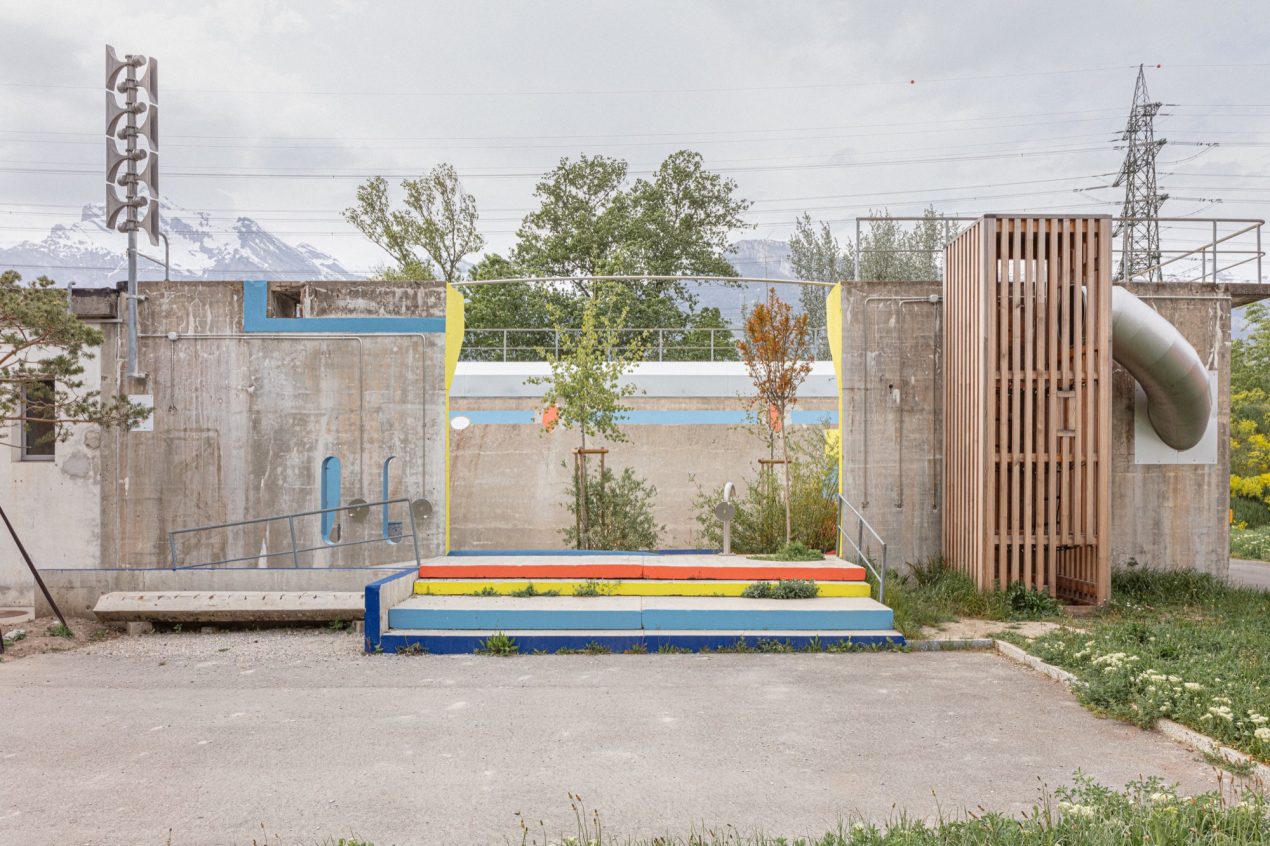
The essay argues that climate collapse pushes ownership into public responsibility and aesthetics into a medium of obligation. Landscape architecture can cultivate perceptual resilience, an ethics of design attuned to disorder, shared accountability, and the mutable nature of life.
As we celebrate the 25th anniversary of what was formerly called ‘the European Landscape Convention’ spare a thought for upcoming generations: Generation Z and especially Generation Alpha are having a difficult time. They are stuck between a rock and a hard place, between the perils of the real world and the dangers of life in […]
What do we actually know about the ground on which we stand, and how does it relate to our landscape projects Interventions on the surface of the landscape affect the underground as much as they are conditioned by it. Many processes pass through the grade of the ground, relating to water, energy, ecology and vegetation, with trees bridging above- and below grade. Organic matter is created in the ground, carbon is captured and stored there, and it is the habitat of various species. If we, as landscape architects, aim to incorporate ecology and hydrology into project development, the design phase must incorporate a thinking of above- and below grade as one.
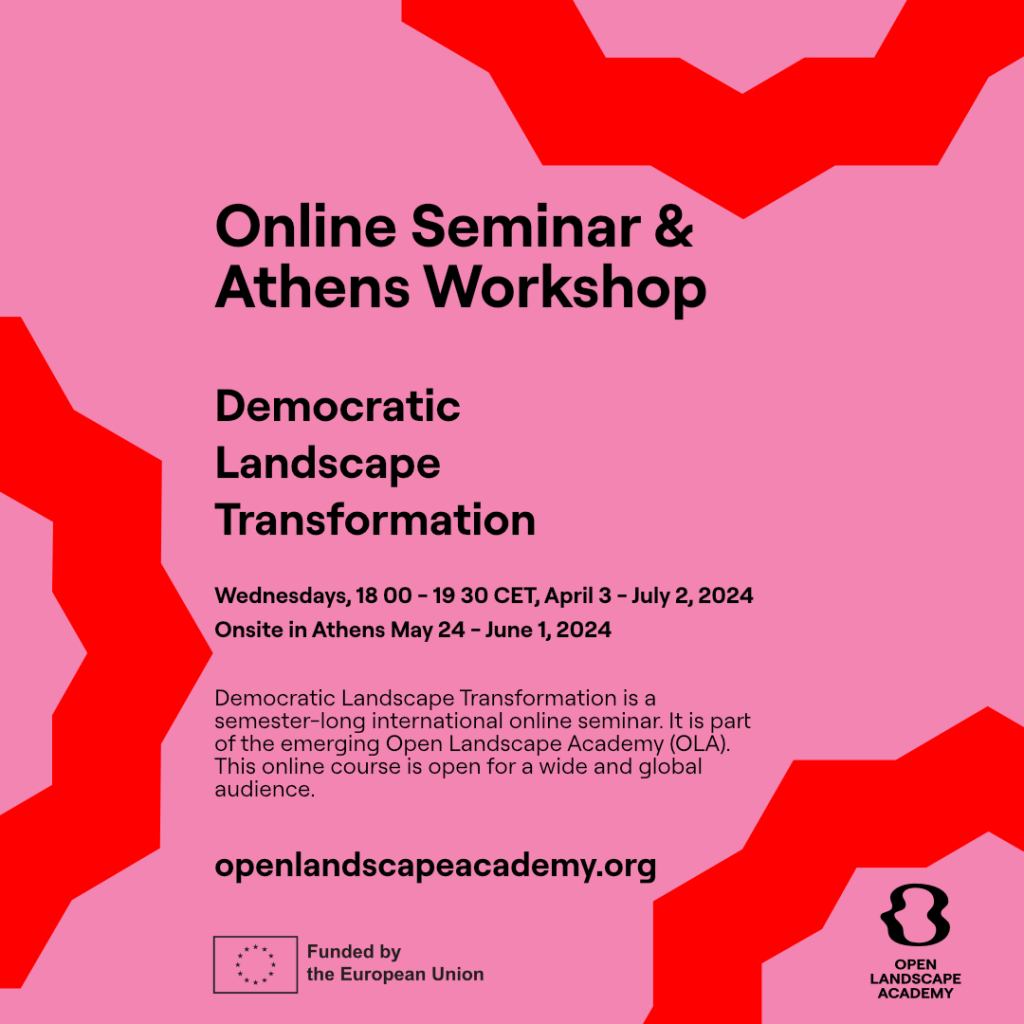
Open Landscape Academy invites you to join an online seminar from April 3 to June 2 on Democratic Landscape Transformation. The seminar focuses on building a prototype collaborative model that “engages academic and local knowledge, professionalism and creativity, giving privilege to the perspectives of the historically underserved communities who have not had access to landscape […]
Günther Vogt probably needs no introduction in our profession; he has been an important practitioner for a couple of decades now, appreciated globally for his rich, non-linear and adventurous design approach. Initially, his education was more in the direction of botany. He later shifted to landscape architecture by studying in Rapperswil, Switzerland. After his study […]
The production of landscape architecture projects has been in recent years outstanding, and our entire professional community has much to be proud of. But as always, there is a flip side; like in architecture or any design discipline of the globalised and speeding-up world, we are faced with a sea of sameness. Too many buildings […]
Urban biodiversity? Yes, please! Nevertheless … … Due to the transitional phase of our understanding of nature in the light of the Anthropocene, there are still some important notions, contradictions and misunderstandings that need to be addressed. To do so, we will operate with terms like nature, ecology, biodiversity, landscape, and aesthetics, and we’ll focus […]
Klaske Havik is associate professor of Architecture, Methods&Analysis at Delft University of Technology. She has developed a distinct research approach relating questions about the use, experience and imagination of place, to literary language. Her book Urban Literacy. Reading and Writing Architecture (2014) proposes a literary approach to architecture, landscape and urbanism, introducing the three notions […]
To provide the best experiences, we use technologies like cookies to store and/or access device information. Consenting to these technologies will allow us to process data such as browsing behavior or unique IDs on this site. Not consenting or withdrawing consent, may adversely affect certain features and functions.
Functional
Always active
The technical storage or access is strictly necessary for the legitimate purpose of enabling the use of a specific service explicitly requested by the subscriber or user, or for the sole purpose of carrying out the transmission of a communication over an electronic communications network.
Preferences
The technical storage or access is necessary for the legitimate purpose of storing preferences that are not requested by the subscriber or user.
Statistics
The technical storage or access that is used exclusively for statistical purposes.The technical storage or access that is used exclusively for anonymous statistical purposes. Without a subpoena, voluntary compliance on the part of your Internet Service Provider, or additional records from a third party, information stored or retrieved for this purpose alone cannot usually be used to identify you.
Marketing
The technical storage or access is required to create user profiles to send advertising, or to track the user on a website or across several websites for similar marketing purposes.
To provide the best experiences, we use technologies like cookies to store and/or access device information. Consenting to these technologies will allow us to process data such as browsing behavior or unique IDs on this site. Not consenting or withdrawing consent, may adversely affect certain features and functions.
Functional
Always active
The technical storage or access is strictly necessary for the legitimate purpose of enabling the use of a specific service explicitly requested by the subscriber or user, or for the sole purpose of carrying out the transmission of a communication over an electronic communications network.
Preferences
The technical storage or access is necessary for the legitimate purpose of storing preferences that are not requested by the subscriber or user.
Statistics
The technical storage or access that is used exclusively for statistical purposes.The technical storage or access that is used exclusively for anonymous statistical purposes. Without a subpoena, voluntary compliance on the part of your Internet Service Provider, or additional records from a third party, information stored or retrieved for this purpose alone cannot usually be used to identify you.
Marketing
The technical storage or access is required to create user profiles to send advertising, or to track the user on a website or across several websites for similar marketing purposes.